
The relationship between tattoos and salvation troubles many believers. Can people with tattoos go to heaven? Absolutely. Having ink on your body does not disqualify you from God’s grace.
Salvation comes through accepting Jesus Christ as Lord and Savior. Scripture emphasizes faith and repentance — not the absence of tattoos. God looks at your heart, not your skin.

While some may think tattoos could be viewed as disrespectful or worldly, many sources affirm that these choices do not determine a person’s place in the afterlife.
Instead, it is the heart and intention behind one’s life that holds true significance. Understanding these perspectives opens up a dialogue about faith, personal expression, and forgiveness.
By exploring the biblical teachings and interpretations surrounding tattoos, individuals can gain deeper insights into this topic.
A thoughtful examination may lead to a greater appreciation for both the diverse expressions of faith and the unconditional love that many believe God offers to all.
Biblical References and Interpretations
The Bible contains various references to tattoos and body modifications, especially in the context of religious and cultural practices. Understanding these references requires examining both the Old and New Testament perspectives.
Old Testament Perspectives
In the Old Testament, tattoos are most notably mentioned in Leviticus 19:28, which states, “Do not cut your bodies for the dead or put tattoo marks on yourselves. I am the Lord.”
This command is part of broader laws aimed at distinguishing the Israelites from surrounding nations.
The historical context of this verse is important. Ancient cultures often practiced tattooing as part of mourning rituals or pagan worship. God’s prohibition was meant to guide His people toward holiness and away from practices that could lead them astray.
While some interpret this verse as an absolute ban on tattoos today, others argue that it was specific to the cultural practices of that time. Thus, it raises questions about how these ancient laws apply in modern society.
New Testament Insights
The New Testament offers a different perspective on bodily sanctity. In 1 Corinthians 6:19-20, it states, “Do you not know that your bodies are temples of the Holy Spirit, who is in you?”
This verse highlights the importance of treating one’s body with respect.
This idea shifts the focus from external appearances to internal faith and purity. Many Christians believe that what really matters is not the presence of tattoos but the state of one’s heart and relationship with God.
Some modern interpretations suggest that as long as a tattoo does not promote sin or negatively affect one’s testimony, it may not be a significant issue in one’s faith journey.
The emphasis remains on living according to Christ’s teachings rather than adhering strictly to Old Testament laws.
Theology of the Body and Tattoos
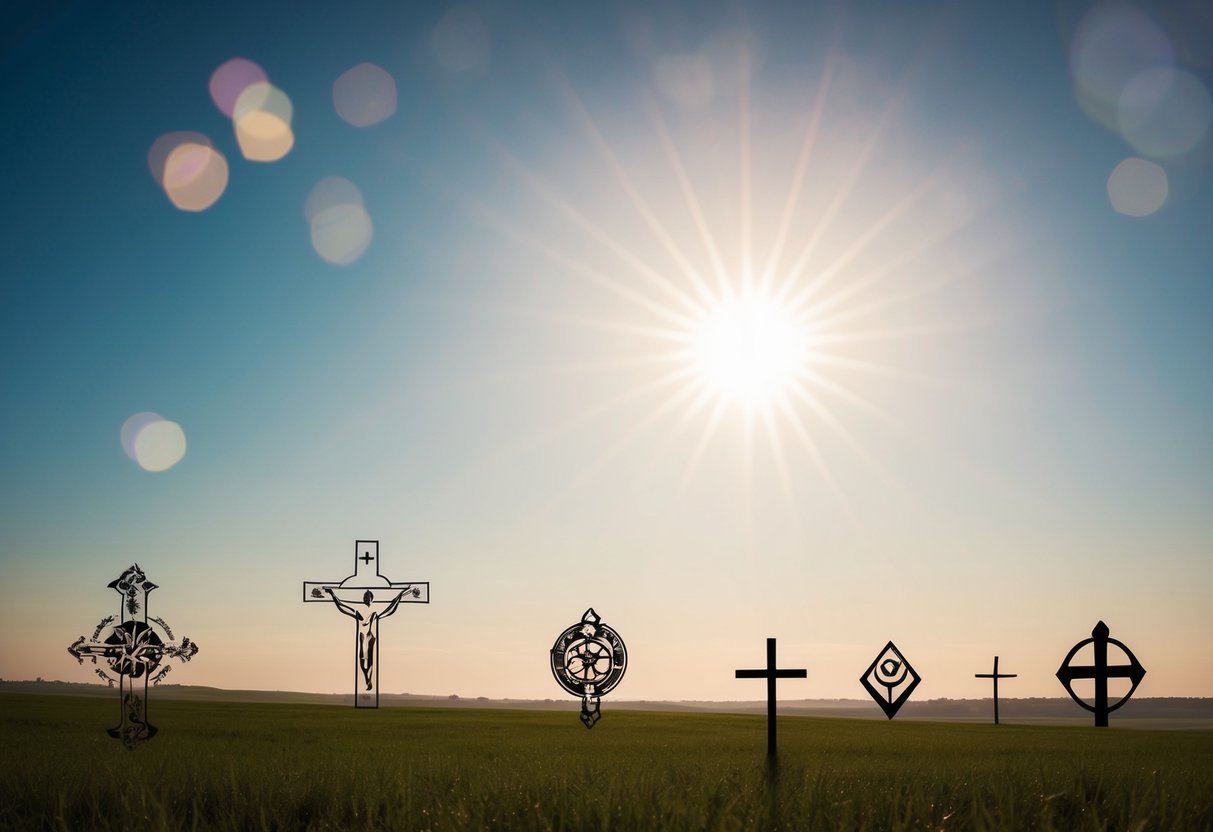
The concept of the body as sacred plays a significant role in discussions about tattoos within Christianity. Highlighting the holiness of the body and the spiritual meanings behind body art can provide insight into this topic.
Body as a Temple
In Christian theology, the body is often viewed as a temple of the Holy Spirit. This is rooted in scriptures like 1 Corinthians 6:19-20, which state that believers should honor God with their bodies.
Because the Holy Spirit resides in each believer, it emphasizes the importance of how one treats their body.
Tattoos can be seen as personal expressions of faith when they reflect values or beliefs. If a tattoo is meaningful or honoring to God, it can enhance one’s spiritual journey.
However, care must be taken to ensure that the tattoo does not contradict the idea of the body being a sacred space.
Spiritual Significance of Tattoos
Tattoos often carry deep personal significance. They can symbolize commitment to faith or serve as reminders of one’s spiritual journey. For some, ink is a way to express their relationship with Jesus or others they honor.
While some may view tattoos as negative, many Christians argue that self-expression through tattoos can be an act of love or dedication.
As long as the tattoo reflects positive intentions and values, it does not detract from the holiness of the body. It can, in fact, serve to strengthen one’s faith.
Christian Views on Tattoos and Salvation

Many Christians explore the connection between tattoos and salvation within their faith. The discussion often focuses on God’s grace and redemption, along with the motives behind getting tattoos. This leads to questions about honoring God with personal choices within a cultural context.
Grace and Redemption
In Christianity, salvation comes through faith in Jesus Christ. Many believers affirm that tattoos do not determine one’s eternal destiny.
Instead, they emphasize God’s grace and the concept of redemption. Repentance and faith are seen as central to salvation.
Tattoos may raise questions about one’s relationship with God, but motives matter more. If someone gets a tattoo with sincere intentions, it reflects their personal faith journey.
The focus remains on inner faith rather than outward appearances.
Honoring God with Our Choices
The choice to get a tattoo can reflect one’s values and beliefs. For many Christians, it is essential to honor God in every aspect of life, including personal expressions like tattoos.
This includes considering how such choices align with their faith and how they may represent important aspects of worship.
In some cultures, tattoos can carry significant meaning. They may represent faith, love, or personal milestones. Many Christians believe that as long as the tattoo aligns with Christian values and the gospel message, it can be an expression of faith.
The key is ensuring that motives behind tattooing are rooted in a desire to glorify God.
Societal and Cultural Considerations
Tattoos often provoke deep discussions about faith and identity. Societal and cultural views can heavily influence beliefs about whether having a tattoo affects one’s spiritual standing.
Religious Practices and Worldviews
Different religions interpret tattoos in various ways. In Christianity, some followers refer to passages in the Bible, such as Leviticus 19:28, where marking the body is discouraged. This can create a perception that tattoos are sinful.
However, many Christians focus more on personal faith than outward appearances. The idea is that a person’s heart and actions matter more than their physical form.
In many congregations, tattoos are becoming more accepted as symbols of personal stories and faith journeys.
Similarly, other religions have distinct views. For example, in some Indigenous cultures, tattoos carry significant spiritual meaning and represent identity. This highlights how context and belief systems shape attitudes toward tattoos.
Tattooing as Cultural Expression
Tattooing serves as a vital form of cultural expression across the globe. Many cultures utilize tattoos to signify important life events, tribal affiliations, or rites of passage.
For example, Polynesian tattoos often embody cultural heritage and storytelling.
In contemporary society, tattoos can also reflect individual personality and style. This shift has changed perceptions of tattoos from being solely associated with rebellion to being embraced as art.
For many, tattoos mark personal milestones, memories, or commitments, such as love or faith.
Consequently, societal acceptance is growing. Some see tattoos as a modern form of self-expression, while others still hold traditional views. This blend of perspectives shows how diverse and complex the conversation about tattoos truly is.
Living as Christians in Modern Society
In today’s world, Christians navigate a variety of challenges that test their faith and values. This includes balancing personal beliefs with public opinions and making decisions that reflect their spiritual convictions.

Personal Faith and Public Perception
Modern society often holds mixed views about Christianity, including beliefs about tattoos. For some, tattoos may represent personal experiences or important messages.
Many Christians express their faith through tattoo art that symbolizes their beliefs.
When Christians choose to display their faith visibly, they must consider how it affects public perception. Some people may admire their boldness while others might judge their choices.
Therefore, maintaining a balance between personal expression and societal expectations is crucial for peace of mind.
Christian Conduct and Personal Decisions
Christians are called to live by their beliefs, which can include how they express themselves through tattoos.
The spiritual significance of tattoos varies among individuals. Some view them as a form of honoring their journey, while others see them as contradicting their faith.
In making personal decisions, it is important for Christians to reflect on how their choices align with their values.
Regular prayer can help in seeking guidance and peace when navigating these choices.
Upholding Christian conduct means being respectful to others while firmly holding onto one’s beliefs about self-expression.
