
Moses is one of the most important figures in the Bible, renowned for leading the Israelites out of Egypt and guiding them toward the Promised Land. After his death at the age of 120, questions arose about his eternal destiny.
Many believers have wondered: did Moses go to heaven? This question has sparked theological discussions for centuries, as Scripture offers intriguing clues about what happened to this great prophet after his earthly life ended.
Many biblical passages suggest that Moses did indeed enter heaven, especially highlighted by his appearance during the Transfiguration alongside Jesus.
This remarkable event, recorded in the Gospels, shows Moses appearing in glory with Christ, providing compelling evidence of his heavenly presence and divine reward for his faithful service.
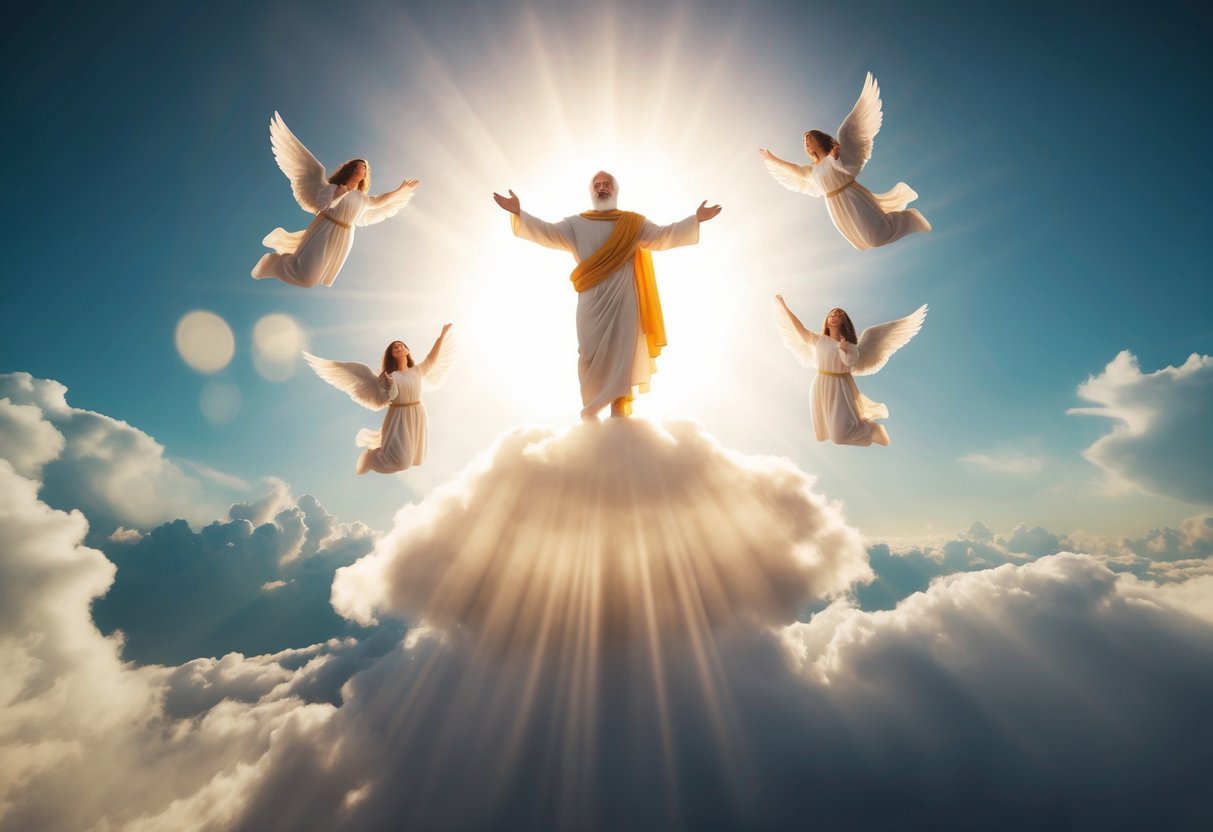
The mysteries surrounding Moses’ death add to the intrigue. The Bible mentions that God Himself buried Moses in an unknown location, sparking debates about the significance of this and what it means for his afterlife.
Various interpretations and teachings have emerged over the years, leading to a rich exploration of his legacy and final fate.
Understanding what happened to Moses after his death provides insight into his life and the broader themes of faith and obedience in the Bible.
Readers will discover how Moses’ journey reflects on the importance of trust in God’s promises and the nature of divine mercy.
The Life and Leadership of Moses
Moses played a crucial role in the history of the Israelites, transforming from an Egyptian slave to a revered lawgiver. His leadership was marked by significant encounters with God and critical confrontations with Pharaoh.
From Slavery in Egypt to Lawgiver
Moses was born during a time when the Israelites were enslaved in Egypt. His early life was marked by danger, as Pharaoh ordered the death of all Hebrew male infants. However, he was saved by being placed in a basket on the Nile River, eventually adopted by Pharaoh’s daughter.
As he grew up, Moses witnessed the harsh treatment of his people. After killing an Egyptian who was beating a Hebrew, he fled to Midian to escape punishment. There he became a shepherd.
God called Moses from a burning bush, appointing him as a leader to free the Israelites from bondage. He returned to Egypt, standing before Pharaoh multiple times, demanding the release of his people.
His journey from a fugitive to a lawgiver was pivotal in shaping his leadership.
Encounters With God and Pharaoh
Moses’ encounters with God began at the burning bush, where he received divine instructions to lead the Israelites. This marked a change in his life and purpose.
God performed miracles through Moses to convince Pharaoh of his power, including turning water into blood and bringing plagues upon Egypt.
Pharaoh repeatedly refused to free the Israelites, leading to more severe plagues. Each encounter tested Moses’ faith and resolve.
Despite the suffering, Moses remained steadfast, relying on God’s guidance to lead his people.
The final plague, which resulted in the death of the firstborn in Egypt, compelled Pharaoh to relent. Moses led the Israelites out of Egypt, setting off a journey towards freedom that would define their history.
The Giving of the Ten Commandments
After the Exodus, Moses led the Israelites to Mount Sinai, where he received the Ten Commandments. These commandments served as foundational laws for the Israelite community, establishing guidelines for ethical behavior and worship.
God spoke to Moses, giving him instructions that included duties towards God and fellow humans. The commandments addressed issues like honoring parents, not stealing, and not bearing false witness.
This event was significant as it marked the establishment of a covenant between God and the Israelites. Moses acted as the mediator, conveying God’s laws to the people.
The Ten Commandments became central to Jewish law and influenced moral codes throughout history.
Through these moments, Moses’ leadership was characterized by his commitment to serve God and guide his people toward righteousness.
Moses’ Death and Legacy
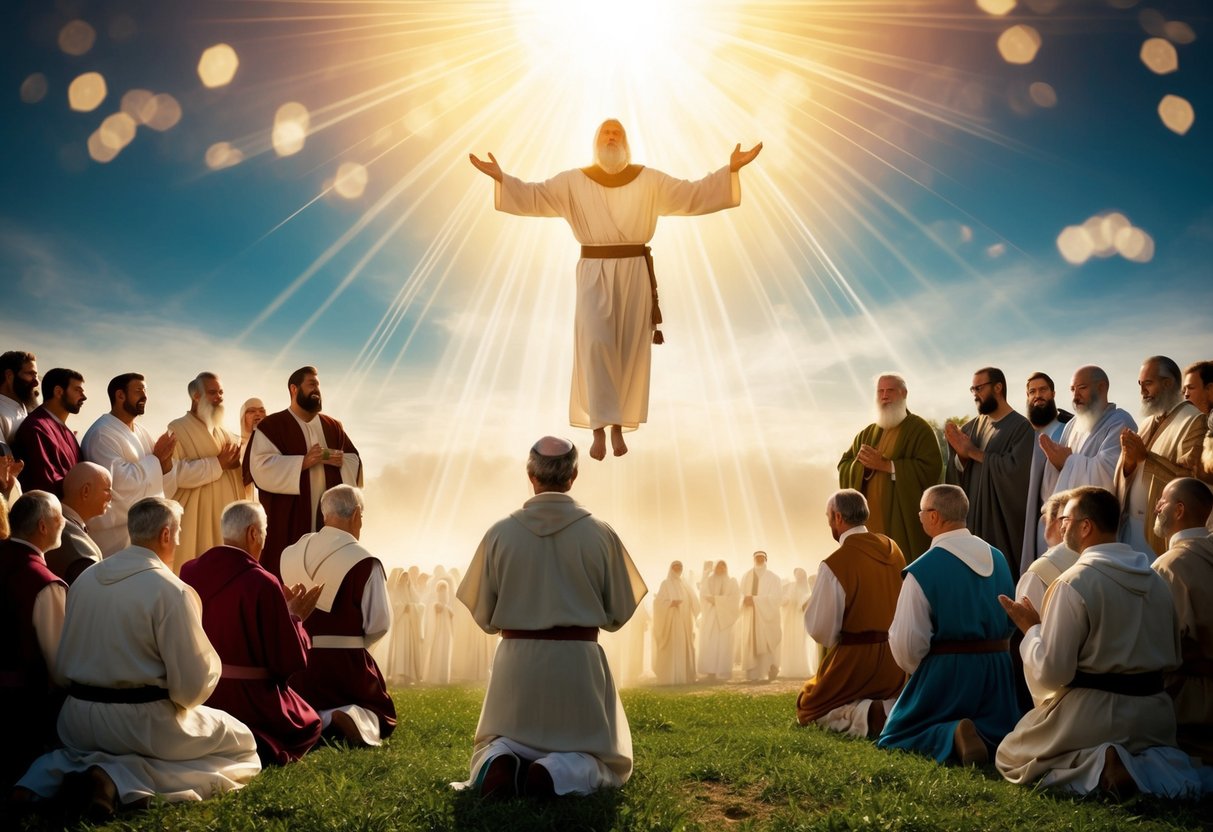
Moses’ death marked the end of a significant era for the Hebrew nation. He led them out of slavery in Egypt and towards the Promised Land. His final moments are steeped in meaning, reflecting his faith and the impact he had on the people.
Moses’ Final Days and Death on Mount Nebo
Moses spent his last days on Mount Nebo, a pivotal location where he viewed the Promised Land. According to Deuteronomy 34, God allowed him to see the land he would never enter due to his earlier disobedience.
Moses died at the age of 120, described as having perfect eyesight and strength. This account emphasizes his unique relationship with God. His final words and actions left a lasting impression on the Israelites, reinforcing his role as a leader and prophet.
The Burial of Moses and the Archangel Michael
The Bible provides little information about Moses’ burial. Deuteronomy 34:5-6 states that God Himself buried Moses in a valley in Moab, and his grave remains unknown.
An intriguing addition to the narrative involves the Archangel Michael. In Jude 1:9, Michael disputes with the devil over Moses’ body. This event suggests that Moses held a special status in the afterlife, raising questions about his eternal fate and significance.
Moses’ Impact on Hebrew Nation and Eternal Life
Moses left an enduring legacy for the Hebrew nation. He is best known for receiving the Ten Commandments on Mount Sinai, which became central to their laws and ethics.
His teachings laid the foundation for a covenant relationship between God and the Israelites. The ideals of justice and morality that Moses instilled continue to influence religious thought and practice.
Moses’ story resonates with themes of faith and the hope for eternal life, adding to his significance in religious traditions. His life serves as an example of leadership, obedience, and commitment to God’s purpose.
Scriptural Insights on Moses’ Final Destination

The question of Moses’ final destination raises important insights from scripture. Key references in the Bible provide vital information about his death, burial, and what may have happened afterward.
Passages in Deuteronomy and Jude
Deuteronomy 34 gives a detailed account of Moses’ death. It states that he died in the land of Moab, and God Himself buried him in a valley. This burial site remains undisclosed, adding to the mystery of his fate.
The absence of a known grave may imply that Moses’ body was preserved for a special purpose.
Jude 9 introduces another important detail, mentioning a dispute between the archangel Michael and the devil over Moses’ body. This unusual encounter suggests a unique status for Moses, raising questions about the nature of his afterlife. While the passage does not definitively state that Moses went to heaven, it indicates spiritual significance.
The Significance of Moses’ Undisclosed Burial Site
Moses’ undisclosed burial site can lead to various interpretations. Some believe it reflects God’s protection over him, indicating that his life and service were honored in death. Others speculate that it symbolizes a transition to another state of existence rather than a final resting place on Earth.
Since no physical location can be identified, the absence of a grave may signify that Moses’ journey did not end like others. Instead, it may suggest that he was taken to a different realm, aligning with beliefs about his potential presence in heaven.
Comparative Analysis of Sheol and Heaven
In biblical context, Sheol is often described as the place of the dead. It signifies a separation from the living but varies in interpretation among different traditions.
In contrast, Heaven is viewed as a paradise where the faithful are rewarded.
Moses’ journey is intriguing because some passages might suggest he experienced a unique situation. After all, he was a significant figure chosen by God.
While specific scriptures do not provide a clear image of where Moses went, the combination of these ideas leaves open the possibility that he may have entered Heaven, especially given his crucial role in the Exodus.
The Transfiguration and Moses’ Presence
The Transfiguration of Jesus is a significant event that brings Moses and Elijah into the New Testament narrative. Their appearances on the Mount of Transfiguration highlight their importance in relation to Jesus and God’s plan.
Moses and Elijah: Prophets in the New Testament
Moses and Elijah are two major figures from the Old Testament who represent the Law and the Prophets. Their presence during the Transfiguration emphasizes their roles in Jewish history and faith.
In the New Testament, Moses is a symbol of the Law given to the Israelites, while Elijah represents the prophetic tradition. Their appearance with Jesus signifies the connection between the old covenant and the new covenant.
This meeting suggests that Jesus fulfills the prophecies and the laws established by these figures.
Their inclusion confirms that both figures are respected and recognized in heaven. This is illustrated in the Transfiguration, showing that the teachings of Moses and Elijah continue to hold importance in the Christian faith.
Exploring the Transfiguration of Jesus
The Transfiguration took place on a mountain, often referred to as the Mount of Transfiguration. During this event, Jesus’ appearance changed, glowing with divine light. This moment revealed His true nature as the Son of God.
Moses and Elijah appeared alongside Jesus, discussing His upcoming death and resurrection. This conversation signifies the continuity of God’s plan from the Old Testament into the New Testament.
The accounts of this event are found in the Gospels of Matthew, Mark, and Luke. Each Gospel emphasizes the significance of Moses and Elijah’s presence.
This moment confirms that Jesus is the fulfillment of the Law and the Prophets.
The Transfiguration reinforces the belief that Moses is in heaven. His presence in this event strengthens the understanding of the connection between the two testaments.
Theological Perspectives on Moses and the Afterlife
Discussions regarding Moses and the afterlife often reflect different theological viewpoints. These perspectives weigh the significance of Moses’ faith, his obedience to God’s commands, and the implications of New Covenant beliefs in Christianity.
Jude’s Epistle and the Dispute over Moses’ Body
The Epistle of Jude offers insight into the afterlife of Moses through a unique narrative. In Jude 1:9, it describes a dispute between the archangel Michael and the devil regarding Moses’ body. This account suggests that Moses held a special place in God’s plan, allowing Michael to defend him against condemnation.
This passage does not answer the question of whether Moses ascended to heaven. Instead, it emphasizes his importance in the divine narrative.
Interpretations vary, with some believing he was taken into God’s presence, while others argue he did not enter heaven. This ambiguity reflects ongoing theological debates about sin, judgment, and mercy.
Faith, Obedience and the Promise of a New Covenant
Moses is recognized for his faith and obedience to God, particularly during the exodus from Egypt and at Mount Sinai. His actions were pivotal in establishing Israel’s relationship with God.
Despite personal failures, such as his disobedience at Meribah (Numbers 20:2-13), Moses remained a faithful servant.
In Christian theology, the New Covenant, established through Jesus, redefines this relationship. It emphasizes salvation through faith rather than strict adherence to the law.
This raises important questions about Moses’ fate. Did his faith alone secure a place in heaven? Or did his lack of entry into the Promised Land affect his afterlife?
The discussions illustrate the nuances of faith and divine promise in the context of a new era.
Resurrection and Eternal Reward in Christian Belief
Christian beliefs about the afterlife incorporate resurrection and eternal reward as central themes.
Many Christians view Moses as a figure who will be resurrected at the end of time. His faith and obedience are seen as pathways to eternal life.
The resurrection signifies hope for believers, symbolizing victory over sin and death.
In this context, Moses’ spiritual journey does not end with his earthly life. Instead, it aligns with the promise of eternal reward offered through faith in Jesus Christ.
This belief in resurrection supports the idea that adherence to God’s will—like that demonstrated by Moses—can lead to a favorable judgment and entry into heaven.
