
Angels have been a significant part of various cultures and religions, often depicted as spiritual beings that connect humans with the divine.
Throughout history, artists and theologians have portrayed these celestial messengers in countless ways, leading many to wonder: do angels have wings? This question has fascinated believers and scholars alike for centuries.
While some angels are described in the Bible as having wings, not all angels possess this feature. Seraphim and Cherubim are explicitly depicted with wings, yet other biblical angels appear in human form without any mention of this characteristic.
This raises intriguing questions about the true nature of these celestial beings and how their representation has evolved throughout history.
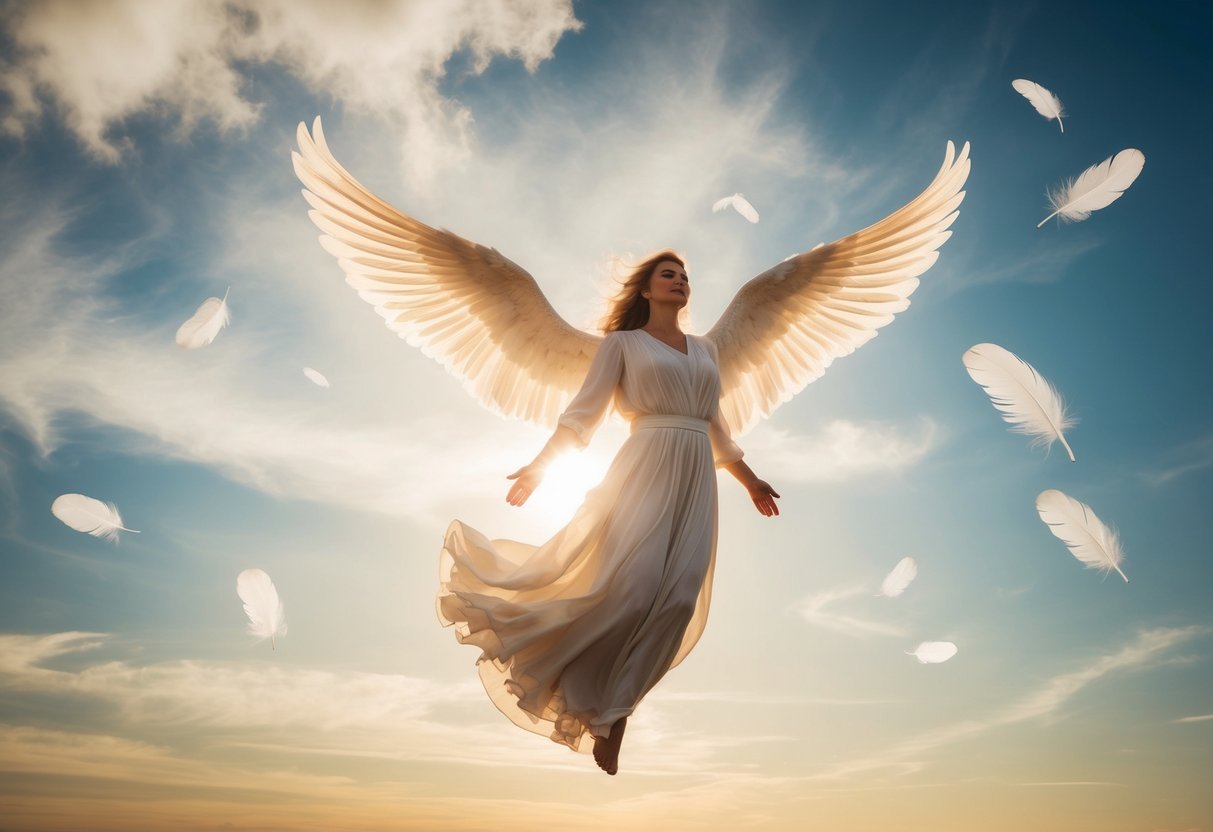
The idea of angel wings adds a layer of symbolism, representing purity, protection, and a connection to the heavens.
Cherubim and seraphim are examples of angels specifically noted for their wings in biblical texts. In contrast, other angels, like those that appeared to individuals such as Abraham and Mary, do not have wings but still embody the essence of their divine purpose.
This exploration of whether angels have wings invites readers to reflect on the deeper meanings behind these representations.
Understanding these differences can help demystify the role of angels in spiritual beliefs and the messages they convey to humankind.
Biblical References to Angels
The Bible provides various accounts and details about angels. These descriptions highlight their appearances and different types, shedding light on their roles and significance.
Angelic Appearances
Angels are often depicted as messengers of God in the Bible. They can take on human forms, which can be seen in Genesis 18 when three angels visit Abraham.
Another significant appearance is in Luke 1:26-38, where the Angel Gabriel announces to Mary that she will bear Jesus.
Some angels are described with wings. For instance, cherubim, mentioned in the Ark of the Covenant’s construction, have wings that spread over the mercy seat (Exodus 25:20). The seraphim, seen in Isaiah 6:2, have six wings. These beings serve specific purposes, ranging from delivering messages to worshipping God.
Types of Angels
The Bible identifies different types of angels, each with distinct roles.
Cherubim are often guardians of sacred spaces, like the Garden of Eden (Genesis 3:24). Seraphim, found in Isaiah’s vision, lead worship around God’s throne.
Archangels hold a higher rank among angels. Michael is one of the named archangels known for battling evil (Jude 1:9).
Guardian angels are believed to protect individuals, as suggested in Psalm 91:11-12, where it states that angels guard those who trust in God.
These various types illustrate the diversity within angelic beings, emphasizing their importance in biblical teachings.
Angelology in Different Cultures
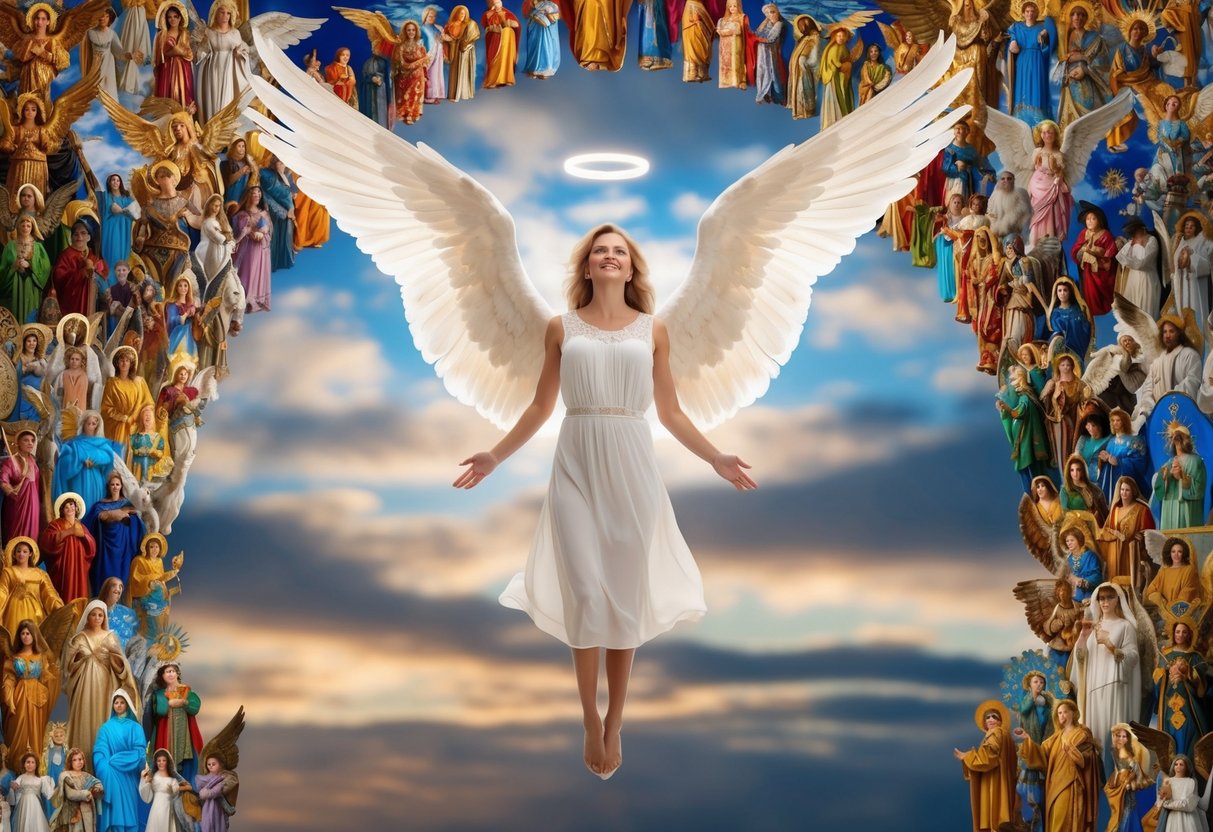
Angelology varies significantly across different cultures, including their artistic representation and beliefs. Different societies have depicted angels in unique ways, often influenced by their spiritual views and historical contexts.
Angels in Ancient Egypt
In Ancient Egypt, spiritual beings played key roles. While the culture did not have a concept of angels as understood in later traditions, it featured beings that served similar functions. Deities like Ma’at represented order and truth, guiding souls in the afterlife.
These spiritual entities were often depicted with wings, highlighting their connection to the divine. Egyptian art emphasized a range of beings that acted as messengers between gods and humans.
Symbols and hieroglyphs were also significant. For example, feather motifs were linked to the goddess Ma’at, symbolizing truth and justice.
This artistic imagery laid a foundation for later concepts of angels with wings in various religions.
Winged Angels in Popular Culture
In modern times, angels are commonly depicted as winged beings in art, literature, and media. This imagery connects to religious texts but has evolved in popular culture.
Movies, books, and television shows often present angels with majestic wings, emphasizing their role as protectors and messengers. This portrayal draws audiences, combining fantasy with traditional narratives.
Iconic examples include the anime Neon Genesis Evangelion, where angelic figures are reimagined to explore deeper themes of existence and humanity.
This blend of angelic imagery in popular culture creates a rich tapestry where ancient beliefs adapt to contemporary contexts, reinforcing the enduring allure of angels.
The Purpose and Roles of Angels
Angels serve important functions in both religious texts and beliefs. They act as messengers and intermediaries between God and humanity. Additionally, they offer protection and guidance to individuals, fulfilling various roles that align with divine purposes.
Messengers and Intermediaries
Angels are often seen as messengers of God. They deliver important messages and instructions to humans. In many instances, they appear in human form to communicate clearly.
For example, when angels visited Abraham, they came as ordinary travelers.
Their responsibilities include sharing prophecies and divine plans.
In scriptures, angels also connect heaven and earth, bridging the gap between spiritual beings and human affairs. They serve to remind people of God’s presence and will.
Protection and Guidance
Angels provide protection and support in various situations. Many believe in the idea of guardian angels, who watch over individuals throughout their lives.
Psalm 91:4 states that God will cover them with His feathers and provide refuge.
This imagery suggests that angels shield individuals from harm and offer divine guidance. They help people navigate challenges and make decisions according to God’s plan.
Their watchful presence gives comfort, reassuring individuals of divine support during difficult times. Angels embody God’s protection, guiding individuals toward safety and peace.
Physical Attributes and Symbolism
Angels are often depicted with wings, which hold significant meaning across various cultures and religious texts. These wings symbolize not only the divine nature of angels but also their role as messengers between the heavens and humanity. The artistic portrayal of angels varies, reflecting different interpretations of their celestial attributes.
Wings as Symbols
Wings are a prominent feature in angelic imagery. They symbolize freedom, spirituality, and the ability to transcend earthly limitations. In many traditions, wings represent the connection between the divine and the human realm.
In religious texts, such as the Bible, certain types of angels, like the Cherubim and Seraphim, are described with multiple wings. This representation emphasizes their exalted status and proximity to God.
For example, the Seraphim are often depicted as having six wings, highlighting their heavenly purpose.
The imagery of angel wings also conveys protection and guidance. They are seen as a shield, watching over and safeguarding individuals, which enhances their role as benevolent spiritual beings.
Representation in Religious Art
Artistic representation of angels has evolved over centuries. In many paintings and sculptures, angels are shown with large, feathered wings. This portrayal aligns with the idea of them being celestial beings.
Artists depict angels in various ways, often drawing inspiration from religious texts.
For instance, in Christian art, angels are commonly shown in heavenly attire, glowing and surrounded by light. This reflects their purity and divine nature.
The symbolism of wings varies by culture. In some artworks, wings might be more stylized, representing the idea of flight and ethereal beauty rather than realistic anatomy. This creative interpretation allows for deeper meanings in the context of spirituality and divinity.
Mythology Vs. Theology
The concepts of angels differ greatly when viewed through the lenses of mythology and theology. Mythological representations often embellish the nature and abilities of these beings, while theological interpretations focus on their roles and limitations, as created by God.
Understanding Angelic Limitations
Angels are often seen as powerful celestial beings, but they have specific limitations. In theology, they are created by God and do not possess free will like humans.
Their abilities are defined by their purpose, such as delivering messages or guiding individuals.
For example, the archangel Gabriel is known specifically for his role as a messenger in biblical accounts.
Unlike mythological portrayals that may depict angels as all-powerful or endlessly versatile, theological views emphasize their roles as servants of God, bound to His will.
Archangels and Their Significance
In theological texts, archangels hold a significant role. They are higher-ranking angels designated by God for special tasks.
The archangel Gabriel is one of the most recognized, known for delivering vital messages, such as the announcement of Jesus’ birth to Mary. Unlike figures in mythology that can take on various forms and personalities, archangels like Gabriel maintain their defined roles.
This distinction highlights the structured hierarchy within angelic beings, showcasing their divine purpose. Understanding these roles allows for a clearer view of how angelic beings function according to religious teachings, separating myth from reality.
