
The question of whether Baptists dance often sparks lively debate among different congregations and communities. When people search “Do Baptists Dance,” they discover there’s no simple yes or no answer.
For many Baptists, dancing is seen as a form of worship and celebration, while others view it as inappropriate or even sinful.
This divergence in beliefs is influenced by biblical interpretations, cultural perceptions, and historical traditions that differ greatly among Baptist groups.
Understanding these varying perspectives helps explain why this topic remains one of the most discussed aspects of Baptist faith and practice today.
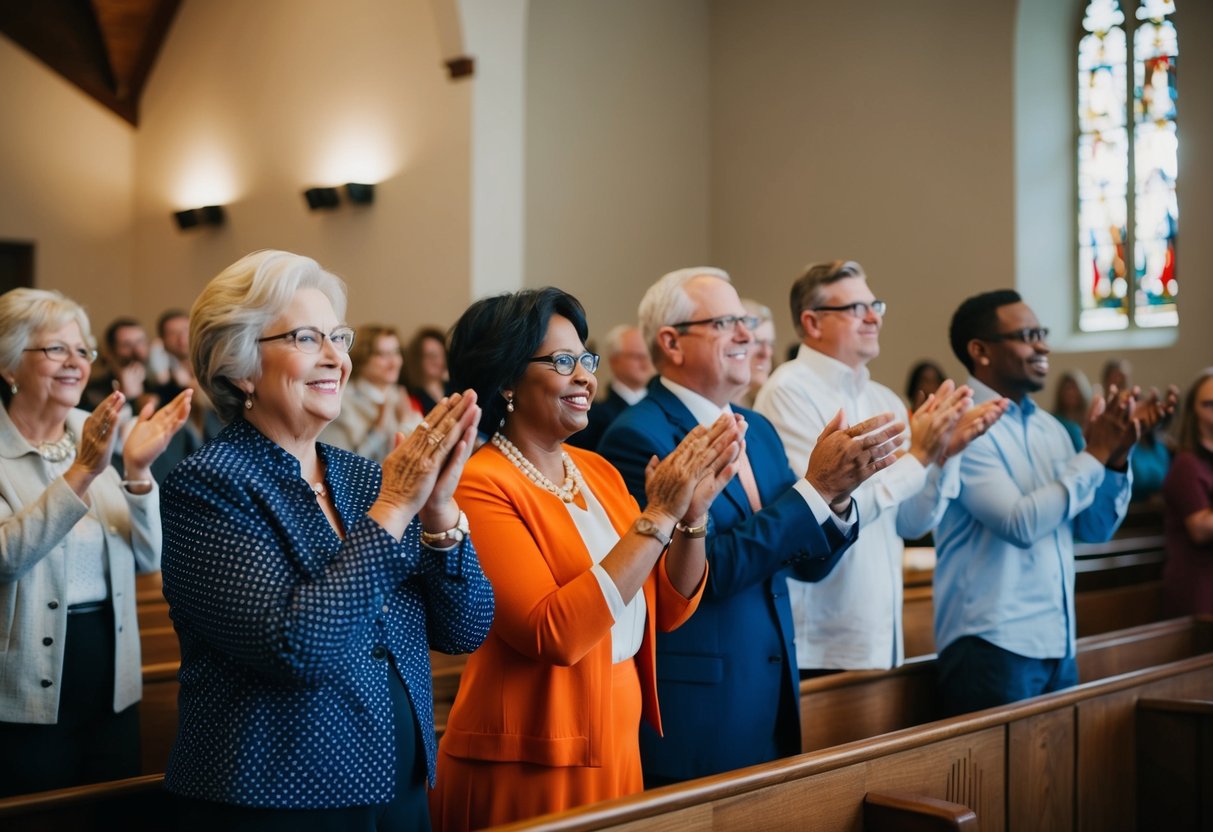
Some Baptists embrace dancing as an expression of joy and faith, incorporating it into worship services or social gatherings.
Conversely, other groups maintain that dancing can lead to temptation or distract from the worship experience.
Understanding these varied perspectives can help clarify why dancing holds different meanings for Baptists across the country.
This exploration into the Baptist view on dancing reveals a rich tapestry of beliefs that reflects the broader conversations within Christianity.
Readers might find insight into how cultural influences and personal convictions shape these sometimes conflicting views on dance within the Baptist community.
Historical Context of Dance in Christianity
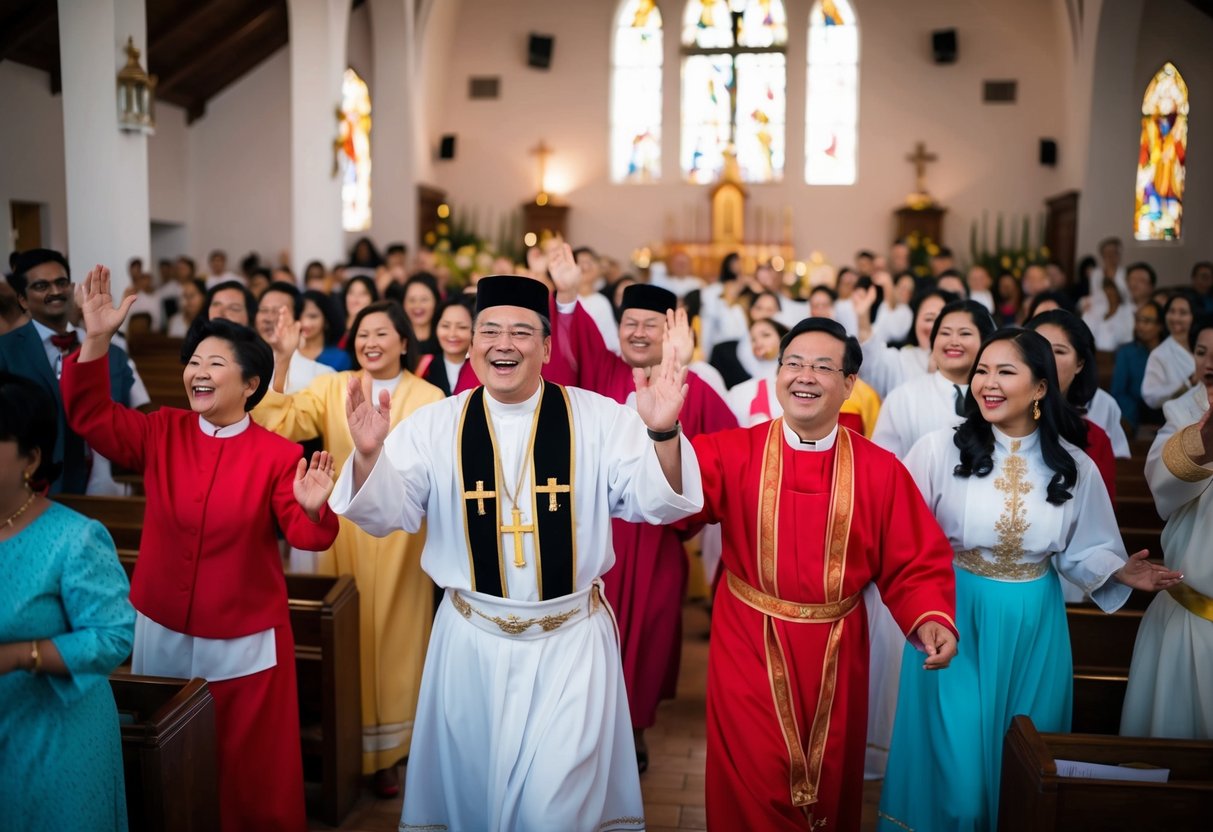
Dance has played a significant role in biblical times and early Christian practices. The attitudes towards dance have changed over time, especially during significant periods such as the Protestant Reformation.
This section explores the historical roots of dance in Christianity, focusing on its biblical references and the changes brought about by the Reformation.
Biblical References to Dance
The Bible mentions dance as an expression of joy and worship. In Exodus 15:20, Miriam, the sister of Moses, leads the Israelite women in dance after their escape from Egypt. This celebration highlights the role of dance in communal joy and worship.
Another mention is found in Psalm 149:3, which encourages people to praise God with dancing. Additionally, Ecclesiastes 3:4 states, “a time to weep, and a time to dance,” indicating that dance is recognized as part of the human experience.
In the New Testament, Luke 15:25 tells of a father’s celebration of his lost son’s return with music and dancing. These biblical examples illustrate that dance was often linked to significant life events and spiritual expression.
The Protestant Reformation and Dance
The Protestant Reformation, which began in the 16th century, brought many changes to Christian practices, including views on dance. Reformers like Martin Luther believed in using music and song for worship. However, many Protestant groups viewed dance with suspicion.
Some churches forbade dancing, fearing it could lead to immoral behavior. This has shaped the perspectives of various denominations, including Baptists, where dancing might be seen as unwise in some contexts.
Although historically restrained, many modern Baptists acknowledge the freedom to dance, reflecting a more liberal interpretation of faith and expression.
Baptist Views on Dance
Baptists have diverse opinions on dance, shaped by a mix of scripture, morality, and cultural norms. While some embrace dance as a joyful expression, others see it as a potential source of sin and immorality.
The Role of Scripture in Shaping Views
Scripture plays a significant role in forming Baptist views on dance. Certain biblical passages reference dance positively, such as in celebrations or worship. For instance, David danced before the Lord (2 Samuel 6:14), which some Baptists interpret as an endorsement of dance in a worship context.
Yet, there are also verses that warn against activities seen as sinful or immoral. These teachings contribute to varied interpretations within congregations.
Many Baptists prioritize biblical teachings, leading them to view dance cautiously, especially in secular settings.
Dancing as a Moral and Theological Issue
Dancing is often regarded as a moral and theological issue within Baptist traditions. Many Baptists associate secular dance forms with temptation and immorality. This belief stems from the idea that dance can lead to behavior contrary to their faith.
Some congregations uphold strict guidelines. They consider dance inappropriate in church or communal settings that promote purity and holiness.
This perspective emphasizes maintaining moral integrity and aligning actions with Baptist beliefs.
Cultural Influence on Baptist Attitudes Towards Dance
Cultural norms significantly influence how Baptists view dance. In communities where dancing is common, some Baptists may feel more comfortable expressing joy through movement during weddings or celebrations.
For instance, a father-daughter dance at weddings is often seen as acceptable and a joyful expression of love.
Conversely, in areas with conservative values, dancing might be viewed as secular and discouraged. Thus, cultural context shapes the discourse around dance, with some Baptists advocating for a balanced view that embraces joy without compromising their faith and morals.
Dance in the Life of a Baptist Church
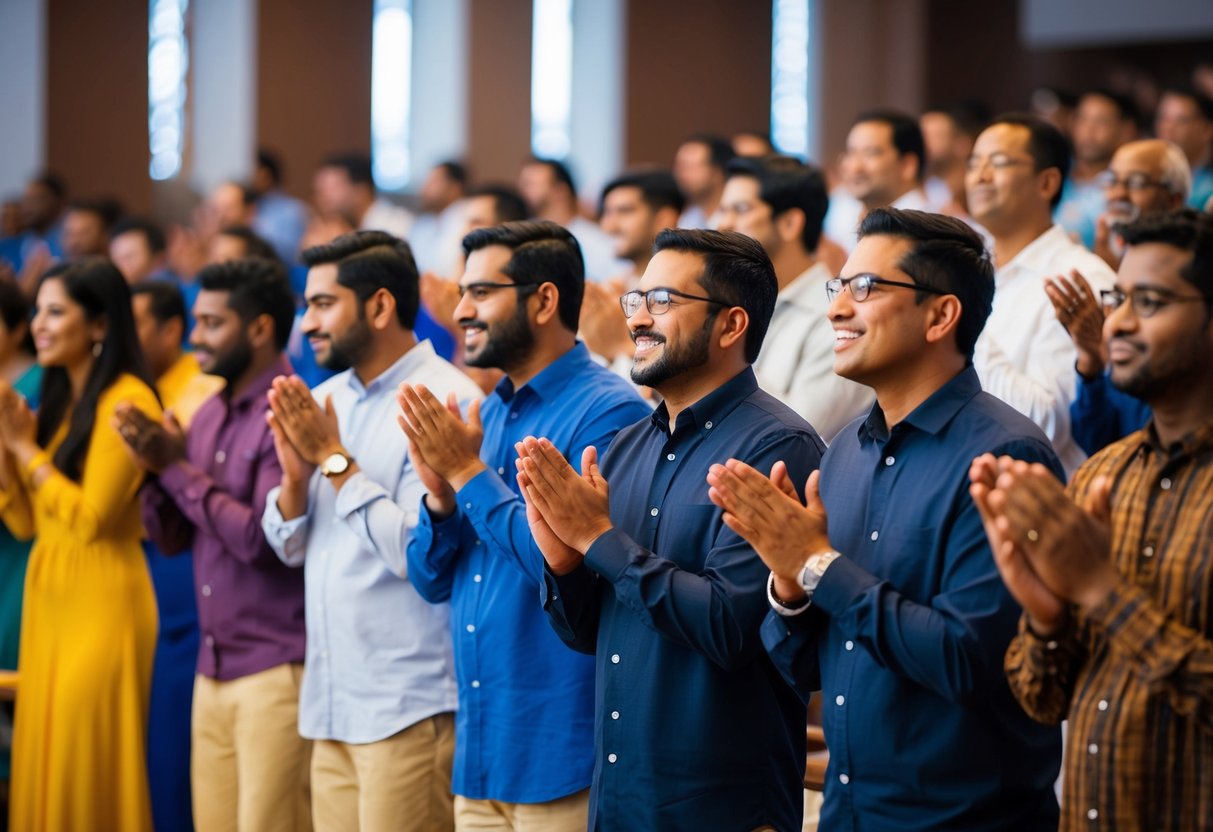
Dance’s role in Baptist churches can vary significantly. Some congregations embrace dance as a joyful expression of faith, while others view it with caution.
This section explores how dance appears in worship services and community events.
Worship Services and Dance
In many Baptist churches, worship services focus on congregational singing, scripture reading, and prayer.
While traditional practices prioritize hymns and sermon delivery, some churches have begun to incorporate dance into their worship experience.
Dancing in worship can serve as a way to express joy and commitment to God. It may happen during special occasions such as holidays or church anniversaries, where members join to celebrate through movement.
However, views on dance are mixed. Some Baptist congregations discourage dance, believing it can lead to distractions or inappropriate behavior.
This balance creates a unique atmosphere, allowing those who feel led to dance to do so while others may prefer to engage in worship through song and prayer.
Community and Fellowship Events
Community and fellowship events provide opportunities for Baptist congregations to come together in a more relaxed setting. These occasions can include church picnics, retreats, or holiday celebrations.
Dance may play a role in these gatherings as a way to foster unity and connection among members.
During events, line dancing or simple group dances might be encouraged. Activities like these help to break the ice and strengthen relationships. They enhance the sense of community within the church and promote a joyful atmosphere.
While dance may not be a central part of every Baptist church’s activities, its inclusion in community events can bring members closer together, reinforcing bonds and shared faith.
Modern Perceptions and Practices
The views on dancing in Baptist communities have evolved significantly. Many modern Baptist churches now embrace dance as a form of worship and creative expression, reflecting changing attitudes toward cultural practices.
This section examines how these adaptations interact with both traditional beliefs and contemporary forms of movement.
Adaptations to Contemporary Cultural Practices
Today, many Baptist congregations incorporate various forms of dance into their services. This may include liturgical dance, which is often characterized by graceful movements that enhance the worship experience.
Such adaptations allow for an engaging expression of faith. Music often accompanies these dances, fostering a joyful atmosphere.
While modesty remains a key concern, many churches emphasize respectful and meaningful expressions through dance, steering away from the traditional aversion linked to dancing in earlier generations.
This shift illustrates a balance between honoring long-standing beliefs and embracing new cultural dynamics. Dance is now viewed less as a sinful act and more as a celebration of faith and community.
Interactions with Secular and Christian Dance Forms
The relationship between Baptist dance practices and secular styles has also grown.
Some congregations not only accept but actively engage with popular dance forms. This engagement can include hip-hop styles or gospel dance, which resonate with younger members.
Many churches aim to combine worship music with energetic movements that reflect contemporary culture. This blend offers a fresh approach to expression while remaining rooted in spiritual significance.
Moreover, as Baptists encounter secular dance forms, they stress the importance of discernment. The focus is on choosing dances that align with their values, steering clear of anything associated with excess, such as alcohol or inappropriate entertainment. This careful approach ensures that the dance remains respectful while allowing for creativity.
Balancing Faith and Expression
Many Baptists seek to balance their faith with forms of expression like dance. This balance encompasses joy and celebration while also maintaining values of purity and modesty.
Both elements reflect the diverse ways members of the local church engage with their faith.
Maintaining Purity and Modesty
While dance can embody joy, it is also essential for Baptists to consider purity and modesty.
Many churches encourage their members to engage in styles of dance that reflect their values. This may mean choosing movements that promote respect and honor for oneself and others.
For instance, the focus may be on group dances that encourage participation without drawing attention to individual performances.
This approach aligns with a commitment to modesty, preventing distractions from the intended worship experience.
Church leaders often guide discussions about what types of dance are appropriate. These conversations emphasize prayerful consideration and the need for balance.
The goal remains to allow expression while keeping in mind the principles of faith and community standards.
