
Many pet owners wonder about the fate of their beloved cats after they pass away. The question “do cats go to heaven” is one that countless grieving pet owners have asked throughout the ages.
While the Bible does not provide a clear answer about whether cats go to heaven, many theologians and believers suggest that animals may have a place in the afterlife.
This reflects a deep connection that people feel with their pets, viewing them as important members of the family. For many, the hope of reuniting with their feline companions brings comfort during times of loss.
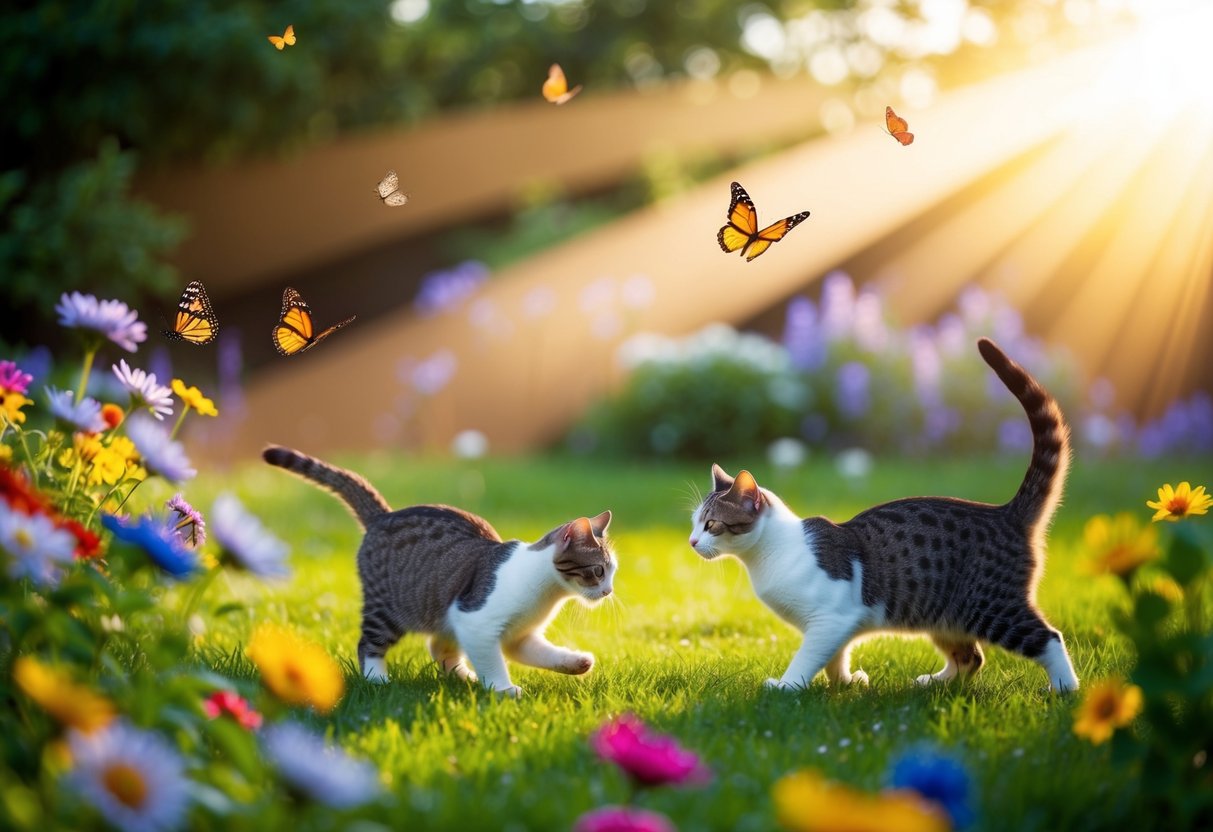
Various beliefs about pets and the afterlife exist across different cultures and religions. Some say animals possess souls and are welcomed into heaven, while others believe that they do not have an eternal existence.
Despite the differences in views, the idea that pets can be part of a heavenly existence offers comfort to many who have lost their feline friends.
As questions about pets in heaven continue to spark discussions, it is essential to explore these beliefs further. Understanding these perspectives can help pet owners find solace and hope regarding their furry companions’ journey after life.
Theological Perspectives on Animals in the Afterlife
The question of animals and the afterlife has been explored through various theological lenses. Perspectives range from biblical interpretations to differing views among religions.
Understanding these viewpoints can shed light on the value of animals in God’s creation.
Biblical References to Animals and the Afterlife
The Bible contains several references to animals, sparking debate around their existence in the afterlife. In Genesis, all living beings are described as part of God’s creation, highlighting their significance.
Ecclesiastes 3:19 states that “the fate of humans and animals is the same; as one dies, so dies the other.” This verse suggests a shared physical destiny.
However, Revelation 21:1 introduces the idea of a new heaven and new earth, leading some to speculate about the potential presence of animals in eternal life. The imagery of a restored creation implies that animals could have a place in this renewed paradise.
Different Religious Views on Animal Souls
In Christianity, the belief in whether animals have souls varies. Some theologians argue that animals are part of God’s creation but lack eternal souls like humans. Others hold that animals can possess souls and may find a place in heaven based on their relationship with humans.
Islam also offers perspectives on animal souls. Many Islamic teachings emphasize that animals are creations of God with inherent value. While the specifics about the afterlife for animals are less defined, animals are respected in many Islamic traditions. They are seen as part of God’s creation that deserves compassion and care.
Scholars’ Interpretations of Scripture
Scholars interpret scripture in various ways regarding animals and the afterlife. Some emphasize the soul’s distinction between humans and animals. They argue that resurrection implies continuity of existence, which animals may not have according to certain interpretations of the Bible.
Other scholars suggest that the presence of animals in a new creation is possible. They reference verses that show God’s care for all His creations. This broad view includes discussions of how animals reflect aspects of God’s beauty and creativity.
Such interpretations contribute significantly to the ongoing conversation about animals in the afterlife across different faiths.
Cats and Spirituality: Understanding the Bond

Cats have long been seen as more than just pets; they hold a unique place in the hearts of many people. Their presence often brings comfort and emotional support, creating a bond that can feel deeply spiritual and significant.
This section explores the connections between cats and spirituality, highlighting their historical context, emotional ties, and the concepts associated with their souls.
Cats in Historical and Spiritual Contexts
Throughout history, cats have been revered in various cultures. Ancient Egyptians worshipped felines, seeing them as sacred animals linked to the goddess Bastet. They represented protection, fertility, and motherhood. In some traditions, cats were believed to possess magical qualities, thought to ward off evil spirits.
Different cultures have viewed cats as spiritual guides. In Buddhism, for instance, cats symbolize mindfulness and the importance of living in the moment. This historical context adds to the notion that cats are not just companions but also hold a deeper, spiritual significance in human lives.
The Emotional Connection Between Cats and Humans
The bond between cats and their owners is often profound. Cats are known for their affectionate behavior and can offer unconditional love to those who care for them.
This emotional connection helps many people cope with grief and loneliness.
Pet owners frequently describe their cats as sources of comfort. They provide companionship and support during difficult times, which fosters a strong, emotional bond. This connection may also lead to beliefs that cats, due to their loving nature, could have a place in an afterlife, allowing for the hope that cats go to heaven.
Exploring the Concept of Soul in Cats
The idea of a soul in animals, particularly in cats, is a topic of interest for many. While it is often debated, many believe that cats possess their own unique spirit or essence. They show emotions, form attachments, and have distinct personalities.
This belief encourages the thought that all pets, including cats, might have a spiritual existence beyond this life. The love shared between a cat and its owner contributes to the idea that these animals could have a special place when considering the afterlife. This view aligns with those who feel that all pets go to heaven.
Examining Scriptural and Apocryphal Sources

Understanding the theological perspectives on whether cats and other animals go to heaven involves examining both biblical texts and apocryphal literature. These sources provide insights into the roles of animals in creation, their fate after death, and how they fit within the broader themes of redemption and resurrection.
Analysis of Key Verses and Passages
The Bible does not explicitly state that pets, including cats, go to heaven. Key passages, such as Genesis 1:25, emphasize the goodness of creation, including animals. This suggests that they have inherent value. Ecclesiastes 3:18-21 speaks to the shared fate of humans and animals, hinting that both face death.
Additionally, Revelation 21:1 introduces the concept of a “new heaven and new earth.” This new creation may include animals, but the text does not clarify if personal pets will be present. The focus remains on restoration and redemption for all of creation, emphasizing a hopeful outlook for animals.
Apocryphal Texts and Their Influence
Apocryphal texts, though not considered canonical, contribute to the discussion of animals in the afterlife. Some writings suggest a more favorable view of animals’ spiritual existence. They provide various examples of animal roles in the spiritual realm, highlighting their presence alongside humans.
These texts can reflect cultural beliefs about afterlife and redemption that might influence Christian thought. The absence of definitive biblical support pushes some to explore these non-canonical perspectives, adding complexity to the debate surrounding pets like cats and their possible existence in the afterlife.
Contextualizing Animal Roles within Scripture
Animals play various roles in the Bible, often symbolizing broader themes. In the Garden of Eden, they are part of God’s perfect creation, showcasing a harmonious relationship with humanity. This reflects the spiritual significance of animals beyond mere physical existence.
The idea of resurrection, crucial in Christian belief, raises the question of whether animals share in this promise. The fall into sin introduced bondage and suffering, affecting all of creation, including animals. Yet, the hope of redemption, as stated in Romans 8:21, suggests that creation will ultimately be liberated. This reinforces the belief that animals, too, are part of God’s redemptive plan.
Contemporary Beliefs and the Role of Clergy
Many people seek guidance from religious leaders about the afterlife, especially regarding beloved pets. Different interpretations exist within clergy and theological circles, reflecting a range of beliefs about whether pets have a place in heaven.
Pastors’ and Theologians’ Views on Pets in Heaven
Pastors and theologians have diverse opinions on the existence of animals in heaven. Some argue that only human souls continue after death, drawing from biblical passages. For instance, they reference scriptures like Isaiah 65:25 that discuss peace in the new creation but focus primarily on humanity.
Others, including notable scholars, believe that animals play a significant role in God’s creation and may indeed have a place in heaven. C.S. Lewis suggested a vision of a hopeful afterlife that might encompass all living beings, including pets. This view resonates with many who consider pets as part of their family.
Modern Interpretations and Church Teachings
Modern interpretations within various church traditions show a shift towards a more inclusive view of animals in heaven. Many clergy now recognize the emotional bonds people have with their pets. They emphasize the idea that God’s love extends to all creations.
Some churches provide comforting messages that pets may have an afterlife. This belief is supported by a growing body of literature and sermons aimed at addressing grief related to pet loss. As these interpretations gain traction, they offer hope to many who want to believe their pets will join them in eternity.
Public Perception and Influence on Faith
Public perception plays a significant role in shaping beliefs about pets and the afterlife. Many individuals view their pets as family, which has led to increased discussions about their place in heaven. This shift in attitude influences how faith communities respond to questions about animals in the afterlife.
As society becomes more accepting of the idea that pets hold a special place in the hearts of their owners, clergy are adapting their teachings. They recognize the importance of comforting those who mourn their pets, offering support that aligns with contemporary feelings and beliefs about loss and the afterlife.
Afterlife Narratives and Cultural Mythos
Many cultures and beliefs explore the ideas of afterlife and eternal life for animals. These narratives often honor the bond between humans and their animal companions, addressing the grief that comes with their loss.
Stories of Rainbow Bridge and Eternal Life
The concept of the Rainbow Bridge is a comforting myth for many grieving pet owners. It suggests that there is a beautiful place where pets wait for their owners after death.
In this narrative, animals frolic in green meadows and enjoy endless playtime. When their humans pass away, they are reunited at the bridge, symbolizing eternal life and a second chance to be together. This story provides solace and hope, easing the pain of separation.
Mythological and Cultural Views on Animal Afterlife
Different cultures have unique perspectives on animals in the afterlife. In some Western beliefs, pets are often considered to have a place in heaven. Various Christian denominations hold differing views on this. Some suggest that animals do have souls and can go to heaven, while others do not share this belief.
In contrast, other cultures, like certain forms of Hinduism and Buddhism, support the idea of reincarnation. In these beliefs, animals might be reborn based on their karma. This cycle of life offers a different outlook on the afterlife, emphasizing growth and transformation.
Pet Memorials and Their Significance
Pet memorials play a crucial role in helping owners cope with their grief. These markers often celebrate the lives of beloved animals and create a space for remembrance.
Memorials can be simple like a planted tree or elaborate like engraved stones. Creating a memorial allows individuals to honor the bond shared with their pets.
It serves as a lasting tribute to their love and care. Such rituals help provide closure and acknowledge the significance of that animal’s life.
Through these acts, owners can find comfort, fostering a healing process for their loss.
