
Pentecostals hold diverse views on the Trinity, shaped by their theological beliefs and denominational backgrounds. This diversity often leads people to ask: Do Pentecostals believe in the Trinity?
The answer depends largely on which Pentecostal tradition you’re examining, as beliefs can vary significantly across different churches and denominations.
Many Pentecostals, especially those in the Orthodox Pentecostal tradition like the Assemblies of God, affirm the doctrine of the Trinity.
They believe that God exists as one being in three persons: the Father, the Son, and the Holy Spirit. However, Oneness Pentecostals reject this traditional Trinitarian view, believing instead that God is one person who has revealed Himself in different modes or manifestations throughout history.
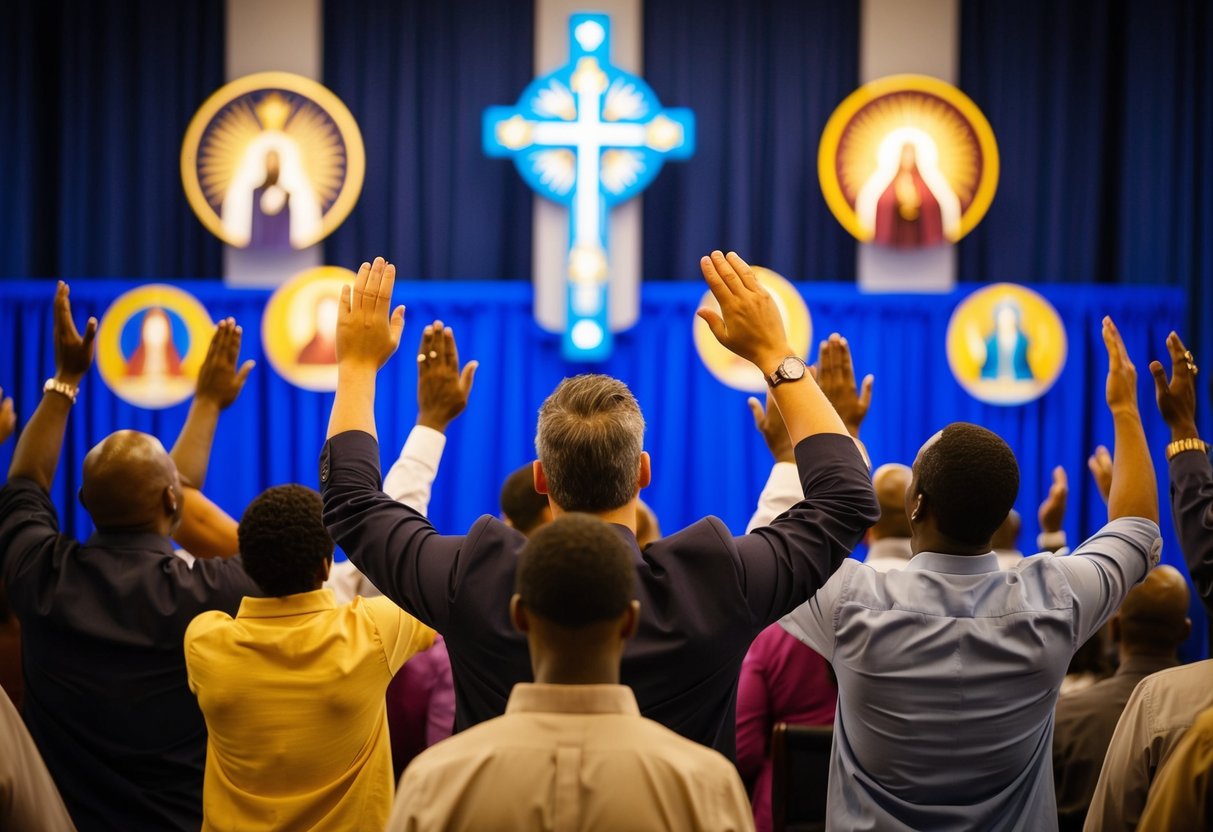
In contrast, Oneness Pentecostals present a unique perspective. They reject the traditional understanding of the Trinity, asserting that these three persons are different manifestations of one God. This stance often leads to significant discussions within the larger framework of Christianity and its many denominations.
Understanding these differences is vital for exploring Pentecostal theology and its implications for worship and community life.
The beliefs surrounding the Trinity influence how Pentecostals connect with their faith and express their understanding of God’s nature and work.
Historical Development of Pentecostal Beliefs
The historical development of Pentecostal beliefs is rooted in Christian faith and shaped by key events in the early 20th century.
Understanding both the origins and theological foundations helps clarify the diversity within Pentecostalism, especially regarding the belief in the Trinity.
Early Pentecostal Movement
The early Pentecostal movement began in the United States in the early 1900s. It was marked by a revival atmosphere, notably at the Azusa Street Mission in Los Angeles in 1906.
Here, followers sought and experienced a deeper relationship with the Holy Spirit.
This movement emphasized direct experiences with God. These included speaking in tongues, healing, and prophetic visions.
Many early Pentecostals focused on the New Testament, viewing it as a guide for personal transformation. The movement attracted people from various backgrounds, leading to a rich diversity in beliefs and practices.
Trinitarian Theological Foundations
Trinitarian beliefs in Pentecostalism trace back to traditional Christian doctrine. Most Pentecostals accept the concept of the Trinity, which describes God as three persons: the Father, the Son, and the Holy Spirit.
This view finds its basis in the Bible, particularly in the New Testament passages that mention all three together.
Despite this, some groups known as Oneness Pentecostals reject the traditional interpretation of the Trinity. They believe in a single divine person who manifests in different roles. This distinction creates a significant divide within the Pentecostal community, affecting their worship practices and theological discussions.
Core Theological Tenets of Pentecostalism
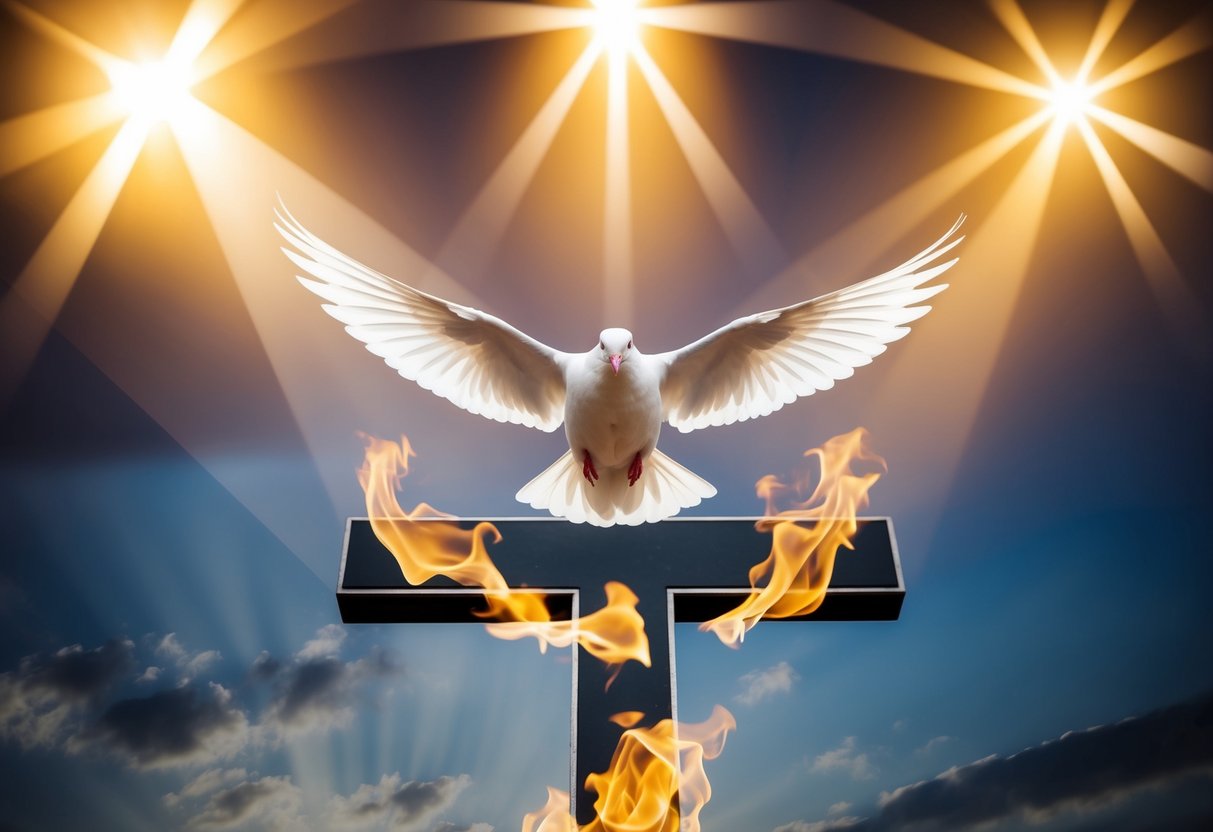
Pentecostalism has several key beliefs that define its theology. These include a strong emphasis on the Trinity, the nature of salvation and baptism, and the importance of spiritual gifts, including speaking in tongues.
Each of these beliefs shapes the identity of Pentecostal communities.
Belief in the Trinity
Most Pentecostals affirm the belief in the Trinity, viewing God as one being in three persons: the Father, the Son, and the Holy Spirit. This concept aligns with traditional Christian doctrine. The doctrine emphasizes that each person of the Trinity is coequal and coeternal.
While many Pentecostals embrace this view, some groups, such as Oneness Pentecostals, have different interpretations. They hold a non-Trinitarian belief, emphasizing the oneness of God, which can lead to debates within the broader Pentecostal community. These distinctions are vital for understanding the diversity within Pentecostalism.
Salvation and Baptism
Salvation is considered a fundamental tenet in Pentecostalism. This faith teaches that individuals can experience a personal relationship with Jesus Christ. It emphasizes that salvation comes through faith and is often marked by a transformative experience.
Baptism is seen as an important early step in the faith journey.
Pentecostals typically practice water baptism by immersion, symbolizing the believer’s identification with Christ’s death and resurrection.
Furthermore, many believe in baptism in the Holy Spirit, viewed as a distinct experience that empowers the believer for service.
Speaking in Tongues and Spiritual Gifts
Speaking in tongues is a prominent practice among Pentecostals. It is often seen as the initial physical evidence of baptism in the Holy Spirit.
This act involves speaking in languages unknown to the speaker, which is believed to be a gift from God.
Beyond tongues, Pentecostals believe in various spiritual gifts, such as prophecy, healing, and miracles. These gifts serve to edify the church and demonstrate God’s power in the world.
Pentecostal communities encourage the exercise of these gifts, fostering an environment where believers can actively engage in their faith.
Distinctions in Pentecostal Practice and Belief
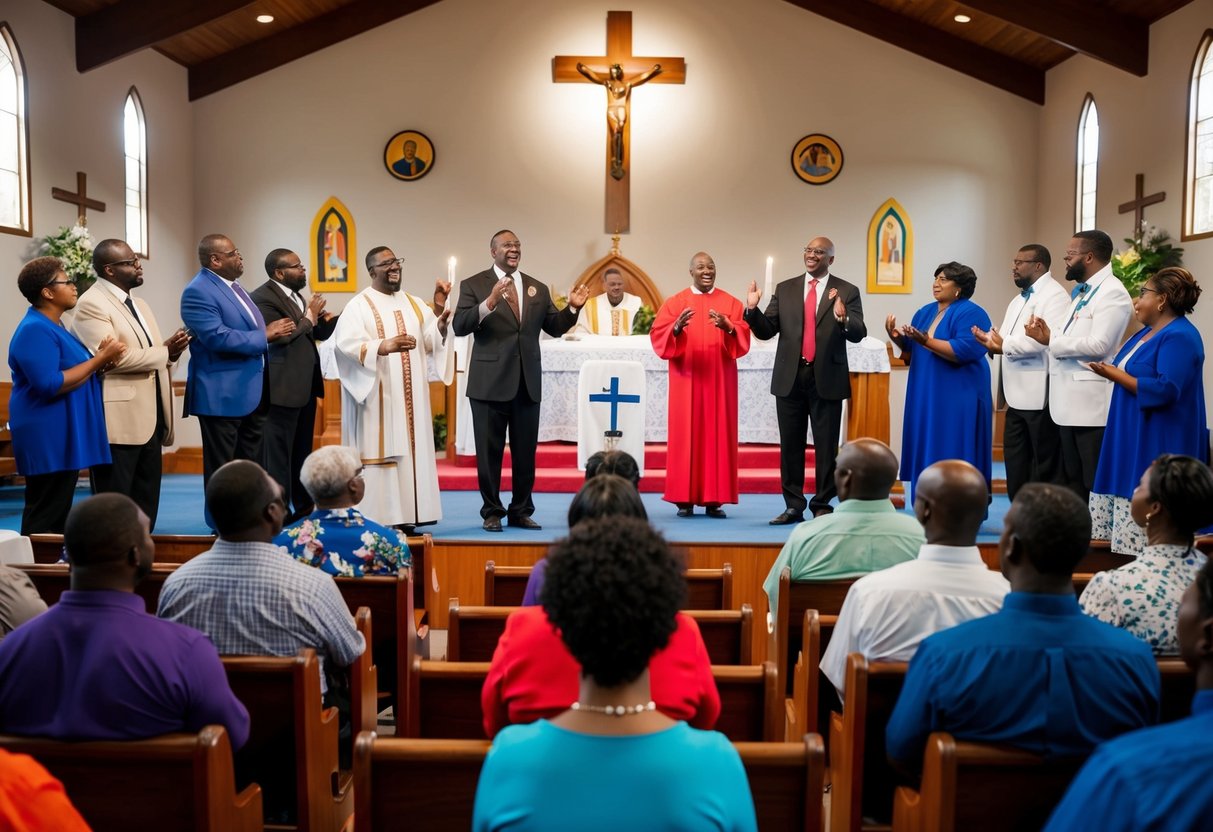
Pentecostalism has different beliefs about the nature of God, which greatly influences their practices. The two main groups within Pentecostalism are Oneness Pentecostals and Trinitarian Pentecostals. Each group has distinct worship practices and beliefs that shape their congregational experiences.
Oneness vs. Trinitarian Pentecostals
Oneness Pentecostals believe in a single God who reveals Himself in different forms: as the Father, Son, and Holy Spirit. This view, known as Modalism, rejects the traditional understanding of the Trinity.
In contrast, Trinitarian Pentecostals affirm the doctrine of the Trinity. They believe that God exists as three co-equal and co-eternal persons: the Father, the Son, and the Holy Spirit. This belief influences their theology and community life.
The distinction impacts worship styles, views on baptism, and interpretations of Scripture.
Oneness Pentecostals often emphasize the name of Jesus in baptism, while Trinitarians typically baptize in the name of the Father, Son, and Holy Spirit.
Worship Practices and Experiences
Worship practices vary significantly between Oneness and Trinitarian Pentecostals.
Oneness Pentecostals often focus on emotional intensity, encouraging spontaneous expressions of faith. Their services may include deep singing, shouting, and fervent prayer. They emphasize the immediate presence of God during worship.
In contrast, Trinitarian Pentecostals may incorporate a mix of structured services and spontaneous elements. Their worship is often rooted in traditional hymns alongside contemporary worship songs.
Both groups value spiritual experiences, but the understanding of these experiences may differ.
Oneness Pentecostals might draw more from personal revelations, while Trinitarians often highlight community and scripture as essential to worship.
Critical Perspectives on the Trinity in Pentecostal Theology
Pentecostal theology showcases a variety of views on the doctrine of the Trinity. While many adhere to traditional Trinitarian beliefs, others, particularly within Oneness Pentecostalism, offer differing interpretations. This section explores these perspectives, focusing on their theological implications and scriptural bases.
Oneness Pentecostalism and Modalism
Oneness Pentecostalism, associated mostly with the United Pentecostal Church International (UPCI), challenges the traditional Trinitarian view. They believe in a “modalist” understanding of God. This means that God manifests Himself in different forms or modes, rather than as three distinct persons.
From this viewpoint, Jesus is seen as the singular manifestation of the one God. They reject the Nicene Creed, which affirms the Trinity’s three persons. This belief raises questions about the nature of God in relation to essential doctrines within mainstream Christianity.
Biblical Interpretations of the Godhead
Biblical interpretations play a crucial role in shaping beliefs about the Godhead within Pentecostal circles.
Many Pentecostals point to verses like John 14:9, where Jesus states, “Anyone who has seen me has seen the Father,” as evidence of unity in the Godhead.
Critics argue that such interpretations may overlook the relational aspects emphasized in traditional Trinitarian theology.
The Nicene Creed outlines a clear distinction among the Father, Son, and Holy Spirit, which some believe is essential for understanding God’s nature deeply. This difference in interpretation fuels ongoing dialogue within the Pentecostal community about the nature of God.
The Role of the Trinity in Contemporary Pentecostalism
The Trinity plays a significant role in contemporary Pentecostalism, shaping its beliefs and practices. Pentecostal Christians often emphasize the Holy Spirit’s presence in their lives, highlighting divine healing and prophetic experiences.
Educational and ecumenical efforts also reflect their understanding of the Trinity, promoting unity among different Christian denominations.
Divine Healing and Prophecy
In many Pentecostal churches, the belief in the Holy Trinity supports practices like divine healing and prophecy.
They believe that the Holy Spirit is active today, providing miraculous healing to believers. Many congregations hold healing services where prayer and laying on of hands are common.
Prophecy is another area of focus. Pentecostals believe that the Holy Spirit can reveal God’s will through prophetic messages.
These insights often guide congregational decisions and provide encouragement to believers. Through these practices, they see the Trinity at work in real-time.
Educational and Ecumenical Efforts
Pentecostal Christians engage in educational efforts to deepen their understanding of the Trinity.
Bible studies and theological courses often cover the significance of the Father, Son, and Holy Spirit in their faith. This helps strengthen their beliefs and fosters spiritual growth within communities.
Ecumenical efforts are also important. Various Pentecostal groups collaborate with other Christian denominations to promote unity in the faith.
They seek to emphasize shared beliefs in the Trinity while respecting differences in interpretations. This focus on collaboration reflects their commitment to the core tenets of Christianity, reinforcing the significance of the Trinity in modern faith practices.
