
Drawings of Jesus hold a significant place in art and culture, representing not just religious beliefs but also a deep emotional connection for many people.
Artists throughout history have captured various interpretations of Jesus, each offering a unique perspective.
Exploring different styles and techniques in these drawings can inspire both artists and admirers alike to appreciate the spiritual and artistic depth they convey.

From classical to modern interpretations, these artworks often reflect the values and traditions of their time. They serve as a means of storytelling, allowing viewers to engage with the figure of Jesus in a personal way.
By examining notable works, individuals can gain insights into the context and motivations behind each piece.
Art enthusiasts and aspiring artists may find inspiration in the various examples of Jesus drawings available. Whether seeking easy tutorials or exploring famous paintings, there is something for everyone to discover in this rich artistic tradition.
Historical Context of Jesus in Art
The portrayal of Jesus in art is deeply rooted in the history of Christianity and reflects significant changes over time. These changes illustrate how artists expressed their faith and cultural identity through their depictions of Christ.
Origins of Christian Iconography
Christian iconography began to take shape in the early centuries of Christianity. Initially, images of Jesus were rare, with most early art focusing on symbols like the fish or the Good Shepherd. This was partly due to concerns about idolatry.
By the late 2nd century, Christian communities in Rome and elsewhere started creating more specific representations of Jesus. These images often showed him in simple, recognizable forms.
One early form was the image of the Good Shepherd, symbolizing care and protection. This helped believers relate to Jesus on a personal level.
The Evolution of Jesus’ Depiction
As Christianity spread during the Middle Ages, the depiction of Jesus evolved significantly. In the 4th century, artists began portraying him with distinct Jewish features, including a beard and long hair. This was a shift from earlier youthful portrayals.
Renaissance artists further transformed the image of Jesus. They focused on humanizing him, showcasing his emotions and humanity. This period introduced scenes from his life, such as the Nativity and the Last Supper. Artists, like Leonardo da Vinci, created iconic works that remain influential.
By the Baroque period, dramatic and expressive representations emerged, emphasizing Jesus’ suffering and divine nature. This evolution reflects the changing beliefs and cultural contexts of Christianity over centuries.
Artistic Representations of Jesus

Artistic representations of Jesus vary widely, incorporating different styles, techniques, and cultural influences. These artworks often draw on symbolism and tradition, reflecting the beliefs and values of the communities that created them.
Symbolic Elements in Jesus’ Portrayals
Many artistic depictions of Jesus include symbolic elements that convey deeper meanings. For instance, the halo is often used to indicate divinity. This golden or radiant circle around Jesus’ head signifies holiness and divine nature.
Another common element is the crucifix, a powerful symbol of Jesus’ sacrifice for humanity. It serves as a reminder of his suffering and redemption. The position of Jesus’ hands and facial expressions can also convey various emotions, from sorrow to serenity.
These symbols connect viewers to the spiritual aspects of Jesus’ life and mission. Artists utilize them to emphasize themes of love, sacrifice, and hope, making the artwork resonate on multiple levels.
Varieties of Jesus’ Imagery Across Cultures
Imagery of Jesus varies significantly across cultures. In Western art, Jesus is often portrayed with European features, a long beard, and flowing hair. This style evolved over centuries, influencing how Jesus is perceived in different societies.
In contrast, Eastern imagery tends to depict Jesus with Middle Eastern characteristics. Artists from diverse cultures incorporate local customs, clothing, and settings into their works.
In Latin America, for example, Jesus might be shown in traditional attire, reflecting indigenous influences and local spiritual traditions. These different representations highlight how cultural contexts shape the understanding and depiction of Jesus, enriching the narrative of his life and teachings.
Famous Drawings of Jesus Christ
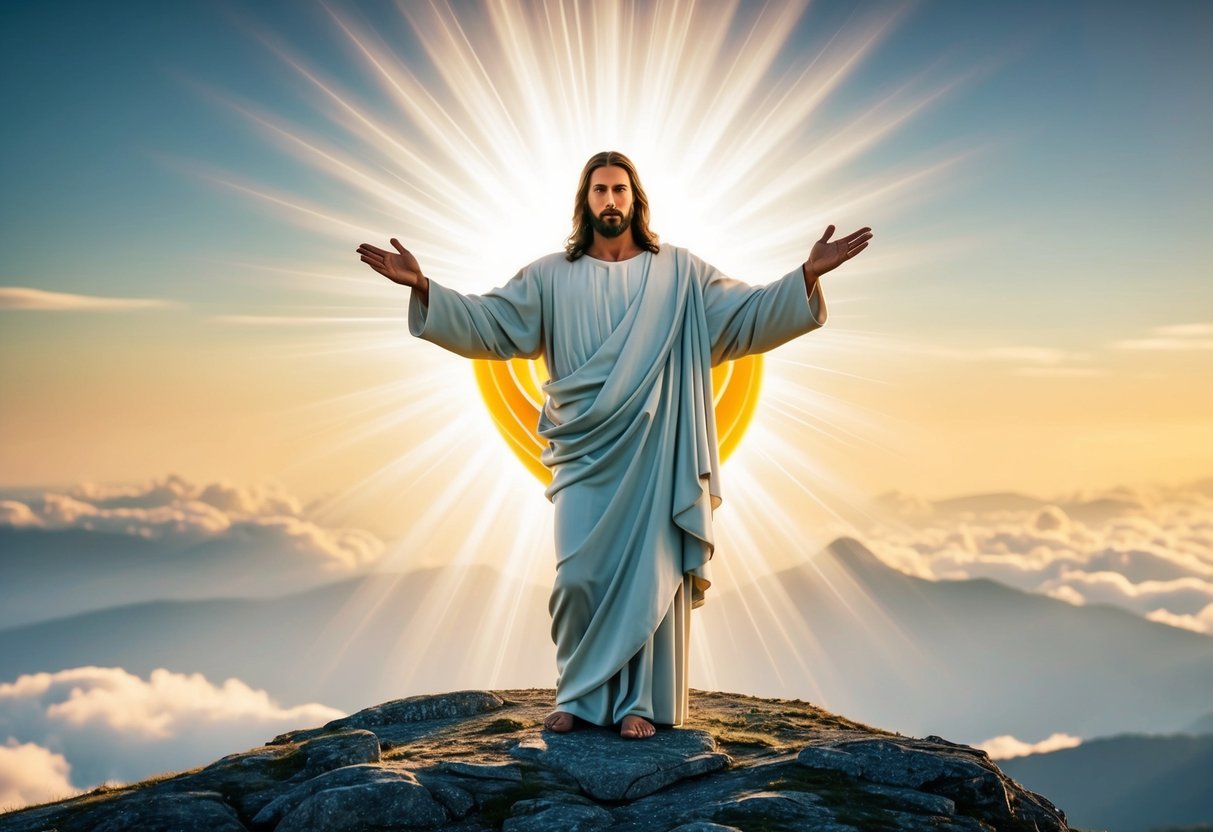
This section explores significant contributions to the artistic representation of Jesus through drawings. It highlights key artists and the evolution of these depictions from the Renaissance to modern times.
Leonardo Da Vinci’s Contributions
Leonardo da Vinci is known for his exceptional artistry and innovative techniques. One notable work is “Study of the Head of Christ,” which shows meticulous attention to detail. This drawing displays Christ’s expression, inviting viewers into a deeper contemplation of his character.
Da Vinci employed a technique called chiaroscuro, which uses light and shadow to create depth. This method adds dimension to the facial expressions, making the portrayal more lifelike. His works have greatly influenced how artists perceive and depict Jesus, merging religious themes with human emotion.
Renaissance to Modern Depictions
The Renaissance marked a turning point in how Jesus was drawn. Artists like Raphael and Michelangelo combined classical techniques with spiritual themes. They created stunning depictions that emphasized beauty and divinity.
Moving into modern times, artists have approached the figure of Jesus with diverse styles. From surrealism to abstract interpretations, his image remains a powerful symbol. For example, Salvador Dali’s unique take challenges traditional representations, prompting viewers to rethink familiar narratives.
This evolution reflects cultural shifts and varying interpretations of faith. Each artist brings their insight, making the depiction of Jesus a rich and varied subject in art.
Techniques for Drawing Jesus
When drawing Jesus, understanding the elements of religious iconography and the mastery of light and shadow is essential. These techniques not only enhance the artwork but also convey the spiritual significance behind the imagery.
Basics of Religious Iconography
Religious iconography provides symbols and visual themes critical for representing Jesus. Artists often use specific features like the halo, to signify holiness.
Choosing the right expressions is important. For instance, Jesus is often depicted with a gentle smile or a serene expression, conveying compassion. Detailed clothing, like a robe or tunic, is also significant, as it reflects historical accuracy and cultural context.
Colors carry meaning too. Colors like gold or white can symbolize purity and divinity. Artists should carefully choose hues that support the overall message of the drawing.
Familiarizing oneself with traditional images and styles can help in capturing the essence of Jesus. Studying works from the Renaissance or Byzantine periods can provide invaluable insights.
Mastering Light and Shadow for Holiness
Light and shadow play a vital role in creating depth and emotion in drawings of Jesus. Understanding how to manipulate these elements helps emphasize certain features and enhance the overall impact.
Artists can use techniques like chiaroscuro, the strong contrast between light and dark. This method brings a three-dimensional feel to the drawing. Highlighting the face, especially the eyes, adds a sense of connection to the viewer.
Shadows can evoke feelings of mystery and reverence. Techniques such as soft blending can create gentle transitions, making the drawing appear more lifelike.
Consulting resources on figure drawing can further refine these techniques. Learning how light interacts with different surfaces will improve the representation of Jesus in art.
Implications of Jesus’ Image in Society
The image of Jesus has a profound impact on both religious practices and contemporary culture. His portrayal influences how individuals and communities connect with spirituality and morality.
Influence on Religious Practice
The crucifixion of Jesus is central to many Christian beliefs and rituals. It symbolizes sacrifice, redemption, and love. His image, often depicted on crosses, serves as a reminder of these core values.
In many churches, the visual representation of Jesus is used during worship. Statues, paintings, and icons often adorn places of prayer, helping believers focus their thoughts. These images encourage reflection on his teachings and actions.
Furthermore, during significant liturgical events, such as Easter, images of the crucifixion are particularly prominent. They help convey the gravity and significance of his sacrifice, reinforcing the themes of hope and resurrection.
Jesus in Contemporary Culture
In modern society, Jesus’ image appears in diverse forms of art, fashion, and media.
From popular films to music and books, he is often portrayed in ways that resonate with contemporary issues.
These representations may evoke a range of emotions and thoughts about morality and compassion.
For example, films depicting Jesus’ life often spark discussions about faith, justice, and human rights.
Moreover, artistic interpretations can vary significantly, reflecting cultural contexts.
Some portray him as a universal figure, while others emphasize specific traits or messages.
This flexibility allows his image to remain relevant in diverse social discussions.
