
The story of Noah’s Ark raises many questions, particularly about the number of animals that boarded it. Scholars and theologians have long debated this topic, leading many to ask:
How Many Animals Were on the Ark? A Closer Look at Historical and Biblical Estimates reveals fascinating insights into this ancient account. Based on the variety of species that needed to be saved, estimates suggest that Noah may have cared for around 6,744 animals.
This number considers different types of animals and includes both clean and unclean species as described in the biblical text.
Understanding these calculations helps us appreciate the scale of the task Noah faced and the careful planning that would have been required for such an extraordinary voyage.
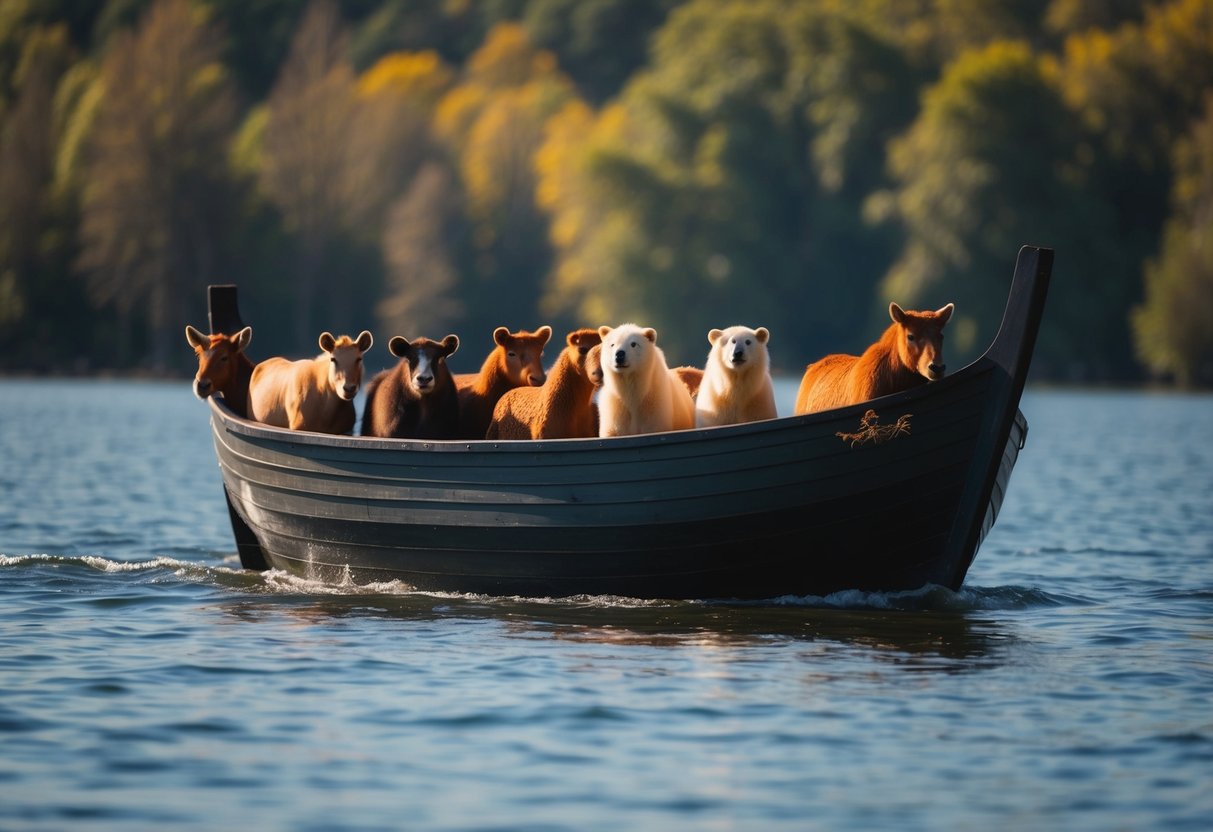
Many people wonder how Noah managed to fit all these creatures into the Ark. The task required careful planning and understanding of which animals were essential for survival.
Each pair was chosen based on specific guidelines outlined in the Book of Genesis, which set the groundwork for this incredible journey.
With countless interpretations and studies on this subject, the story of the Ark remains a captivating topic. Understanding how many animals were involved sheds light on the broader tale of survival and faith during one of history’s most famous floods.
Biblical Account of Noah’s Ark
The story of Noah’s Ark in the Bible presents specific instructions from God about how many animals were to be saved from the flood. This narrative outlines the distinction between clean and unclean animals, which holds significant relevance in the context of the story.
Genesis Narrative and Instructions
In Genesis, God gives clear directives to Noah regarding the animals to bring onboard the Ark.
As noted in Genesis 6:19-20, God commanded Noah to take two of every living creature, male and female, to preserve life. This included all species of birds, cattle, and creeping things.
However, when it comes to clean animals, the instructions differ.
In Genesis 7:2, God specifies that Noah should take seven pairs of every clean animal, while only one pair of unclean animals is required. This shows the importance of clean animals for future sacrifices and food sources after the floodwaters receded.
The Significance of Clean and Unclean Animals
The distinction between clean and unclean animals is essential in the biblical narrative.
Clean animals are those deemed acceptable for consumption and sacrifice. Examples include cows, sheep, and deer.
In contrast, unclean animals, such as pigs and reptiles, are not suitable for eating. This classification plays a vital role in the dietary laws later established for the Israelites. Understanding these classifications helps comprehend the cultural and religious practices that emerged from Noah’s time through future generations.
Species Classification Aboard the Ark
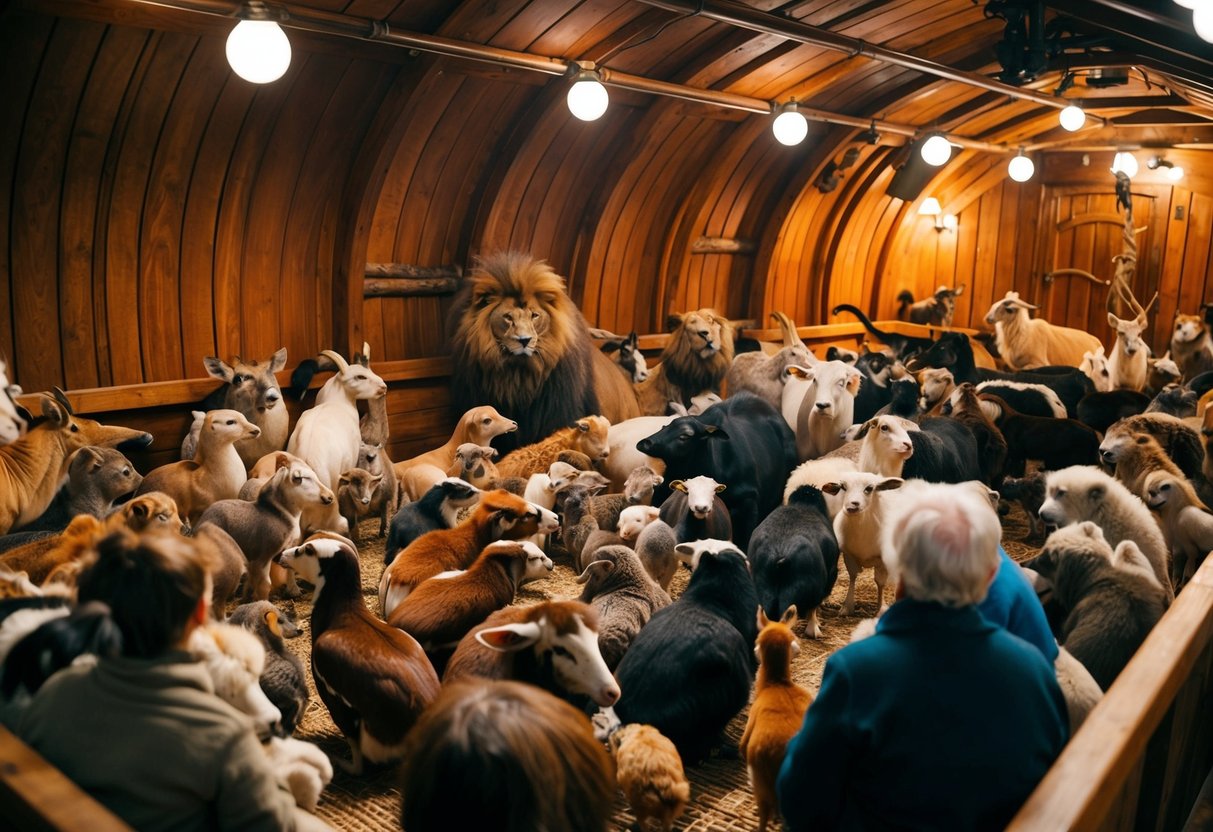
The classification of animals aboard Noah’s Ark is an important topic that explores how animals were grouped and selected. Understanding the concept of “kinds” helps clarify how the diversity of species fits within biblical accounts.
Understanding ‘Kinds’
In the context of Noah’s Ark, the term “kind” is crucial. It refers to a broader classification than modern scientific definitions of species. For example, one “kind” could include various species of birds or beasts.
Biblical scholars estimate that there were about 1,398 kinds of land animals and flying creatures on the Ark, leading to an estimated total of 6,744 animals. This classification means that a pair of each kind was brought aboard, allowing for the survival and reproduction of types within the animal kingdom.
The Role of Male and Female Pairs
The selection process for animals on the Ark included the essential requirement of bringing male and female pairs.
According to the biblical narrative, Noah was instructed to take two of every living thing, ensuring genetic diversity necessary for future populations.
For certain clean animals, such as sheep and cattle, Noah took seven pairs, while unclean animals were represented by just one male and one female. This careful pairing allowed for the preservation of species and the continuation of life after the flood, which is key to understanding their survival as living things after the event.
Logistics and Animal Care
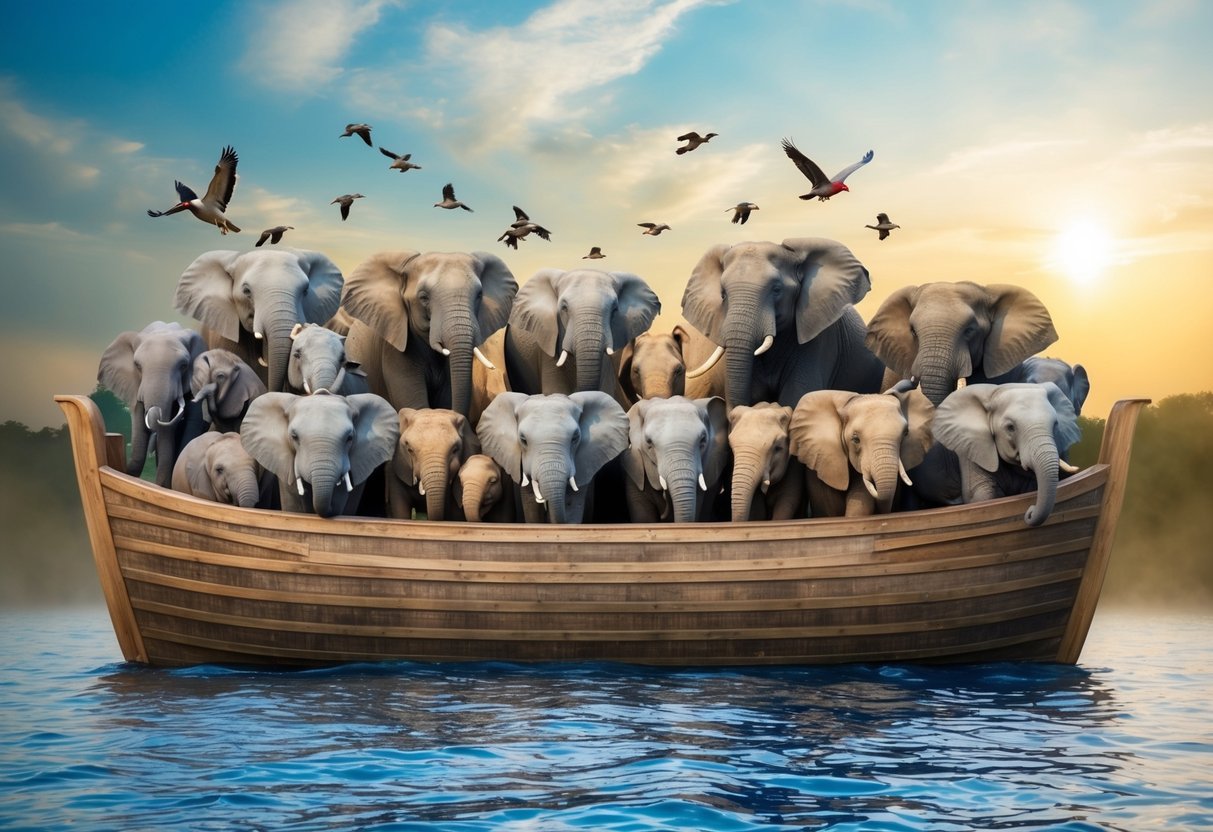
Caring for the animals on Noah’s Ark involved detailed planning. Proper housing and feeding were crucial for the survival of both the animals and their caretaker. The logistics of maintaining a stable environment onboard were essential to ensure the well-being of each creature.
Housing and Feeding the Animals
Noah had to create spaces for a variety of animals. Each species required distinct housing to accommodate their size and living needs. The selection of materials was vital to withstand the climate inside the Ark.
Feeding the animals presented its own challenges.
Noah likely prepared supplies of dried and preserved foods, as fresh food would not last the entire journey. Each type of creature, whether mammal or flying creatures, needed specific diets to thrive. For instance, herbivores would require grains and hay, while carnivores needed flesh or other protein sources.
Maintaining Life on the Ark
Maintaining the breath of life for all onboard was a primary concern. The Ark had to have good ventilation to ensure each animal received enough air. Water sources were also crucial, possibly stored in barrels or found via rain collection.
Hygiene played an important role.
Noah would need to regularly clean the living spaces to prevent the build-up of waste, which could lead to illness. Managing the needs of various creatures, including their sleeping and social habits, was essential for a peaceful environment. Each animal’s welfare depended on balanced care and attention from Noah and his family.
The Ark’s Journey and Aftermath
After the flood began, Noah’s Ark set out on a long journey across vast floodwaters. This section explores how the Ark navigated the turbulent waters and what occurred when it finally came to rest.
Navigating the Floodwaters
As rain fell relentlessly for 40 days and 40 nights, the floodwaters rose and covered the Earth. The Ark floated on these waters, carrying Noah, his family, and numerous living creatures.
The combination of rain and rising water levels created a massive deluge. The Ark bobbed along, with its structure designed to withstand turbulent conditions. Around it, mountains and valleys disappeared beneath the water.
This journey required endurance as they awaited the water to recede. Inside the Ark, animals adapted to the cramped quarters as they shared the confined space.
New Beginnings on Land
After several months, the floodwaters finally began to lower. The Ark came to rest on the mountains of Ararat, marking the end of its long journey.
As the land reemerged, Noah sent out a raven and a dove to find dry ground. The dove eventually returned with an olive leaf, signaling that the Earth was healing.
Once the waters completely receded, Noah and the living creatures left the Ark to begin anew. This moment was a fresh start for both humans and animals as they stepped onto a revitalized Earth. They faced the challenge of rebuilding life and populating the land once again.
Cultural and Historical Impact
The story of Noah’s Ark has influenced various aspects of culture and education. Its interpretation has evolved over time, and many modern exhibits aim to educate the public about this biblical narrative.
Noah’s Ark in Modern Interpretation
In contemporary culture, Noah’s Ark symbolizes hope and resilience. Many view it as an archetype of survival during times of disaster.
Numerous artistic interpretations showcase Ark imagery in literature, paintings, and films. Various authors have reimagined the story, exploring themes of sacrifice and conservation.
These interpretations often emphasize the gathering of land-dwelling animals and the preservation of species. The narrative prompts discussions about the importance of biodiversity and the responsibility of humans to protect the environment.
Noah’s Ark helps people understand humanity’s relationship with nature and faith. It raises questions about the ethics of wildlife preservation today.
Educational Exhibits and Replicas
Educational exhibits like the Ark Encounter in Kentucky aim to provide an immersive experience.
Visitors can explore a life-sized replica of Noah’s Ark and learn about the logistics of gathering animals.
Creation Museum also presents information on the Ark’s significance. These exhibits showcase models and interactive displays on land animals that were allegedly preserved during the flood.
Such locations offer workshops and seminars that allow guests to engage actively with the content.
They emphasize the importance of understanding biblical narratives from a historical and scientific perspective.
These educational initiatives encourage discussions about faith, history, and environmental stewardship.
They play a crucial role in how society views ancient stories in today’s context.
