
Many people struggle with the complex and deeply personal question: Is Suicide a Sin? This topic touches on faith, mental health, and the human experience of suffering.
The answer often reflects a mix of personal beliefs, religious teachings, and societal views.
While some traditions view suicide as a grave sin, others emphasize compassion and understanding for those in pain. Modern perspectives increasingly recognize the role of mental illness and urge a more nuanced approach to this sensitive subject.

This topic surrounds themes of hope and faith, urging individuals to consider not just the act itself but the emotional turmoil behind it.
Exploring the intersection of suicide and sin leads to deeper conversations about mental health, the importance of compassionate support, and the need for effective suicide prevention efforts.
People are reminded that faith can be a source of strength, providing solace and a path forward for those suffering. Understanding the nuances can help in building a supportive community where individuals are encouraged to seek help and find healing.
Historical and Theological Context
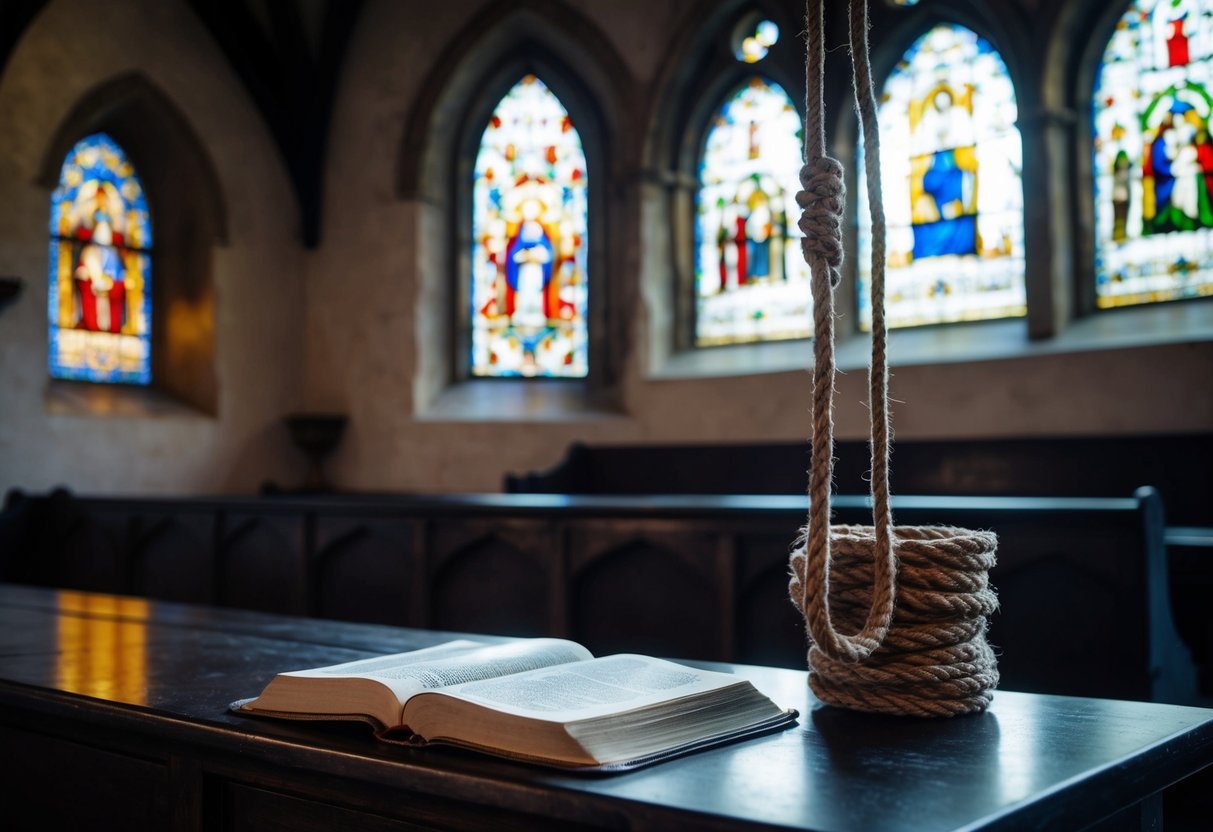
The historical and theological context of suicide in Christianity reveals a complex understanding shaped by biblical narratives and early church teachings. It highlights diverse views from scripture and influential theologians, impacting how suicide has been perceived over time.
Suicide in the Bible
The Bible presents various accounts of suicide that inform Christian thought.
Notably, the stories of Saul and Judas Iscariot illustrate different motivations and consequences.
Saul, facing defeat, chose to end his life by falling on his sword (1 Samuel 31:4). Judas, driven by remorse for betraying Jesus, hanged himself (Matthew 27:5). Other accounts include Samson pulling down the Philistine temple, resulting in his death, and Ahithophel, who took his life after his counsel was rejected (2 Samuel 17:23).
These narratives show that biblical figures faced desperate circumstances, but they offer no direct endorsement of suicide, complicating its moral standing.
Early Christianity Views
In early Christianity, suicide was largely viewed as a grave sin.
The early church believed it reflected a failure to trust in God’s mercy. Influential figures, like Augustine, argued that taking one’s life denied God’s authority over human existence. The church held that, unlike other sins, suicide left no room for repentance, which deepened its severity.
Also, church councils often denied burial rites to those who died by suicide, reinforcing the belief that it was an offense against God and community. This stigma shaped Christian attitudes toward mental suffering and suicide for centuries.
Influence of Augustine’s Teachings
Augustine of Hippo played a significant role in shaping theological views on suicide.
In his work, City of God, he asserted that life is a gift from God, and taking it away is a direct challenge to divine authority. Augustine emphasized the importance of repentance and faith, arguing that suicide denies hope for redemption.
His teachings influenced later church doctrines, which defined suicide as a serious sin. Augustine acknowledged human suffering but maintained that seeking help and God’s grace was paramount. His views established a framework that viewed suicide through the lens of morality and divine will, impacting Christian thought well into the modern era.
Moral and Ethical Perspectives
The discussion on whether suicide is a sin delves into various moral and ethical viewpoints. Key elements include the sanctity of life according to religious teachings, the moral implications of suicide, and the distinctions made between suicide and acts of martyrdom.
Sanctity of Life in Religious Texts
Many religious texts emphasize the sanctity of human life. For instance, Christianity teaches that life is a gift from God, reflecting His image. The Bible often highlights the importance of preserving life, with teachings that view taking one’s life as a grave sin.
In Hinduism, life is interconnected with karma and the cycle of rebirth. Ending one’s life disrupts these cycles and is seen as against the divine order. Therefore, these perspectives underscore that life should be cherished and protected, aligning with the deep ethical belief that all lives hold intrinsic value.
Suicide as a Moral or Immoral Act
From a moral standpoint, many view suicide as an immoral act. It raises significant questions about intentions and mental state.
Some argue that if a person is experiencing severe psychological distress, their ability to make a moral decision is impaired. This leads to the consideration of mortal sin.
In many traditions, suicide might be seen as a deliberate rejection of God’s love. Thus, it can be classified as a sin against the love of God and the responsibility to care for oneself.
Yet, others assert that compassion should be the response, suggesting that individuals who take their own lives may be beyond control of their actions due to grave mental illness.
Distinction Between Suicide and Martyrdom
Martyrdom differs significantly from suicide in moral and ethical implications.
Martyrs are often celebrated for their sacrifices in the name of faith or principle. They willingly accept death for a greater good, displaying a profound commitment to their beliefs.
This contrasts sharply with suicide, where the act is often linked to despair rather than noble cause. While some may perceive martyrdom as a journey towards divine favor, suicide is frequently viewed as a rejection of life’s sanctity. The judgment of these actions varies greatly across cultures, but the underlying belief remains: deliberate actions should aim to uplift rather than destroy.
Suicide, Depression, and Mental Health

Suicide is often linked to mental health issues, particularly depression. Understanding this connection is vital for prevention.
Mental disturbances can lead individuals to consider drastic measures, while faith and community support can play a significant role in prevention.
Understanding Depression and Psychological Disturbances
Depression is a serious mental health condition that affects how people feel, think, and act.
Individuals suffering from clinical depression may experience persistent sadness, hopelessness, and a lack of interest in activities they once enjoyed. This condition can stem from a variety of factors, including a chemical imbalance in the brain, traumatic experiences, or prolonged stress.
Psychological disturbances can also manifest as anxiety, bipolar disorder, or other mental health disorders, increasing the risk of suicidal thoughts or actions. Understanding these complexities is crucial in addressing the roots of self-harm.
The Role of Faith and the Church in Prevention
Faith communities can provide important support for those struggling with mental health challenges.
Many churches offer programs that promote mental well-being and create a safe environment for individuals to share their struggles.
By fostering open conversations about mental health, these organizations help break the stigma surrounding depression and suicide. They can also direct at-risk individuals to counseling resources or mental health professionals. The combination of faith-based support and professional help can be vital in suicide prevention efforts.
Recognizing and Responding to Signs of Suicide
Identifying warning signs of suicide is critical.
Common indicators include drastic mood changes, withdrawal from social activities, and expressed feelings of hopelessness or worthlessness.
If someone shows these signs, it is essential to take their feelings seriously. Offering support, listening without judgment, and encouraging them to seek professional help can make a significant difference.
Being aware of these signs enables friends and family to act promptly, helping to prevent potential tragedies linked to suicide.
Theological Debate on Salvation
The discussion around suicide and its implications for salvation is complex. Different interpretations exist within Christianity regarding whether suicide is an unforgivable sin and how it relates to God’s forgiveness and redemption.
Is Suicide the ‘Unforgivable Sin’?
Many Christians have debated whether suicide can be considered the unforgivable sin.
Historically, some early Christians viewed suicide as a grave moral failing. They believed it separated the person from God’s grace.
Today, many modern Christians argue that suicide, while a sin, does not automatically lead to eternal damnation. The belief is that God’s mercy is vast, and faith in Christ can offer redemption even in difficult circumstances.
This perspective emphasizes that those who struggle with suicidal thoughts often face immense pain and mental health challenges.
The Role of Forgiveness and Redemption
Forgiveness is central to Christian beliefs about salvation.
Scripture teaches that everyone can be forgiven if they genuinely repent and turn to God. This raises a key question: Can a person who commits suicide seek forgiveness?
The answer varies among denominations. Many agree that genuine faith in Christ at the moment of death can lead to eternal salvation.
For instance, believers hold that God’s forgiveness extends beyond a single act, even one as tragic as suicide. This outlook provides hope for those left questioning after a loved one’s death.
God’s Judgment and Eternal Salvation
God’s judgment is often seen as a reflection of His character—one that includes justice as well as mercy.
Some Christians believe that God understands the mental state of individuals and will judge their hearts rather than their final actions.
This belief offers comfort to many. The promise of eternal salvation through faith in Christ assures them that their spiritual journey does not end in failure, even under dire circumstances. Thus, individuals who struggle with thoughts of suicide can find solace in the idea that understanding and compassion prevail in God’s judgment.
Contemporary Issues and Perspectives
The topic of suicide raises various contemporary issues that reflect deeply held beliefs and varying perspectives. Important factors in this discussion include assisted suicide, euthanasia, and their moral implications in society.
Assisted Suicide and Euthanasia
Assisted suicide and euthanasia present complex ethical questions.
These practices involve providing help to end one’s life to alleviate suffering from terminal illness. Advocates argue that these acts can be compassionate responses to unbearable pain, showing love and respect for the individual’s autonomy.
Critics emphasize the sanctity of life and argue that it could undermine the value of life itself. They worry about the potential for coercion, where vulnerable individuals might feel pressured to choose death rather than struggle.
Many worry that allowing assisted dying could change societal attitudes about the worth of life, leading to a slippery slope.
The Role of the Individual and Society
The relationship between individual choice and societal values is significant in discussions on suicide.
Volitional suicide reflects personal choice, often influenced by mental health struggles. Society has a role in promoting mental well-being and understanding the importance of purpose in life.
Some religious perspectives stress the love of God and moral actions that align with preserving life. This belief informs views that consider suicide, regardless of circumstances, as inherently wrong.
The challenge lies in balancing respect for individual autonomy with the collective responsibility to support those in need. Recognizing these perspectives can help foster compassionate discussions around these sensitive issues.
