
Throughout the Bible, Jesus is known by many titles that reveal different aspects of His character and mission. The names of Jesus carry profound meaning, each one offering insight into His nature, divine authority, and deep love for humanity.
From “Son of God,” affirming His unique relationship with the Father, to “Emmanuel,” meaning “God with us,” these names reflect the significance He holds in Christianity. Other titles like Messiah, Savior, and Lamb of God further illustrate His redemptive purpose.
Understanding these names helps believers deepen their faith and appreciate the many ways Jesus fulfills His role as Lord and Redeemer.

Exploring the various names and titles of Jesus not only enhances understanding of His role in faith but also enriches personal connections with Him.
The titles affirm His position as Savior, Redeemer, and Lord, which can inspire a deeper faith and trust.
Discovering these names helps individuals appreciate the complexity and beauty of Jesus Christ’s identity and His work in the world.
Biblical Titles and Significance
The names and titles of Jesus carry deep meanings that reveal His divine nature and mission on earth. They reflect His roles as the Savior, the Messiah, and the dynamic relationship between Him and humanity.
Divine Titles
Jesus holds numerous divine titles that express His unique nature. Among these, “Son of God” emphasizes His relationship with the Father. It indicates His divine origin and authority.
Another title, “Light of the World,” signifies hope and guidance amidst darkness. This title illustrates His role in bringing truth and salvation to humanity.
Additionally, “Lamb of God” connects to the sacrificial system in the Bible. It signifies His purpose in atoning for sin through His death, offering redemption.
Key Titles:
- Son of God: Emphasizes divine authority.
- Light of the World: Represents hope and truth.
- Lamb of God: Signifies sacrificial atonement.
Messiah and Salvific Roles
As the Messiah, Jesus fulfills prophecies and embodies the promised deliverer. This title reflects His purpose in restoring the relationship between God and humanity.
In His role as the “Savior,” Jesus stands as the central figure in the Christian faith. He offers salvation and eternal life through belief in Him.
His mission is further highlighted by His title as the “King of Kings.” This emphasizes His authority over all creation, showing His sovereignty and ruling power.
Significant Roles:
- Messiah: Fulfilled prophecies and restored relationships.
- Savior: Offers salvation and eternal life.
- King of Kings: Represents authority and sovereignty.
Jesus as the Fulfillment of Prophecy

Many prophecies in the Old Testament point to the coming of a Messiah who would fulfill God’s promises. These predictions provide a framework for understanding Jesus’ identity and mission.
Old Testament Prophecies
Several key Old Testament prophecies highlight the expected characteristics of the Messiah.
One significant prophecy is found in Isaiah 7:14, which states that the Messiah would be called Immanuel, meaning “God with us.” This name emphasizes his divine presence among people.
Another important prophecy is Jeremiah 23:5, where the Messiah is referred to as the righteous Branch from the line of David. This underscores the expectation that the Messiah would come from David’s lineage, confirming his royal authority.
In addition, Zechariah 9:9 foretells the coming of a humble king riding on a donkey, which aligns with Jesus’ entry into Jerusalem.
Jesus as the Fulfillment
Jesus embodies the fulfillment of many of these prophecies.
He is referred to as the offspring of David in Matthew 1:1, establishing his rightful claim to the Davidic line. This connection reinforces his legitimacy as the long-awaited Messiah.
Additionally, Jesus’ birthplace in Bethlehem fulfills Micah 5:2, which predicts that the ruler of Israel will come from this small town.
His life in Nazareth connects with the prophecy in Isaiah, where he is identified as a Nazarene. This further solidifies the accuracy of the prophetic messages about him.
Through these fulfillments, Jesus confirms the divine plan that was established centuries before his birth, showing the consistency and reliability of biblical prophecy.
Symbolic and Figurative Names
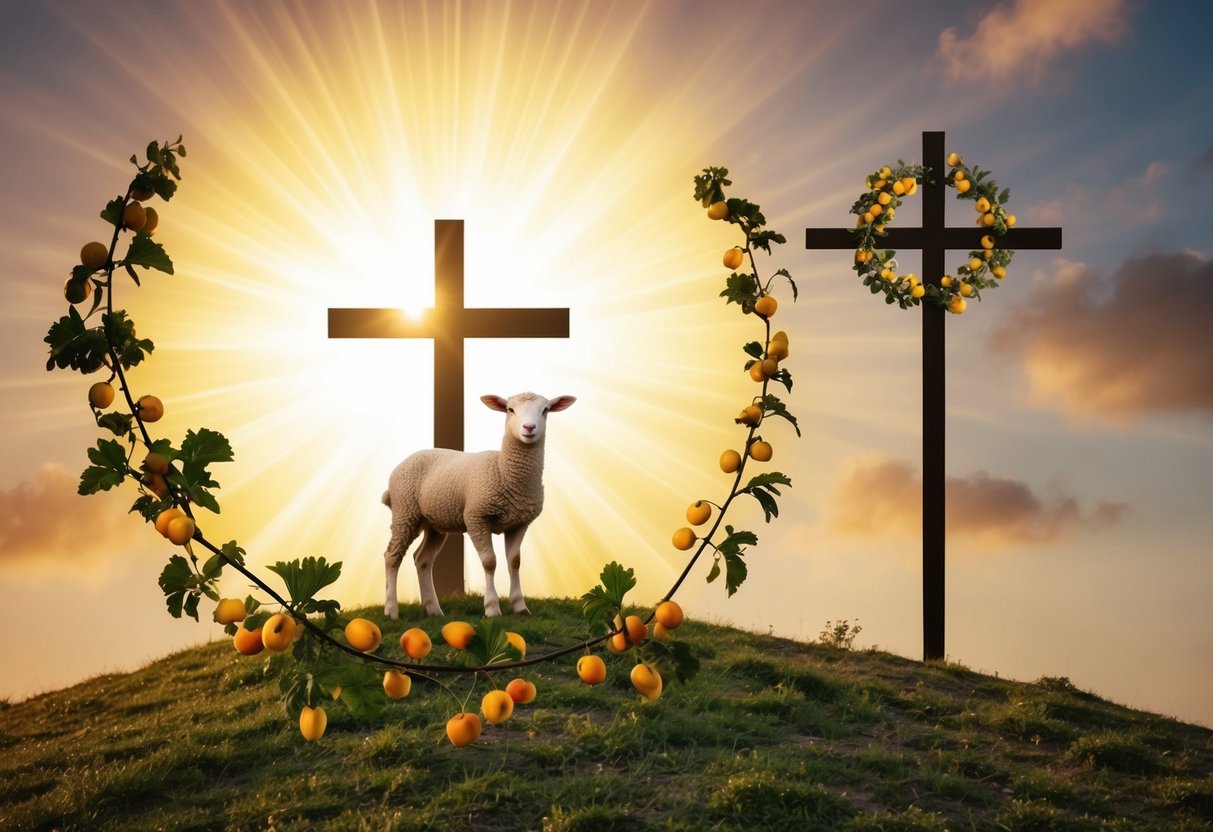
Many names and titles for Jesus reflect deep meanings. They use symbols and metaphors to convey his nature and purpose. This section will explore agricultural metaphors and light and life metaphors that define his character.
Agricultural Metaphors
One important agricultural metaphor is the True Vine. This symbolizes Jesus as the source of spiritual nourishment. He emphasized that believers must remain connected to him to bear fruit (John 15:5).
Another key title is the Bread of Life. This name indicates that Jesus provides sustenance for spiritual life. In John 6:35, he explains that those who come to him will never hunger or thirst.
These metaphors highlight his role in meeting humanity’s needs. They clarify how Jesus fulfills both physical and spiritual hunger.
Light and Life Metaphors
Jesus is often referred to as Light. This symbolizes guidance and truth in a dark world. In John 8:12, he claims, “I am the light of the world,” indicating that those who follow him will not walk in darkness.
He is also known as The Way. This title signifies that he is the path to God. In addition, Jesus is called The Word. This represents his role in revealing God’s message and truth.
The titles First and the Last, and Alpha and Omega emphasize his eternal nature. They express that he exists beyond time, encompassing beginning and end.
These names and titles reflect essential truths about Jesus’ identity and purpose in spiritual life.
Jesus’ Mission and Ministry
Jesus played a crucial role as a teacher and healer during His time on Earth. His mission focused on salvation and guiding people in their spiritual journeys. Through His actions and teachings, He demonstrated His authority and compassion, shaping the lives of many.
Teacher and Rabbi
As a teacher, Jesus was known for sharing profound spiritual truths through parables and direct teachings. He often engaged with His followers, helping them understand the deeper meaning of faith and ethical living.
His role as a rabbi indicated that He held a respected position in Jewish society. Jesus taught about the Kingdom of God, emphasizing love, forgiveness, and repentance. His teachings encouraged people to seek a personal relationship with God.
One significant aspect of His teaching was the Sermon on the Mount, where He outlined key principles of the Christian faith. These lessons remain foundational to Christian teaching today.
Miracles and Signs
Miracles were a vital part of Jesus’ ministry, showcasing His divine power as a healer.
He performed many acts of healing, including restoring sight to the blind and curing the sick. These miracles were not just displays of power; they were also signs of His compassion for those in need.
Jesus also performed nature miracles, such as calming storms and walking on water. Each miracle served to reinforce His identity as the Son of God and a master healer.
These acts of wonder inspired faith in many who witnessed them. They established Jesus as a savior for those seeking hope and restoration in their lives.
Eschatological and Heavenly Titles
Eschatological and heavenly titles for Jesus highlight his divine authority and role in future events. These titles reflect expectations about his kingdom, judgment, and ultimate victory.
Kingdom and Authority
Jesus is known as the King of Kings and the Lord of Lords. These titles emphasize his supreme authority over all rulers and nations. In Revelation 19:16, he is portrayed as reigning with power that surpasses earthly authority.
Another significant title is the Lion of the Tribe of Judah. This signifies strength, sovereignty, and the fulfillment of God’s promises to His people. Jesus’s lineage from Judah underscores his rightful claim to the throne of David.
These titles reveal the nature of his kingdom, which is often described as one of peace, justice, and righteousness. Additionally, he is the Faithful and True Witness. This title assures believers of his unwavering truth and integrity.
Second Coming Expectations
The Second Coming of Jesus is a central theme in Christian eschatology. At this time, he will return as the Righteous Judge.
This indicates that he will judge the living and the dead fairly and justly.
Believers anticipate his return to establish his eternal kingdom.
In Revelation 22:12, Jesus asserts that he will reward each person according to their deeds.
His return is also marked by glory and power. This reinforces the expectation that he will restore creation and fulfill God’s ultimate plan.
As the Faithful and True, he embodies the hope for all who believe.
