
“Touchdown Jesus” is an iconic mural located on the Hesburgh Library at the University of Notre Dame. Officially known as the “Word of Life,” this mural stands 134 feet tall and depicts Jesus with outstretched arms. This creates a striking visual that has become a beloved symbol for the university and its football culture.
Many Notre Dame fans recognize this mural as a beacon of hope, especially during game days when it is prominently featured during broadcasts.
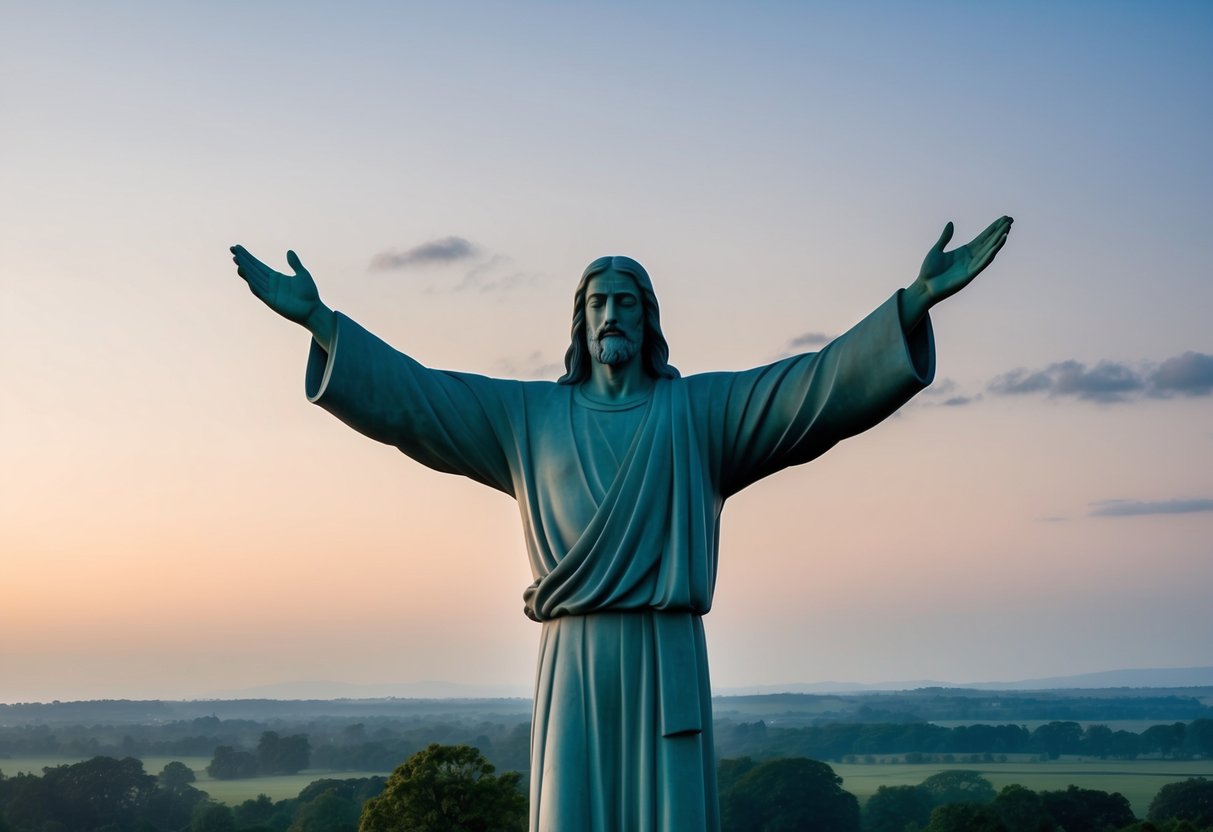
The mural’s history dates back to its installation in 1964, and it has since captured the essence of what Notre Dame represents—faith, community, and a commitment to excellence.
From its significant size to its meaningful design, Touchdown Jesus serves as both a spiritual and cultural landmark for students, alumni, and visitors. The imagery resonates deeply, tying together the themes of sports and faith in a unique way that few other places can claim.
As the university’s football games attract thousands, those in attendance often pause to appreciate the mural’s significance. It reflects not just the excitement of the game, but also the pride of being part of such a storied institution. Touchdown Jesus continues to inspire and connect generations of Notre Dame fans, making it an essential part of the campus experience.
The Creation of Touchdown Jesus
The creation of Touchdown Jesus involved a talented artist and a distinctive mural design. This landmark piece on the campus of Notre Dame is widely recognized for its scale and significance.
The Artist: Millard Sheets
Millard Sheets was the visionary artist behind Touchdown Jesus. He was known for his innovative approach to creating large murals.
Sheets crafted this work as part of the design for the Hesburgh Library, which opened in 1963. His style combined elements of realism and abstraction, allowing the artwork to evoke powerful emotions.
The mural was designed to inspire students and visitors alike, using a religious theme that resonates with many. Sheets was also involved in various public art projects throughout his career.
Word of Life Mural’s Characteristics
The mural, officially named the Word of Life, measures an impressive 134 feet in height and 68 feet in width. It contains 324 panels, each intricately designed and made from granite. This choice of material adds durability while providing a unique visual texture.
The piece features a depiction of Jesus raising his arms, symbolizing victory and hope. This pose has led to its nickname, Touchdown Jesus, especially among football fans.
The mural is strategically placed so it can be seen from the Notre Dame Stadium, enhancing its connection to the university’s sports culture.
Touchdown Jesus and Notre Dame University
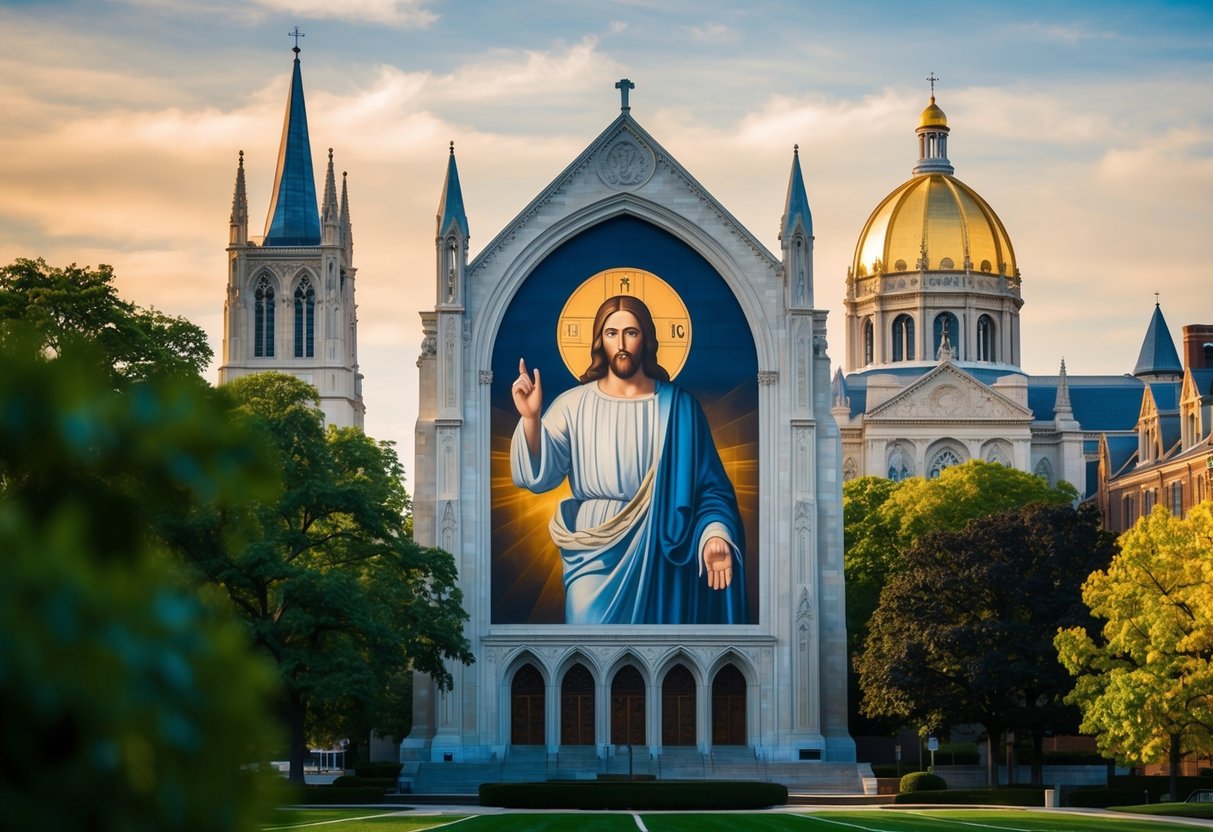
The iconic “Touchdown Jesus” mural plays a vital role in the life and culture of Notre Dame University. It connects the university’s athletic heritage with its rich history and spiritual identity. This section explores how the mural integrates with Notre Dame Stadium and its significance to Notre Dame Football.
Integration with Notre Dame Stadium
“Touchdown Jesus” is located on the Hesburgh Library, making it a prominent feature in the view from Notre Dame Stadium. The mural’s raised arms symbolize triumph and inspiration, perfectly aligning with the spirit of the university’s athletes.
During home games, fans often look up at the mural at the end of each touchdown, reinforcing a sense of community and faith. The mural also serves as a backdrop for many important moments at the university.
As players enter the field, they are greeted by this iconic image, elevating their connection to the school’s values. Father Theodore Martin Hesburgh, the library’s namesake, was a president of Notre Dame who emphasized the integration of faith and education, making the mural even more meaningful.
Significance to Notre Dame Football
“Touchdown Jesus” has become synonymous with Notre Dame Football. The mural is often featured during broadcasts of games, capturing the attention of viewers across the nation.
It serves as a beacon of hope and pride for fans and players alike. The connection to athletes like Heisman winner John Huarte highlights the university’s rich sports history.
This connection elevates the mural from mere artwork to a symbol of excellence in American universities and Catholic schools. The presence of the mural at a time of celebration during touchdowns creates a unique atmosphere, solidifying its importance in Notre Dame’s football culture.
Cultural Impact and Symbolism
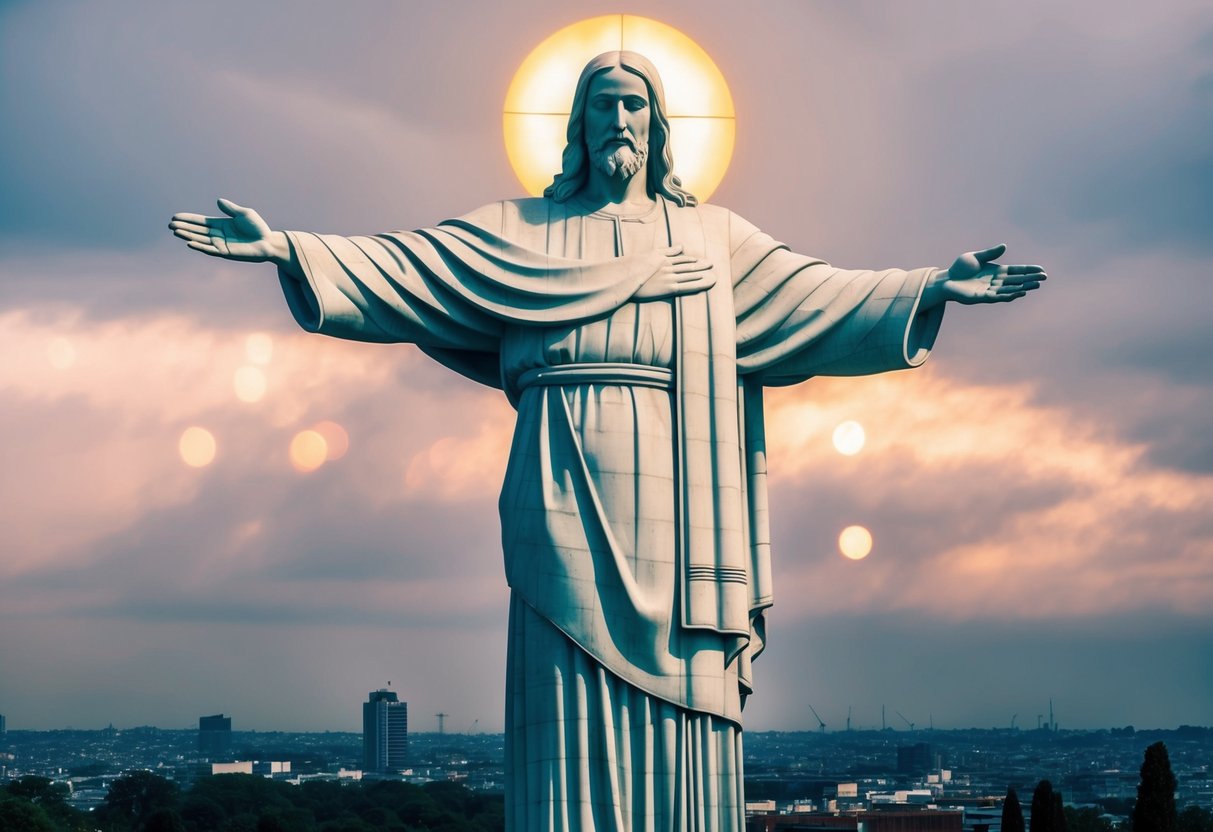
Touchdown Jesus serves as a powerful cultural icon, deeply rooted in the identity of the University of Notre Dame. It reflects both the religious and educational values of American universities, particularly within Catholic institutions. Its influence extends into media representations and theological discussions.
Representation in Media
Touchdown Jesus has appeared in various forms of media, influencing how sports and spirituality intersect. The image is often used symbolically in television shows and films to represent faith and perseverance.
Comedians like Heywood Banks have incorporated the mural into their routines, adding a layer of humor and commentary on the mix of religion and athletics. Documentaries and articles explore its significance, highlighting how the image resonates with diverse audiences.
The mural symbolizes a blend of cultural pride, faith, and community, making it a relevant topic in both sports and religious discussions.
Religious and Educational Symbolism
At its core, Touchdown Jesus embodies the ideals of Christ and the Saints of Learning, bridging the gap between athletic success and spiritual fulfillment. This connection aligns with the broader goals of Catholic schools and American universities, promoting moral education alongside academic achievement.
Throughout history, theologians such as Augustine of Hippo and Thomas Aquinas have emphasized the importance of integrating faith with knowledge. Touchdown Jesus stands as a testament to these principles, encouraging students to seek wisdom while remaining grounded in their faith.
Its presence at Notre Dame serves as a reminder of the university’s mission, fostering a community that values both education and spirituality.
Related Monuments and Comparisons
There are several notable monuments related to “Touchdown Jesus.” These include the famous “King of Kings” statue and other significant religious statues. Each has its own story, including destruction and replacement, illustrating the cultural impact of these representations.
The ‘King of Kings’ Statue
The “King of Kings” statue was erected by Solid Rock Church in Monroe, Ohio. Standing 62 feet tall, it depicted Jesus with open arms, earning the nickname “Big Butter Jesus.” This statue became a landmark for travelers on Interstate 75.
In 2010, the statue was destroyed by a lightning strike, sparking much media attention. The church replaced it with a new statue named “Lux Mundi,” completed in 2012.
At 52 feet, this replacement continues the tradition of large religious monuments in the area. The original statue not only represented Christianity but also became part of local culture. It inspired parodies, such as the song “Big Butter Jesus” by comedian Heywood Banks.
Other Religious Statues and Their Fates
Aside from “Touchdown Jesus,” many large religious statues exist around the world, each with unique stories. For example, Brazil’s Christ the Redeemer statue stands tall on Corcovado Mountain, attracting millions each year.
Not all monuments are as lucky. Some have faced destruction or damage due to natural disasters or human actions. In fact, 16 countries have seen similar incidents involving religious statues.
These events highlight the fragility of these giant structures, making the endurance of statues like “Lux Mundi” even more remarkable. The history and fate of these statues remain critical to understanding their cultural significance and the public’s connection to them.
Ongoing Legacy and Preservation
The ongoing legacy of Touchdown Jesus involves a combination of maintenance efforts to preserve its beauty and the impact of Notre Dame Stadium expansion on its visibility. Its significance in Notre Dame culture continues to grow as it symbolizes the spirit of the university and its football team.
Maintenance and Restoration Efforts
The Word of Life mural, affectionately called Touchdown Jesus, requires regular maintenance to ensure its preservation. The mural is located on the southern façade of the Hesburgh Library.
Notably, specific restoration has taken place, such as the recent work done by Bryan Gundlach of C&S Masonry Restoration. This work includes cleaning and reinforcing 5,700 individual pieces of stone that make up the mural.
The maintenance efforts aim to address wear and tear caused by weather and time. Ongoing checks help avert major issues, keeping the mural vibrant for future generations. These initiatives ensure the mural remains a proud symbol of the university’s identity.
Notre Dame Stadium Expansion and Its Impact
The expansion of Notre Dame Stadium has changed the visibility of Touchdown Jesus for fans attending games.
Originally, its iconic image was visible from numerous seats in the stadium. This mural faces south, and during games, the Notre Dame Football Team can be seen beneath its watchful gaze.
Notable figures, such as Jack Snow, have integrated this visual into the gameday experience.
The expansion altered how fans view both the mural and the stadium’s architecture.
Despite these changes, Touchdown Jesus remains a beloved landmark, demonstrating its lasting impact on Notre Dame culture.
