
Many people wonder about the beauty and features of heaven and quietly ask themselves, what does heaven look like beyond the symbolic images we often hear about?
The Bible describes heaven as a magnificent city filled with peace, joy, and the glory of God, where His presence is at the very center of everything.
It is often depicted with streets of gold, shimmering gates made of pearls, and a radiant light that surrounds its inhabitants.
This divine place, shown most vividly in the book of Revelation, is said to bring eternal happiness, perfect comfort, and a completely restored creation for all who belong to Christ.
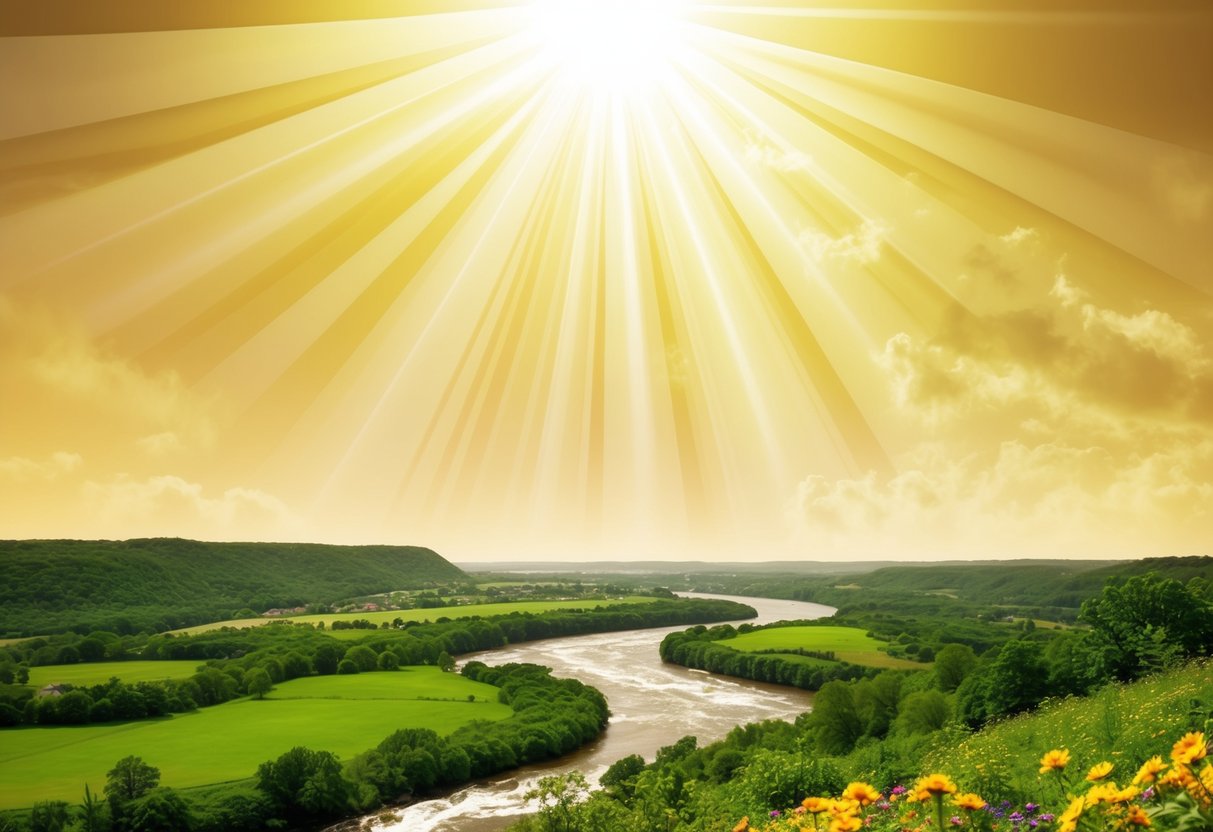
In exploring what heaven will look like, many references from scripture reveal a vibrant landscape, including rivers of life and trees that bear fruit. The New Jerusalem, as mentioned, is a central theme in these descriptions, illustrating a perfect environment that reflects God’s love and creativity.
Curiosity about heaven leads individuals to search for deeper meanings and connections to their faith.
As they consider the glimpses provided in religious texts, they may envision a place that surpasses earthly beauty, filled with hope and promise.
Conceptualization of Heaven
The idea of heaven is rich with meaning and varies across different perspectives.
Understanding its representation in the Bible, its theological implications, and whether it is considered a physical or spiritual realm provides a clearer picture of what heaven symbolizes.
Biblical References to Heaven
In the Bible, heaven is often depicted as a place of eternal peace and joy. It is where God resides and where believers hope to go after death.
The Book of Revelation describes a vision of heaven as the “New Jerusalem.” This city is characterized by magnificent gems and pure light, signifying its beauty and purity.
Scriptural references emphasize that heaven is distinct from earthly existence. For example, Psalm 19:1 notes that “the heavens declare the glory of God.”
This implies that heaven reflects God’s majesty, serving as a reminder of His power and grace. The Bible illustrates heaven as a realm filled with the presence of God, angels, and the redeemed.
Heaven in Theology
Theological discussions about heaven often center on concepts like salvation and the Kingdom of Heaven. Many theologians view heaven as the final destination for souls who accept God’s grace.
It is believed to be a place that offers a complete relationship with God, free from sin and suffering.
The Kingdom of Heaven is a recurring theme in Jesus’ teachings. He described it not just as a future hope but also as a present reality that can be experienced on earth.
This dual perspective helps believers understand how heaven interacts with their daily lives. It offers them a vision of life transformed through faith and love.
Heaven as a Physical or Spiritual Realm
Views on whether heaven is a physical or spiritual place vary.
Some believe it is a literal location, a New Jerusalem coming down from heaven, as described in Revelation 21. They visualize heaven as an actual city filled with light and divine beauty.
Others see heaven more as a spiritual state, emphasizing a profound communion with God. In this view, heaven transcends physical existence and can be experienced in the present through faith.
This perspective focuses on the qualities of heaven—love, peace, and the presence of God—rather than its physical characteristics.
These different interpretations shape how people conceptualize and relate to heaven in their faith journeys.
Descriptions from the Book of Revelation
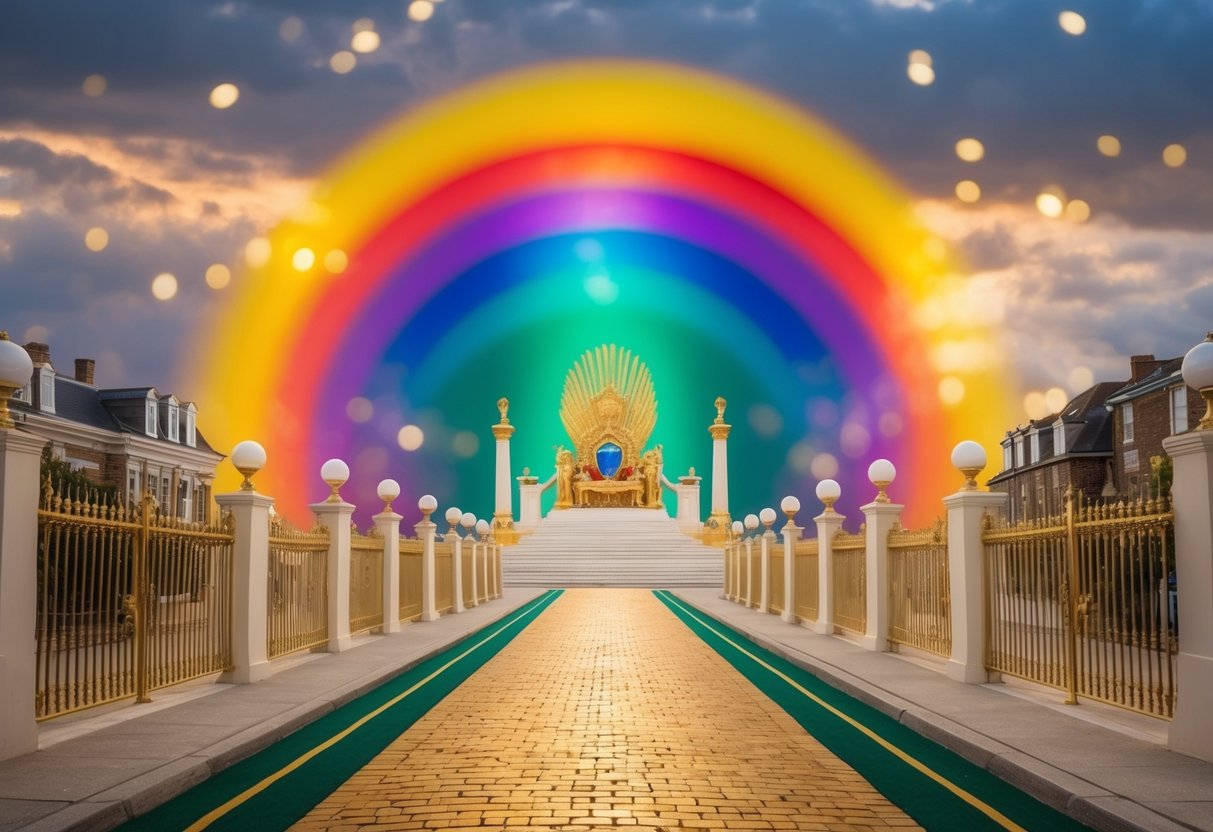
The Book of Revelation provides vivid imagery of heaven, especially in its descriptions of the New Jerusalem and the Throne of God. These passages highlight the beauty, peace, and divine presence found in this heavenly city.
Imagery of the New Jerusalem
Revelation describes the New Jerusalem as a radiant city, full of precious materials. In Revelation 21:2, it is presented as a beautifully adorned bride. The walls of the city are made of jasper, and the streets are paved with gold, creating a stunning visual.
The city has twelve gates, each made of a single pearl. These gates welcome the faithful into a place where they can dwell with God. Revelation 21:4 reassures that there will be no more pain or sorrow in this holy city.
God’s glory illuminates the New Jerusalem, eliminating any need for sun or moon, as mentioned in Revelation 21:23.
The Throne of God and River of Life
Central to the New Jerusalem is the Throne of God, a symbol of divine authority and presence.
Revelation 22:1 introduces the River of the Water of Life, flowing from this throne. This river symbolizes purity and the sustenance provided by God.
The Tree of Life, mentioned in Revelation 22:2, grows beside the river, offering healing for the nations. This highlights the abundance and peace found in heaven.
The descriptions convey a place where God lives among His people, with no night or darkness to be found. Such imagery emphasizes the eternal joy and safety of those who reside in this divine paradise.
Experiences and Emotions in Heaven

In heaven, individuals will experience deep emotions and moments that reflect their closeness to God. Joy and worship are central themes, offering people a chance to express their gratitude and love.
Peace and comfort will provide a sense of security, free from the struggles of earthly life.
Joy and Worship
Joy in heaven is profound and everlasting. People will feel an overwhelming sense of happiness as they bask in the presence of God. This joy is not fleeting but a constant state of being.
Worship will be vibrant and filled with praise. Individuals will join together in expressing love and admiration for God.
This collective worship will create a powerful atmosphere, where the glory of God is celebrated. The Bible describes scenes of rejoicing, where inhabitants of heaven are seen praising, “Let us rejoice and be glad” (Revelation 19:7).
Each moment of worship reinforces the connection between people and their Creator, strengthening their feelings of belonging and acceptance.
Peace and Comfort
Heaven provides an environment of deep peace. People will no longer face fears, worries, or anxieties. This peace is a gift from God, offering complete reassurance.
Comfort is ever-present. Individuals will find solace in knowing they are free from pain and suffering. The atmosphere is one of safety and warmth, allowing everyone to relax fully.
These experiences create a nurturing space for love to thrive. In heaven, every emotion reflects God’s goodness, ensuring that peace transforms the hearts of all who reside there.
Contrasts Between Heaven and Earth
Heaven and Earth present stark differences, particularly in how they handle suffering and the nature of life itself. These contrasts shape the understanding of what awaits beyond earthly existence.
Absence of Suffering
One major difference between heaven and Earth is the absence of suffering. In heaven, there is no pain, tears, or sorrow. Revelation 21:4 emphasizes this idea, stating, “He will wipe every tear from their eyes.” This suggests a state of perfect peace and joy.
On Earth, suffering is a common experience. People face illness, loss, and emotional turmoil. Heaven, by contrast, offers a new reality where these struggles do not exist.
With the promise of a new earth, it is believed that former struggles will fade away completely.
Eternal Life versus Mortality
Heaven is defined by eternal life, while Earth is marked by mortality. In heaven, life continues forever in the presence of the Creator. This eternal existence brings a sense of fulfillment, joy, and completeness.
Earthly life is temporary and finite. People experience aging, death, and the associated fears. The promise of a new earth allows believers to look forward to life without end.
Heaven offers security and permanence that stands in stark contrast to the fragile nature of earthly existence.
Heaven’s Inhabitants and Conditions
In heaven, the inhabitants experience resurrection and righteousness in a perfect setting. The conditions are unlike anything on Earth, filled with the presence of God and eternal peace.
Resurrected Bodies and Righteous Dwellers
Heaven is described as a place where the righteous dwell, transformed through resurrection. These individuals receive new, glorified bodies that are both physical and immortal. They will not suffer, experience pain, or confront death, as outlined in Revelation 21:4.
The bodies in heaven are vibrant, free from flaws, and perfectly designed to exist in God’s presence. This reflects the promise of eternal life, where believers find their ultimate home.
The righteous enjoy a fulfilling existence, connected to one another and to God.
Additionally, there are mentions of magnificent dwellings, often referred to as mansions. These homes signify comfort and peace, tailored to their inhabitants. The community is one that embodies love and unity.
Living in the Presence of God
One central aspect of heaven is the unbroken presence of God. Individuals worship Him in a city described as the “Living God” and are enveloped in divine light.
Revelation 21:22 tells of no temple because God and the Lamb are present, indicating direct communion with the Creator.
In this space, believers experience perfect peace and joy. There’s no need for the sun or moon, as God’s glory illuminates everything.
The Tree of Life, mentioned in Revelation 22:2, offers sustenance, representing ongoing health and vitality.
Life in heaven is not only eternal but filled with purpose and richness. The feelings of love and spiritual fulfillment exceed any worldly experience.
Heaven stands as the ultimate destination for those who seek righteousness, where they can dwell in harmony with the divine.
