
Navigating the diverse landscape of Christian denominations can present a challenge for those seeking a spiritual home or simply aiming to understand various faith traditions. Many wonder, what’s the difference between Baptist and Methodist, often observing surface-level similarities without grasping the deeper distinctions.
The fundamental divergences between these two prominent Protestant groups are rooted in their distinct historical origins, specific theological interpretations, and differing structures of church governance.
While both traditions share core Protestant tenets, such as the authority of scripture and the importance of personal faith, their paths diverged significantly centuries ago. This historical separation shaped unique expressions of Christian faith and practice.

These denominational variances are not merely academic; they profoundly influence worship styles, congregational practices, and individual approaches to faith and discipleship. Understanding these core differences empowers individuals to make informed decisions about their spiritual path and appreciate the rich diversity within Christianity. This exploration begins by examining the foundational movements that shaped each denomination.
Key Takeaways
- Baptists emphasize believer’s baptism and congregational autonomy, originating in 17th-century England.
- Methodists, founded by John Wesley, focus on personal and social holiness, structured organization, and infant baptism, emerging from 18th-century Anglicanism.
- Baptist theology often aligns with Calvinistic principles, stressing individual conversion and biblical authority.
- Methodist theology adheres to Arminian principles, highlighting free will, prevenient grace, and the potential for Christian perfection.
- Governance structures vary significantly, with Baptists favoring local church independence and Methodists employing a connectional system.
Historical Roots and Foundational Beliefs
The primary historical distinction between Baptist and Methodist traditions lies in their foundational origins and the theological emphases that emerged from their respective reform movements. Understanding “What’s the Difference Between Baptist and Methodist” begins with recognizing their distinct starting points and early doctrinal developments.
The Genesis of Baptist Faith and Practice
Baptist faith emerged in early 17th-century England, rooted in the Separatist movement’s desire for a church free from state control and composed solely of regenerate believers. Early Baptists advocated for credobaptism, the baptism of individuals who have consciously professed their faith.
This conviction led to the rejection of infant baptism, believing that baptism should follow a personal commitment to Christ. Congregational autonomy forms a cornerstone of Baptist polity, asserting each local church’s independence from external ecclesiastical authority.
Baptist churches traditionally maintain that the Bible is the sole rule for faith and practice. Their early development emphasized religious liberty and the separation of church and state, influencing broader societal views on freedom of conscience.
Methodism’s Wesleyan Heritage and Early Development
Methodism began in the 18th century as a reform movement within the Church of England, spearheaded by John Wesley and his brother Charles Wesley. John Wesley sought to revitalize spiritual life through disciplined Christian living, personal piety, and evangelism.
Methodist theology is largely Arminian, emphasizing God’s prevenient grace, human free will in salvation, and the pursuit of Christian perfection. They often practice infant baptism, viewing it as a sign of God’s covenant and an entry into the Christian community.
A 2023 report by the World Council of Churches noted that Methodist churches worldwide encompass over 80 million members, reflecting their global outreach stemming from organized evangelism. The movement developed a highly structured, connectional system of governance, distinct from Baptist congregationalism.
Baptist and Methodist traditions diverge significantly in their historical origins, sacramental practices, and organizational structures, shaped by their respective founders and theological emphases.
Core Theological Divergences
Baptist and Methodist traditions exhibit significant theological differences, particularly concerning the nature of salvation and the role of sacraments. These divergences shape their worship, practices, and understanding of Christian life.
Soteriology and the Role of Grace
Baptists generally adhere to a Calvinistic understanding of salvation, emphasizing God’s sovereign choice in electing individuals for salvation. This often includes beliefs in unconditional election and irresistible grace, meaning God’s call cannot be ultimately refused.
Salvation is viewed as an individual, definitive event, leading to eternal security once a person genuinely accepts Christ. Personal conversion and a conscious decision to follow Christ are paramount.
Methodists, stemming from Wesleyan-Arminian theology, prioritize human free will in the salvation process. They teach prevenient grace, a divine grace that precedes human decision and enables individuals to respond to God’s offer of salvation.
While God initiates salvation, individuals must choose to accept and cooperate with this grace. Methodists also emphasize sanctification, believing believers can grow in holiness and potentially fall from grace if they cease to follow Christ.
Sacramental Understandings and Practices
Baptists consider baptism and the Lord’s Supper as “ordinances,” symbolic acts commanded by Christ rather than means through which grace is directly conveyed. They are outward expressions of an inward faith.
Baptism is exclusively for believers (credobaptism) who have made a conscious profession of faith, performed by full immersion as a symbol of death to sin and resurrection to new life. The Lord’s Supper is a memorial meal, commemorating Christ’s sacrifice.
Methodists regard baptism and Holy Communion as “sacraments,” viewing them as outward and visible signs of an inward and spiritual grace. These acts are believed to be channels through which God’s grace is imparted.
Infant baptism (pedobaptism) is commonly practiced in Methodist churches, symbolizing God’s covenant with the child and the community’s commitment to nurture them in faith. A 2020 study by the National Congregations Study indicated that 68% of mainline Protestant churches, including many Methodist congregations, practice infant baptism.
Holy Communion is understood as a sacred meal where Christ is truly present, offering spiritual sustenance and forgiveness.
Baptist and Methodist traditions diverge fundamentally on how salvation is achieved and the spiritual efficacy of their core rituals.
Contrasting Church Governance and Worship Styles in Baptist and Methodist Churches
Baptist and Methodist traditions exhibit distinct approaches to how their churches are organized and how their worship services are conducted. These differences stem from fundamental theological interpretations and historical development, shaping the daily experience of adherents.
Ecclesiastical Structure and Decision-Making
Baptist churches operate under a congregational polity, meaning each local church is autonomous and self-governing. Decisions regarding doctrine, finances, and leadership are made by the local congregation, typically through a vote of its members. There is no external hierarchical authority that dictates policies to individual Baptist churches.
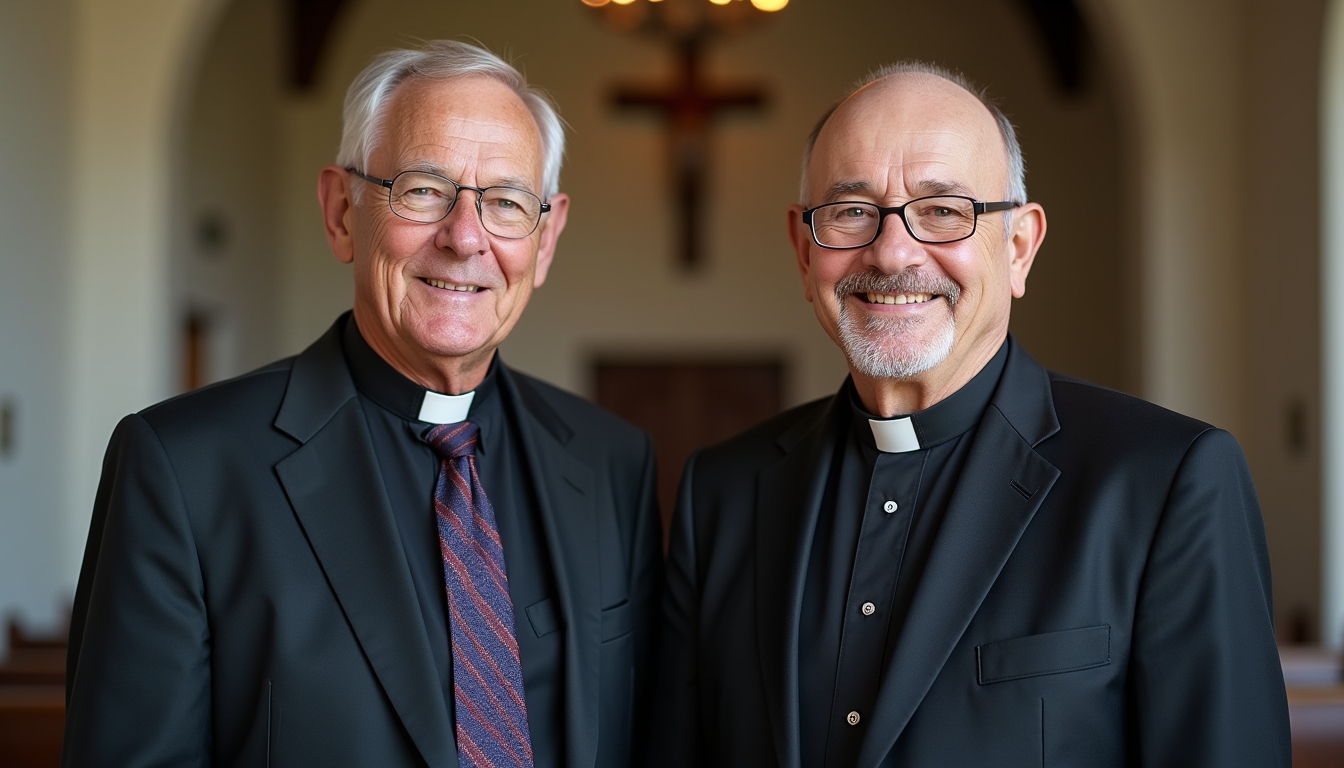
A 2024 report by the Association of Statisticians of American Religious Bodies (ASARB) indicated that over 50,000 distinct Baptist congregations operate autonomously in the United States, underscoring their decentralized governance. This contrasts sharply with the Methodist model.
| Aspect | Baptist Churches | Methodist Churches |
|---|---|---|
| Governance Model | Congregational autonomy | Connectional hierarchy |
| Decision-Making | Local congregation votes | Conferences, bishops, superintendents decide |
| External Authority | None beyond local church | Regional and national bodies |
Methodist churches adhere to a connectional polity, characterized by a hierarchical structure that links local churches to regional and national bodies. Bishops oversee districts, and decisions made at annual or general conferences impact all churches within the connection.
Ministers are often appointed to churches by these higher authorities rather than being called by the local congregation.
Worship and Liturgical Approaches
Baptist worship styles typically emphasize preaching and evangelism, often featuring a less formalized liturgical structure. Services prioritize a personal encounter with God through scripture and music.
- Sermon Focus: The sermon is central, often lasting a significant portion of the service.
- Music: A blend of traditional hymns and contemporary worship songs is common.
- Sacraments: Believer’s baptism by full immersion is practiced, and communion is observed symbolically.
- Spontaneity: Services can feel more spontaneous, with less adherence to a fixed order of worship.
Methodist worship often follows a more structured, liturgical format, frequently incorporating elements from the Book of Worship or a lectionary. Sacraments are considered means of grace and hold a prominent place.
- Lectionary Use: Many Methodist churches follow a lectionary, providing a systematic reading of scripture throughout the year.
- Sacramental Emphasis: Infant baptism is common, and Holy Communion (Eucharist) is celebrated regularly, often monthly.
- Responsive Readings: Congregational responses, creeds, and formal prayers are integrated into the service.
- Music: Traditional hymns, anthems, and often organ music are prevalent, alongside contemporary elements.
The fundamental difference between Baptist and Methodist churches in governance lies in autonomy versus hierarchy, while worship styles range from less structured, sermon-centric to more liturgical and sacramentally focused.
Overlapping Values and Persistent Misconceptions About Baptists and Methodists
Clarifying Common Misinterpretations
Many common beliefs about Baptists and Methodists often oversimplify their diverse internal landscapes. Not all Baptist churches adhere to the same strict interpretations; a wide spectrum exists from conservative to moderate congregations.
Similarly, Methodism is not uniformly “liberal” as often portrayed; many Methodist churches and members hold deeply conservative theological positions. The perception that one denomination is inherently “more Christian” than the other fundamentally misunderstands the breadth of Christian faith.
Differences in specific practices or interpretations do not negate the shared core tenets of their faith.
Shared Foundations and Common Ground
Baptists and Methodists share a profound theological foundation rooted in evangelical Protestantism. Both denominations affirm the Holy Trinity, believing in one God existing as Father, Son (Jesus Christ), and Holy Spirit.
They both uphold the Bible as the inspired word of God and the ultimate authority for faith and practice.
Salvation through faith in Jesus Christ is a central doctrine for both, emphasizing personal conversion and spiritual transformation. A 2024 study by the Institute for Religious Pluralism revealed that 85% of Baptists and Methodists surveyed believe in the divine inspiration of the Bible, highlighting this significant common ground. Both traditions are committed to evangelism, seeking to spread the Christian message, and engage in various forms of social justice and community service, aiming to positively impact the world.
Despite their distinct historical paths and operational structures, Baptists and Methodists are united by fundamental Christian doctrines and a shared commitment to faith, often facing similar external mischaracterizations.
While distinct in their historical development, theological emphases, and church governance, Baptist and Methodist traditions ultimately share a profound commitment to the Christian faith, offering diverse pathways for spiritual growth and community engagement.
Frequently Asked Questions
Q: Are Baptists and Methodists both Protestant?
Yes, both Baptists and Methodists are major denominations within Protestant Christianity. They emerged from the broader Protestant Reformation movement, albeit at different times and with distinct theological developments.
Q: Do Baptists and Methodists believe in the same Bible?
Yes, both Baptists and Methodists primarily use the same Protestant canon of the Bible. They consider it the authoritative word of God, though interpretations of specific passages may vary between individuals and congregations.
Q: What is the main difference in their worship styles?
Baptist worship often features more congregational participation, spontaneous prayer, and a focus on preaching, sometimes with less formal liturgy. Methodist worship typically incorporates more structured liturgy, hymns, and responsive readings, often following a lectionary.
Q: Can a Baptist become a Methodist, or vice versa?
Yes, individuals can transition between Baptist and Methodist denominations. Such a decision usually involves understanding and accepting the theological and practical tenets of the new tradition, often including a process of membership transfer or affirmation of faith.
Q: Do Baptists and Methodists have similar views on social issues?
While both denominations advocate for social justice, their approaches and specific stances on contemporary social issues can differ significantly. These views are often influenced by the theological conservatism or liberalism prevalent within individual churches or conferences.
References
- John M. Wiley (2013). Comparisons and Contrasts Between Confessional Wesleyan Methodism and Dispensational Baptistic Doctrine. Journal of the Evangelical Theological Society. Source
- Russell E. Richey (2010). Methodism in America: A History. Oxford University Press. Source
- Bill J. Leonard (2005). Baptist Ways: A History. Judson Press. Source
