
The Ascension of Jesus is a significant event in Christian theology, marking the moment He returned to Heaven after His resurrection. Many believers and scholars ask: when did Jesus ascend into Heaven?
According to the New Testament, this miraculous event occurred exactly 40 days after His resurrection from the dead.
This ascension is seen not only as a physical return to the divine but also as a pivotal point that emphasizes His exalted status as Lord and Christ. The event holds deep theological meaning for Christians worldwide, representing the completion of Jesus’s earthly ministry and His glorification at the right hand of the Father
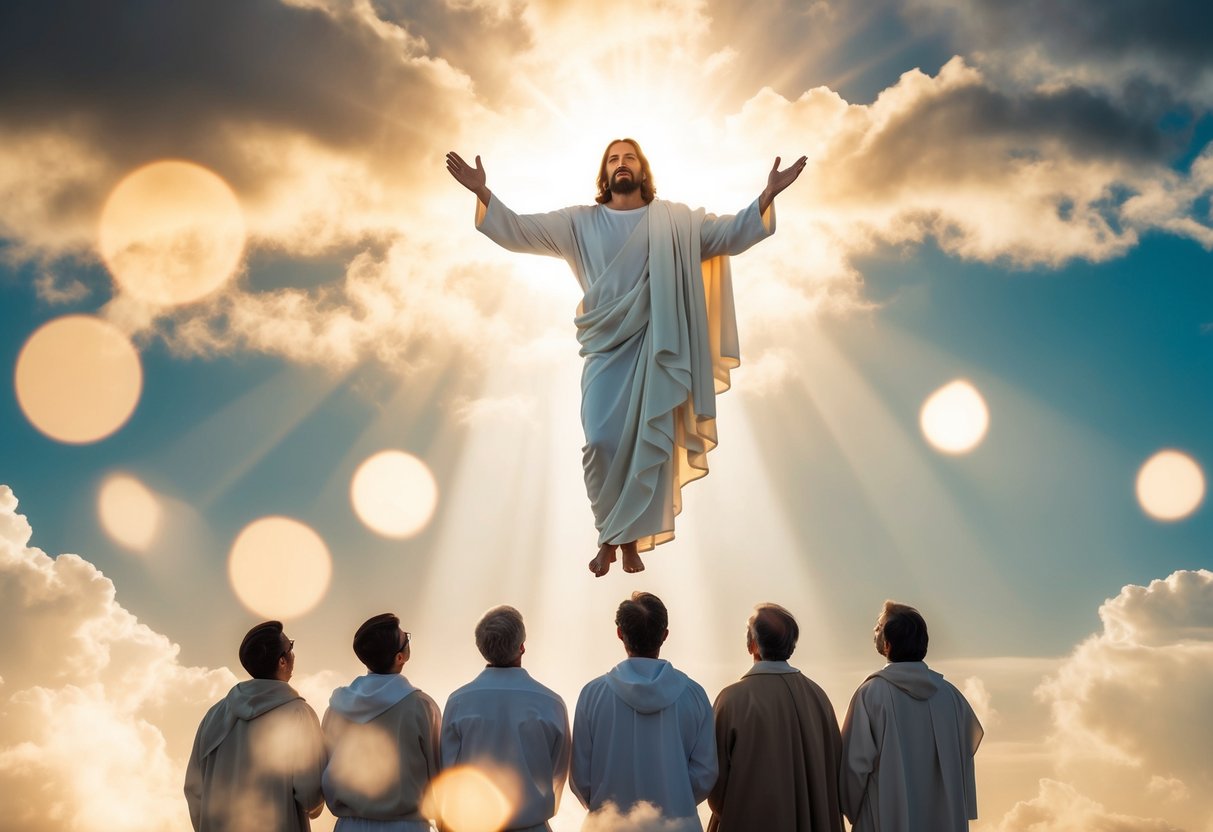
Various accounts in the New Testament, particularly in the Gospel of Luke and the Book of Acts, detail this moment.
Witnesses observed Jesus ascending gradually, reinforcing the belief that His return to Heaven was literal and miraculous.
Understanding this event provides deeper insight into its importance within Christianity and its impact on believers.
The Ascension is celebrated by Christians worldwide, often referred to as Ascension Day, highlighting its role in the broader narrative of Jesus’ life, death, and resurrection. This article will explore the timing, significance, and biblical basis for the Ascension, inviting readers to reflect on its meaning in their faith.
Biblical Accounts of the Ascension
The Ascension of Jesus is described in several parts of the New Testament. These accounts provide different perspectives on the event and emphasize its significance. They illustrate how his ascension was a culmination of his earthly ministry.
Luke’s Description
Luke provides a detailed account of the Ascension in two passages: Luke 24:50-51 and Acts 1:9-11. In Luke 24, Jesus blesses his disciples before being taken up into heaven. This moment is significant as it marks the end of his physical presence with them.
The Acts of the Apostles gives further information, stating that Jesus was lifted up as the disciples watched. The text emphasizes that his ascension was visible and impactful, deeply affecting those present. Luke’s writings present the ascension as both a miraculous event and a fulfillment of Jesus’ mission.
Mark’s Brief Mention
Mark’s account of the Ascension is much briefer compared to Luke’s detailed narrative. In Mark 16:19, it states, “So then, after the Lord had spoken to them, he was received up into heaven.” This succinct description emphasizes the event but lacks the surrounding context provided by Luke.
Mark’s gospel highlights the authority of Jesus in his ascension, reinforcing the idea that he returned to his rightful place with God. Though it is less detailed, it still conveys the essence of this pivotal moment for the early followers of Jesus.
References in Other Gospels
The other Gospels, John and Matthew, do not describe the Ascension directly. However, they imply its significance through the teachings of Jesus before his departure.
In John, the idea of returning to the Father is present, shaping how early Christians understood the ascension. Matthew closes with the Great Commission, highlighting Jesus’ ongoing authority even after his ascension. While the specifics may differ, each Gospel contributes to the understanding of the Ascension as a central event in Christian belief, solidifying Jesus’ position in heaven.
The Significance of the Ascension
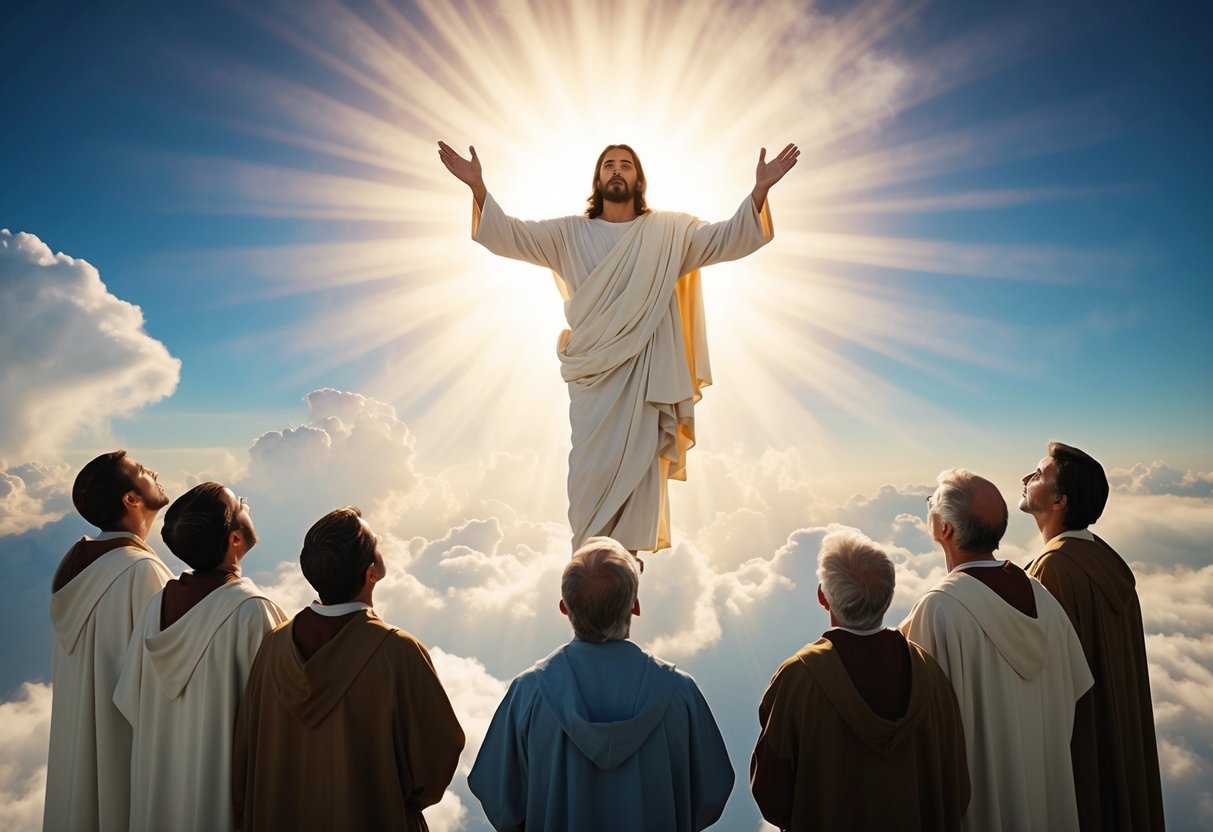
The ascension of Jesus is a pivotal event that holds deep meaning within Christian theology. It marks the transition of Jesus from earthly existence to a divine position, signifying his exaltation and the establishment of his authority in heaven.
Theological Implications
In Christian theology, Jesus’ ascension is crucial for understanding his nature as both fully human and fully divine. After his resurrection, Jesus did not remain on earth but ascended to heaven, which affirmed his divine authority. This act illustrated the fulfillment of Jesus’ mission and emphasized the belief that he now intercedes for humanity.
The ascension also indicates the beginning of Jesus’ reign in the Kingdom of God. By sitting at the right hand of God, he occupies a place of power and influence, affirming his role in the divine plan of salvation. This role is essential for believers as it assures them of Jesus’ continued presence and support in their lives.
Exaltation and Glory
The concept of exaltation refers to Jesus’ position of honor as he ascended to heaven. He is described in Scripture as sitting at the right hand of God, which symbolizes highest authority. This moment is not just an end but the beginning of a new phase in which Jesus reigns supreme.
The glory of God is also demonstrated through Jesus’ ascension. By returning to heaven, Jesus confirms his divine nature and the mission he completed. This event underscores the belief that believers will share in this glory, as they are united with Christ in faith. The ascension serves as a promise of hope, reminding Christians that they will also be welcomed into the presence of God.
The Ascension in Christian Practice

The Ascension of Jesus plays an important role in Christian worship and celebrations. Many Christians observe specific traditions and feasts that honor this event, particularly highlighted by the Feast of the Ascension and the customs associated with Ascension Day.
Feast of the Ascension
The Feast of the Ascension is celebrated on the 40th day of Easter, marking the moment when Jesus ascended to heaven. This feast occurs on a Thursday, traditionally observed by the Catholic Church and many other Christian denominations.
During this celebration, churches hold special services that often include readings from the Scriptures, hymns, and prayers. It serves as a reminder of Jesus’s divine mission and his kingship in heaven. The feast also emphasizes the hope of his return. In places like the Holy Land, local customs might also be incorporated, reflecting the significance of the site of Jesus’s ascension.
Ascension Day Traditions
Ascension Day traditions vary across different cultures and denominations. Many Christians participate in communal worship, featuring joyful songs and reflections on the meaning of the Ascension.
Some communities organize processions or outdoor gatherings, symbolizing Jesus’s ascent and the promise of his return. In the Catholic Church, the day is a holy day of obligation, compelling the faithful to attend Mass.
Moreover, certain regions may have unique rituals. For instance, in parts of Europe, people decorate their churches with flowers and banners to celebrate the event. These traditions help to reinforce the themes of faith and hope within the Christian community.
Witnesses to the Ascension
The ascension of Jesus into heaven was witnessed by several key figures, most notably the apostles and disciples. Their accounts provide essential insights into this significant event. Additionally, heavenly beings played a role as witnesses and messengers during this momentous occasion.
Apostles and Disciples
When Jesus ascended into heaven, he was surrounded by his apostles and disciples. These included key figures such as Peter, John, and James, who had been with him throughout his ministry. They gathered on the Mount of Olives, near Bethany, as described in the Book of Acts.
The event took place 40 days after the resurrection. The apostles watched intently as Jesus was taken up, surrounded by a cloud. This moment was more than visual; it solidified their understanding of Jesus’ divine nature and mission.
The apostles were commanded to spread the message of Jesus, emphasizing the significance of his ascension. Their firsthand experience validated their faith and equipped them to testify about what they witnessed in Jerusalem.
Angelic Testimony
After Jesus’ ascension, two angels appeared to the apostles. They delivered a vital message, emphasizing that Jesus would return in the same manner he had ascended. This encounter is crucial as it affirmed the divine nature of the event.
The angels reassured the witnesses and reinforced their mission. Their presence provided a divine confirmation that the ascension was not simply an end but a transition to a new phase of Jesus’ ministry.
The testimony of the apostles and the angels collectively highlights the significance of this pivotal moment. It ensured that the early followers would carry the message of Jesus with confidence and purpose.
Conclusion
Jesus’ ascension into heaven marks a significant event in Christian belief. Occurring 40 days after his resurrection, this event symbolizes His return to the Father and the completion of His earthly mission.
The ascension reassures believers of the forgiveness of sins through faith in Christ.
His departure allowed for the Holy Spirit to come, empowering followers and guiding them in their faith.
This event also strengthens the Messianic promise. Jesus, the Son of God, affirmed His role as the Messiah through His words and actions.
His ascension is linked to the promise of the Second Coming, instilling hope in believers.
The anticipation of the Rapture is rooted in the belief that Jesus will return for His followers. His ascension serves as a reminder of the conviction and faith required to await this event.
