
The birthplace of Jesus is a significant topic for many, especially within the context of Christianity and its teachings. When people ask where was Jesus born, they are not only looking for the name of a place, but also for its spiritual and historical meaning for faith and tradition.
Jesus was born in Bethlehem, a small town in present-day Palestine, as foretold by the prophet Micah.
This humble town plays a critical role in the Nativity story, which is central to the Christian faith and detailed in the New Testament, as it connects Old Testament prophecies with the New Testament account of the birth of the Savior.
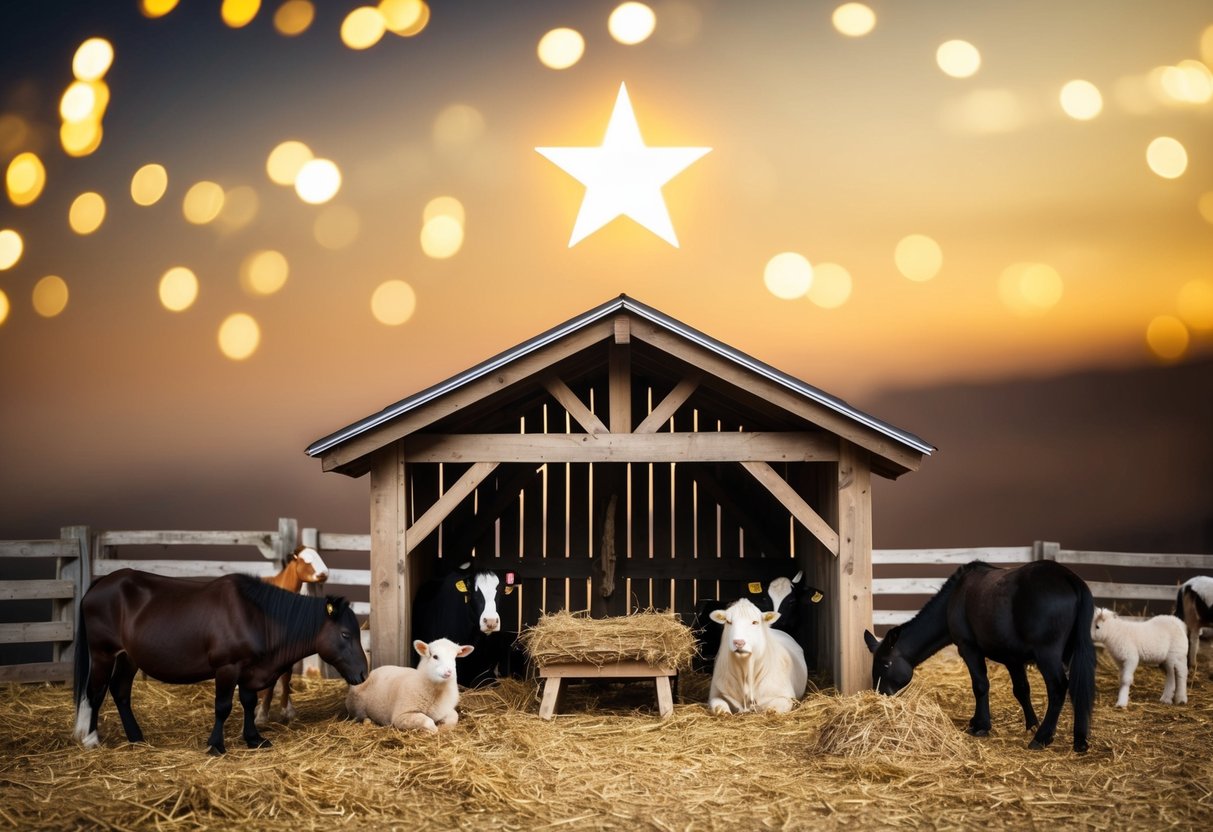
Various accounts in the Gospels provide insights into the circumstances surrounding his birth. The narratives highlight the significance of his arrival in Bethlehem, linking it with prophecies and the socio-political environment of the time.
Understanding where he was born can deepen the appreciation of the events that would shape his life and the message of Christianity.
Historical Context and Background
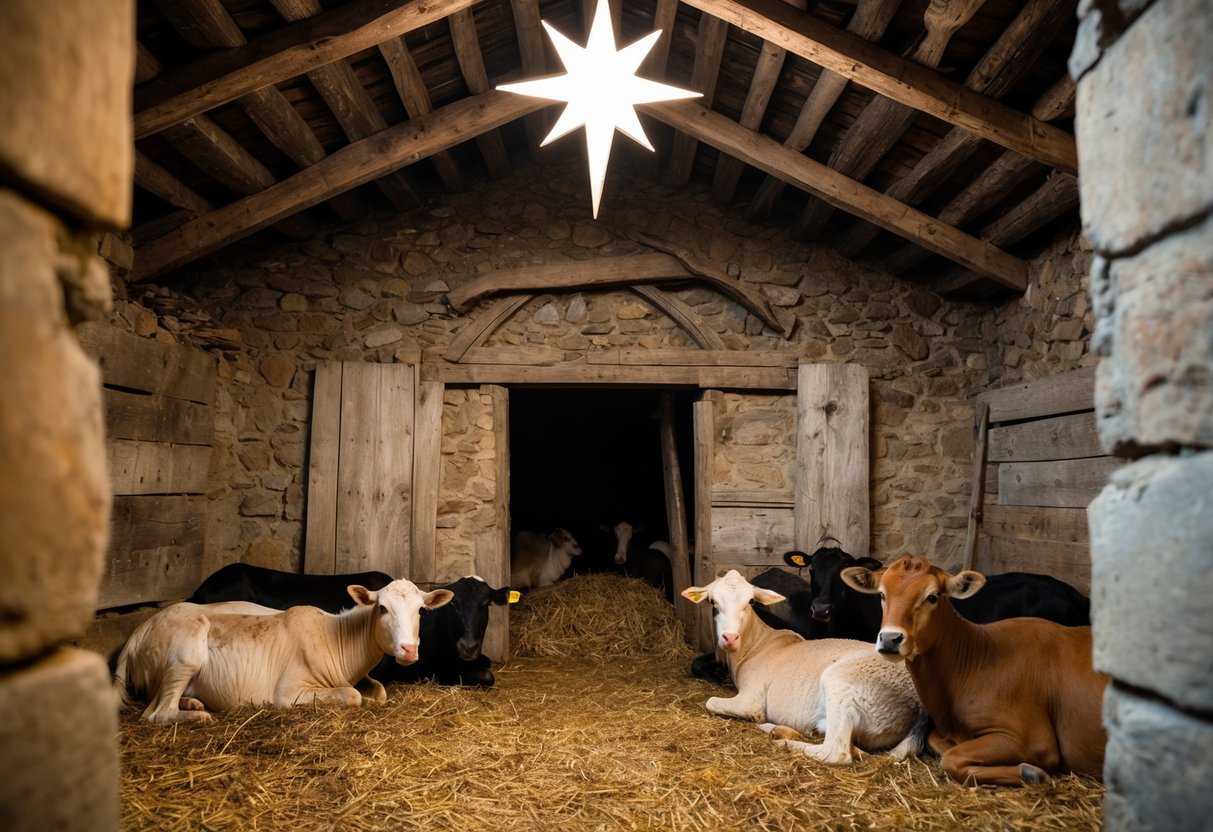
The birth of Jesus holds deep meaning within its historical setting. This section explores the importance of Bethlehem and the influence of the Roman Empire during this period.
Significance of Bethlehem
Bethlehem is significant as the birthplace of Jesus, fulfilling ancient prophecies from the Old Testament. The Prophet Micah predicted that the Messiah would come from Bethlehem, a town associated with King David. This connection to David emphasized Jesus’ royal lineage and messianic role.
Bethlehem, located in Judea, was a small town, but its history made it special. This town is often referred to as the City of David. Its selection as the birthplace underscores the importance of Jesus in Jewish tradition and Christian faith, aligning him with historical and prophetic significance.
Roman Influence and the Census
During this period, the Roman Empire, led by Caesar Augustus, exercised control over Judea. In order to manage taxation and governance, a census was conducted. This required all individuals to return to their ancestral towns.
Joseph and Mary traveled from Nazareth to Bethlehem for this census, reinforcing the significance of the location. Quirinius, the governor of Syria, oversaw this process. The census not only placed Jesus’ birth in Bethlehem but also highlighted the political climate of the time, shaping the events that surrounded his early life.
Gospel Accounts of the Nativity

The Nativity of Jesus is detailed in two main gospel accounts: the Gospels of Matthew and Luke. Each account provides unique elements of the birth story and highlights different characters and events.
The Book of Matthew’s Description
In the Gospel of Matthew, the birth of Jesus takes a significant narrative turn. It begins with Joseph, who learns of Mary’s pregnancy from the Holy Spirit. An angel named Gabriel visits him in a dream to reassure him. Joseph obediently takes Mary as his wife, knowing her child is divine.
Matthew emphasizes the arrival of the Magi, who are wise men from the East. Following a bright celestial event, possibly the Star of Bethlehem, they visit Jesus to honor him with gifts of gold, frankincense, and myrrh. This highlights the recognition of Jesus as a king by these figures.
Following this, an angel warns Joseph in a dream to flee to Egypt to protect the child from King Herod’s decree to kill young boys in Bethlehem, showcasing God’s protection.
Luke’s Account and Narrative
Luke’s account of the Nativity presents a different perspective, filled with rich details. It opens with a decree from Caesar Augustus that requires everyone to return to their hometown for a census. Joseph travels from Nazareth to Bethlehem, where Jesus is born in humble circumstances.
In this account, shepherds play a vital role. They receive the news of Jesus’ birth from an angel, who is accompanied by a host of heavenly beings. The shepherds visit the newborn, emphasizing the theme of humility in Jesus’ arrival.
Luke 2 describes this moment with warmth and simplicity, focusing on the joy brought by the birth. This account serves to connect Jesus with the common people, showing his universal significance.
Cultural and Theological Significance
The birthplace of Jesus carries deep cultural and theological meanings that have shaped Christian beliefs and traditions. These meanings are evident in symbols and practices, as well as interpretations of prophecies related to Jesus as the Messiah.
Symbols and Traditions of Christmas
Christmas celebrates the birth of Jesus Christ in Bethlehem. This historic event is remembered through various symbols, such as the manger where Jesus was placed, signifying humility. The Star of Bethlehem is another vital symbol, representing divine guidance.
Traditions like the Nativity scene depict this significant moment. Families often gather to share stories about the Incarnation of God. This holiday also emphasizes themes of joy, hope, and peace.
Gifts exchanged during Christmas symbolize the gifts brought by the Magi, linking to the notion of Jesus as King of the Jews.
Interpretations of Messiah and Prophecies
Jesus’ birth fulfills numerous prophecies, reinforcing his identity as the Messiah. In Christianity, the prophecy of a savior born in Bethlehem speaks to God’s promise to humanity.
The name Immanuel, meaning “God with us,” is central to Jesus’ role in Christian theology. This connection emphasizes that Jesus is not just a historical figure, but the Incarnation of God, meant to redeem humanity.
Scholars and theologians study these interpretations to explore their implications for faith. They examine how Jesus’ birth influences Christian holidays and the larger narrative of salvation, shaping the beliefs of millions worldwide.
Archaeological and Scholarly Insights
Archaeological discoveries and historical records play a significant role in understanding where Jesus was born. Insights from scholars and excavations provide clarity on the claims surrounding Bethlehem as the birthplace of Jesus.
Location and Excavations
Bethlehem, located in the West Bank, is traditionally recognized as the birthplace of Jesus. The Church of the Nativity stands at the site believed to be where he was born. Built in the 4th century, this church is one of the oldest continuously inhabited churches in the world.
Archaeological excavations beneath the church have uncovered a cave, which is thought to be the birthplace of Jesus. These findings align with early Christian writings. Many biblical scholars support the idea of Bethlehem due to the city’s historical significance during the time of Jesus.
Historical Evidence and Records
Historical records provide essential context for understanding Jesus’ birthplace. The Jewish historian Josephus wrote about Bethlehem in his works, providing valuable insights into the region’s significance.
Biblical accounts in the Gospels of Matthew and Luke describe Jesus’ birth in Bethlehem. Matthew’s narrative connects Jesus’ birth to the prophecy of a ruler coming from Bethlehem. Scholarly interpretations focus on the reliability and context of these texts, especially in relation to the reign of Herod.
Further archaeological evidence found around Bethlehem supports its long-standing habitation and significance during the first century. This evidence includes household structures and stables. These findings enrich the discussion of Jesus’ nativity and reinforce Bethlehem’s importance as a historical and religious site.
Impact on Christianity and the World
The birth of Jesus in Bethlehem significantly shaped Christianity and influenced global culture. His nativity has inspired numerous religious practices and secular celebrations that highlight fundamental Christian beliefs.
Christian Liturgy and Calendar
The Nativity of Jesus is central to Christian liturgy. It is celebrated on December 25, known as Christmas Day. This date was chosen by early Christians to align with existing pagan festivals that honored the winter solstice.
In the Julian Calendar, this date marks a time of celebration and reflection. The Early Christian Church established traditions around Christmas to commemorate Jesus’ birth.
Dionysius Exiguus, a monk, introduced the Anno Domini system in the 6th century. This system counts years from Jesus’ birth, making it foundational for the Christian calendar.
Special services, carols, and sermons focus on the themes of hope, joy, and redemption stemming from His arrival.
Global Religious and Secular Celebrations
Christian holidays extend beyond church services into broader societal celebrations.
Christmas significantly impacts cultures worldwide, integrating both religious significance and secular customs.
In many places, festive activities include decorating trees, exchanging gifts, and hosting community feasts.
Some societies also host events like parades and public light displays, blending Christian themes with local traditions.
This fusion creates a multicultural atmosphere, emphasizing unity and goodwill among diverse groups.
In addition, the significance of Christmas inspires many to engage in acts of charity, reflecting the teachings of Jesus.
These celebrations highlight how His birth continues to resonate across different cultures and societies.
