
The town of Bethlehem holds a special place in history as the birthplace of Jesus. When we picture the scene of the Nativity, it is natural to wonder how big was Bethlehem when Jesus was born and what the environment was like for the Holy Family.
At the time of Jesus’s birth, Bethlehem was a small town with an estimated population of about 2000 to 3000 people. This modest size contrasts sharply with its significance in the Christmas story and its role in biblical prophecy.
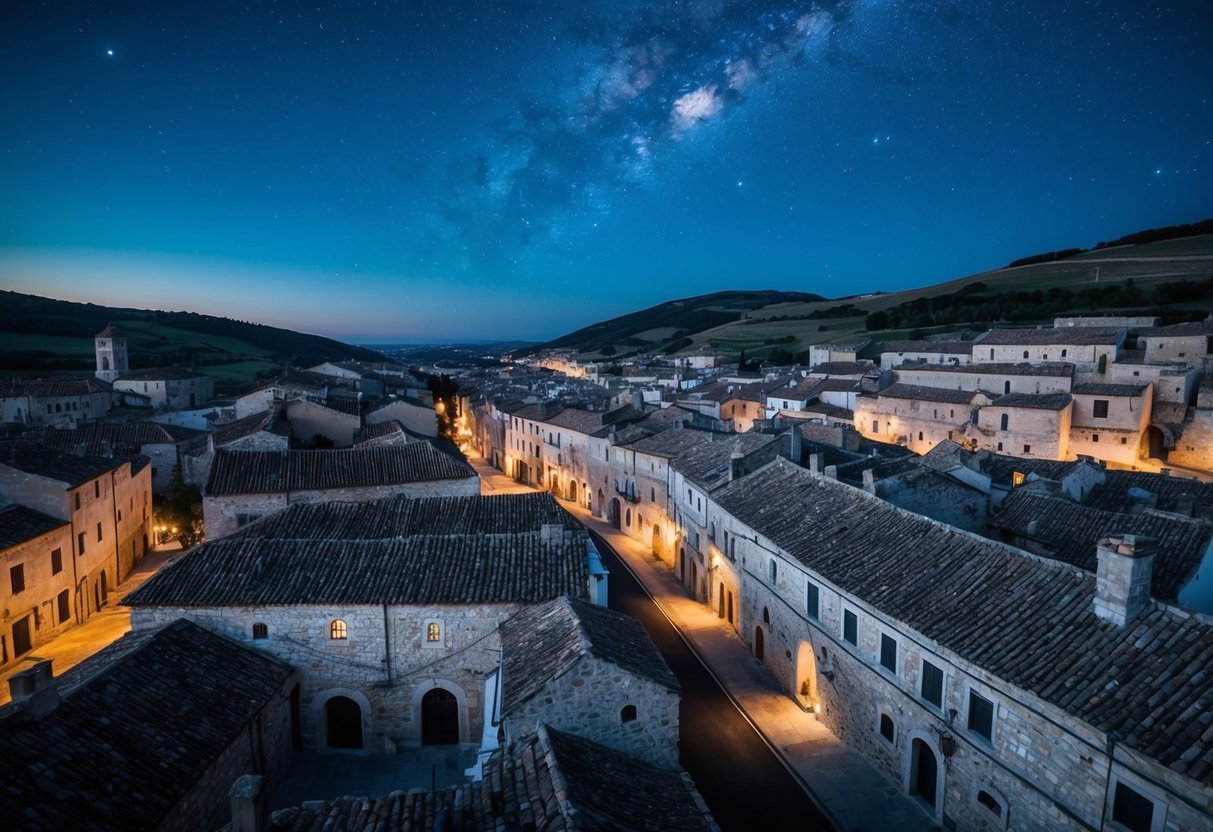
Despite its small population, Bethlehem was rich in heritage and tradition, being the hometown of King David. The quiet landscape of shepherds and fields set the stage for the Nativity, where the humble environment highlighted the arrival of a king born in a stable.
Understanding the size of Bethlehem helps to frame the incredible story of Jesus’s birth against the backdrop of ordinary life in a small village.
As Christmas approaches, many people reflect on the importance of this simple town. Bethlehem’s significance goes beyond its size; it represents hope, humility, and the divine entering the world in unexpected ways.
Historical Context of Bethlehem
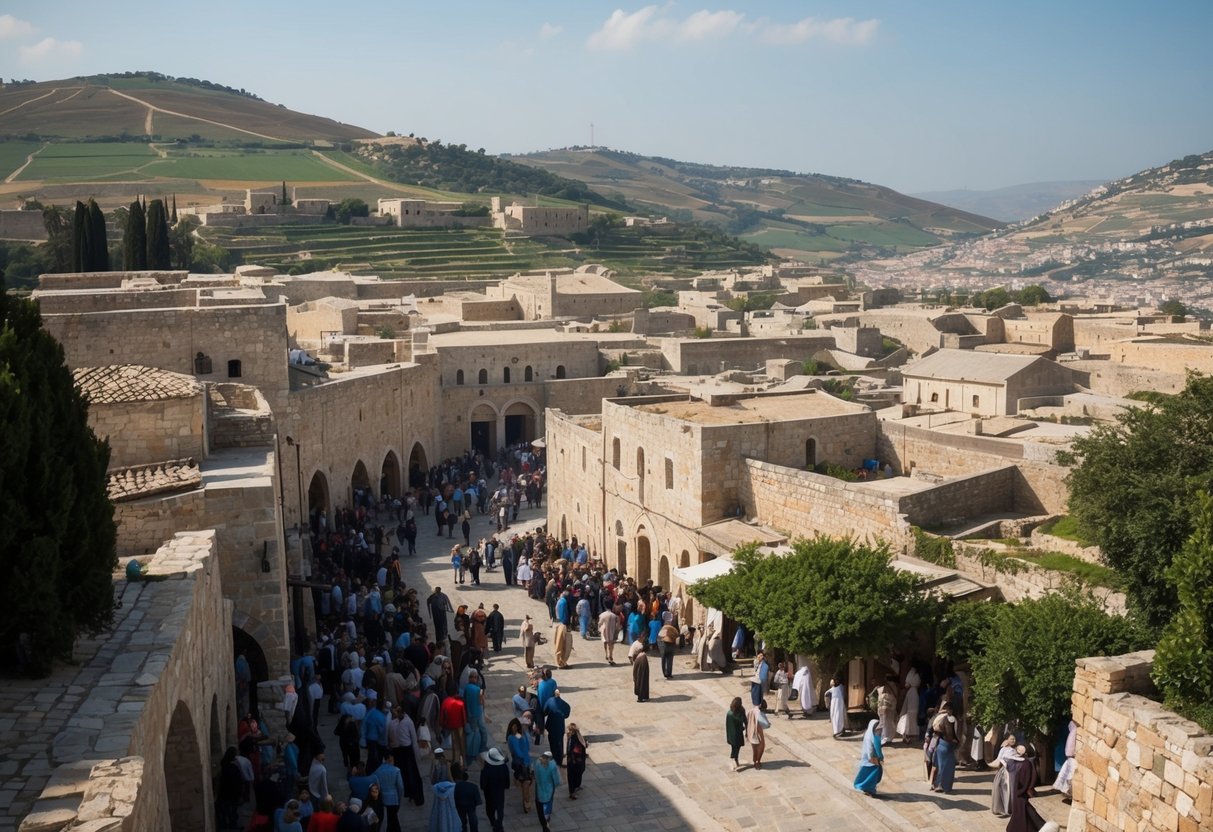
Bethlehem holds significant historical importance, especially during the time of Jesus’s birth. Understanding its context involves examining both historical records and population estimates. This background provides insight into why Bethlehem was chosen for such a pivotal event.
Bethlehem in Historical Records
Historically, Bethlehem is recognized as the birthplace of King David, an essential figure in Jewish history. This lineage is noted in various biblical texts. It serves as a prophecy fulfillment regarding the Messiah’s birth, as mentioned in Micah 5:2.
Archaeological evidence shows that Bethlehem was a small village during the 1st century. The town was likely divided into family clans, contributing to close-knit community living.
Such records emphasize its humble beginnings, making it striking that the Savior was born there rather than a more prominent city.
Population Estimates During Jesus’s Time
Population estimates suggest that Bethlehem had around 2,000 to 3,000 residents during the time of Jesus. This small size influenced the culture and daily life of its inhabitants.
Many families lived in caves nearby, using them for shelter and to protect livestock. The small population likely led to a sense of community, as families were interrelated through clans. This demographic detail is crucial as it reflects the circumstances surrounding events like the census that brought Mary and Joseph to Bethlehem, showcasing the town’s role in biblical history.
Biblical Significance of Bethlehem
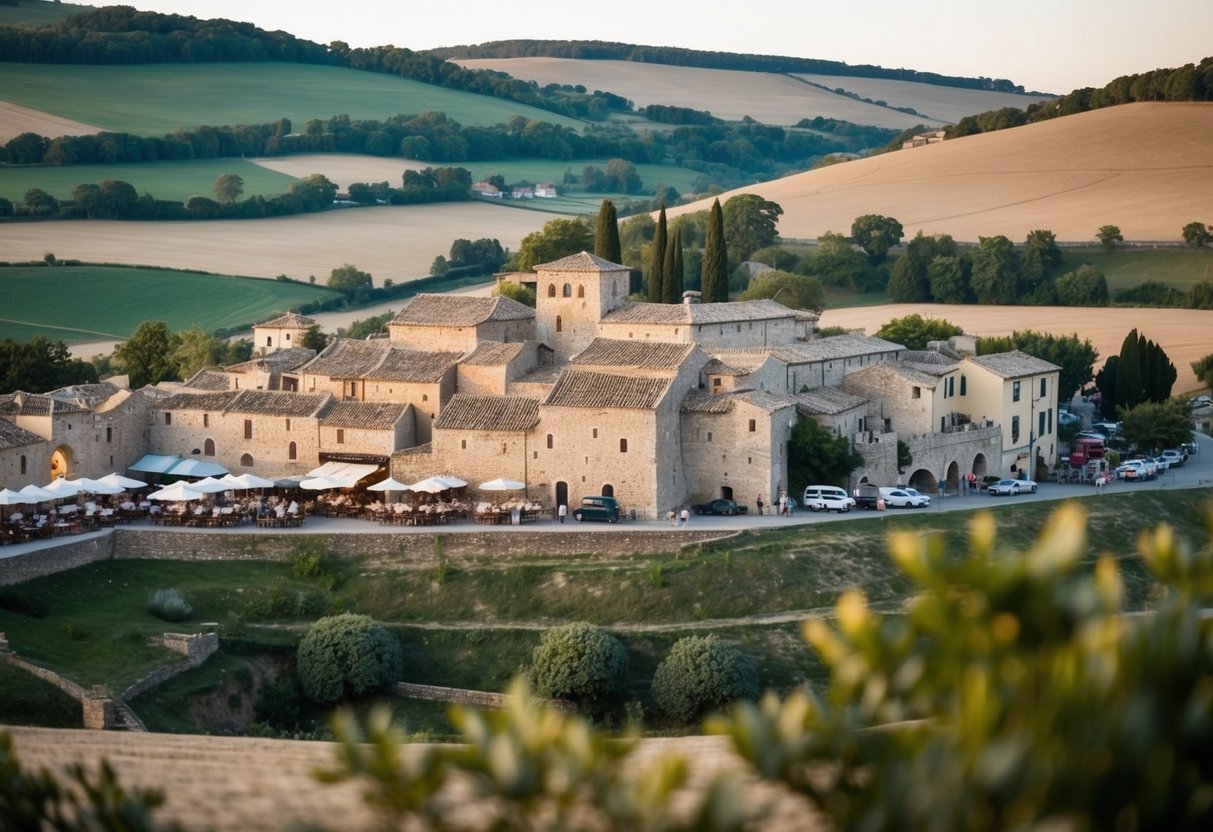
Bethlehem holds a special place in biblical history and prophecy. Its significance is tied deeply to the lineage of King David and the anticipated arrival of the Messiah.
Prophecies and Messianic Expectations
The town of Bethlehem is mentioned in the prophecy found in Micah 5:2, which states that the Messiah would be born in Bethlehem Ephrathah. This prophecy highlights its importance as the birthplace of the awaited Savior. The text underscores that although Bethlehem was small, it would play a critical role in God’s plan for Israel.
The prophecy sets the expectation for a ruler who would come from David’s line. This lineage is vital, as it connects Jesus to King David, making Him the fulfillment of these prophecies. The anticipation of a Messiah who would bring salvation is a significant theme in both the Old and New Testaments.
The Birth of Jesus in Scripture
The New Testament accounts detail the birth of Jesus in Bethlehem, often referred to as the City of David. This birthplace fulfills the ancient prophecies about the Messiah.
Biblical accounts describe Mary and Joseph’s journey to Bethlehem for a census, leading to Jesus’s humble birth in a stable.
In this context, Jesus is introduced as the “Lamb of God” and the “Bread of Life.” These titles emphasize his role in spiritual sustenance. The birth narratives highlight that Jesus of Nazareth, born in Bethlehem, represents the culmination of God’s promise to send a ruler in Israel, bridging the gap between the divine and humanity.
Geographical and Political Landscape
Bethlehem, a small town located in Judea, played a significant role in the political and cultural dynamics of its time. Understanding its geographical position and the empires that influenced its governance helps contextualize the events surrounding the birth of Jesus.
Bethlehem’s Location and Description
Bethlehem, also known as Bethlehem of Judea or Bethlehem Ephrathah, is situated about five miles south of Jerusalem in the Judaean Hills. This location made it a vital point for trade and travel, contributing to a multicultural urban center.
The town’s size during Jesus’s birth is estimated to be around 2,000 to 3,000 residents. It consisted of close-knit clans living in simple dwellings, often using nearby caves for livestock. The landscape was primarily hilly and rocky, with fertile land suitable for agriculture, which supported the local economy.
The Governance and Influence of Empires
During the time of Jesus’s birth, Bethlehem was under the influence of the Roman Empire. Under the rule of Caesar Augustus, the empire was known for its extensive political control and taxation policies.
King Herod, also known as Herod the Great, governed Judea with a heavy hand. He was a client king appointed by the Romans, and his leadership was marked by both significant architectural achievements and ruthless political actions, including the infamous massacre of innocents.
This backdrop highlights the tension between local leaders and the greater imperial authority, shaping the social dynamics of Bethlehem and its surroundings.
Cultural and Religious Life in Bethlehem
Bethlehem is rich in cultural and religious significance, centered around its historical and spiritual landmarks. Key sites such as the Church of the Nativity play a vital role in attracting pilgrims and tourists while reflecting ancient traditions that continue to thrive today.
Church of the Nativity and Pilgrimages
The Church of the Nativity is one of the oldest Christian churches in the world. It marks the birthplace of Jesus and is a central pilgrimage site for Christians worldwide. The church features a star set in the floor, indicating the precise spot of Jesus’ birth.
Every year, thousands of pilgrims visit this holy site, particularly during the Christmas season. The surrounding Manger Square becomes a vibrant hub of activity, filled with celebrations, prayers, and cultural events.
Visitors can also explore nearby sites, such as the Milk Grotto, believed to be where Mary nursed Jesus. This site adds to Bethlehem’s significance in the Christian faith and attracts many seeking spiritual connection and understanding.
Ancient Traditions and Modern Celebrations
Bethlehem retains many ancient traditions that reflect its historical heritage. Festivals like Christmas are celebrated with deep reverence, showcasing local customs and rituals. The streets come alive with music, dance, and processions, highlighting the city’s cultural vibrancy.
Modern celebrations often attract tourists, making Bethlehem a bustling tourist center. Local artisans display their crafts, combining ancient techniques with contemporary designs.
The proximity to archaeological sites also adds a layer of depth to Bethlehem’s cultural life. Sites like Migdal Eder evoke powerful stories from the region’s past, creating a strong link between present and history. This blend of ancient traditions and modern practices keeps Bethlehem a vital part of the Holy Land.
Accounts of Jesus’s Birth in Bethlehem
The accounts of Jesus’s birth in Bethlehem highlight significant events and figures that shape the nativity story. These narratives, primarily found in the Gospels of Matthew and Luke, provide details about Mary, Joseph, and the fulfillment of ancient prophecies.
Narratives from the Gospels
In the Gospels, Bethlehem is described as a humble town where Mary and Joseph travel to due to the census of Quirinius. While searching for shelter, they find no room in the kataluma, often translated as guest room. Instead, they settle in a nearby grotto, believed to be a stable. Here, Jesus is born and placed in a manger.
The Gospel of Matthew also includes the visit of the wise men, who follow a star to reach Bethlehem. They bring gifts of gold, frankincense, and myrrh, recognizing Jesus as the prophesied king.
Luke emphasizes the role of shepherds, who receive the heavenly announcement of Jesus’s birth from angels. These narratives showcase the contrasting themes of humility and divine glory in the story of Jesus’s birth.
Symbolism in the Nativity Story
The nativity story is rich in symbolism that connects to Jewish history and culture.
Bethlehem, known as Bethlehem-Judah, holds significance as the birthplace of King David, echoing prophecies that a messiah would arise from his lineage.
Moreover, the humble beginnings of Jesus serve to highlight the value of simplicity and faith.
The mention of Rachel and Jacob adds depth, connecting Jesus’s birth to the ancestral heritage of Israel found in the Book of Ruth.
In this context, the story reinforces themes of redemption and hope.
The mix of angels, shepherds, and wise men illustrates the broad significance of Jesus’s birth, inviting all of humanity to recognize his importance.
