
The days following the empty tomb are among the most transformative in biblical history. After his miraculous return to life, many believers seek to understand what happened to Jesus after his resurrection and how his presence continued to shape the early Church.
During this time, Jesus made significant appearances that deeply impacted his disciples and early followers.
He taught them important lessons, provided final instructions, and empowered them with the Holy Spirit. These interactions were not merely symbolic but served to prepare his apostles for their global mission. By appearing to hundreds of witnesses, he solidified the hope of his followers and confirmed his divine authority.
These events are crucial for understanding the foundation of the Christian faith as described in the Gospels of the New Testament. From the road to Emmaus to the final Ascension, his actions during this period remain a cornerstone of theology and spiritual reflection today.
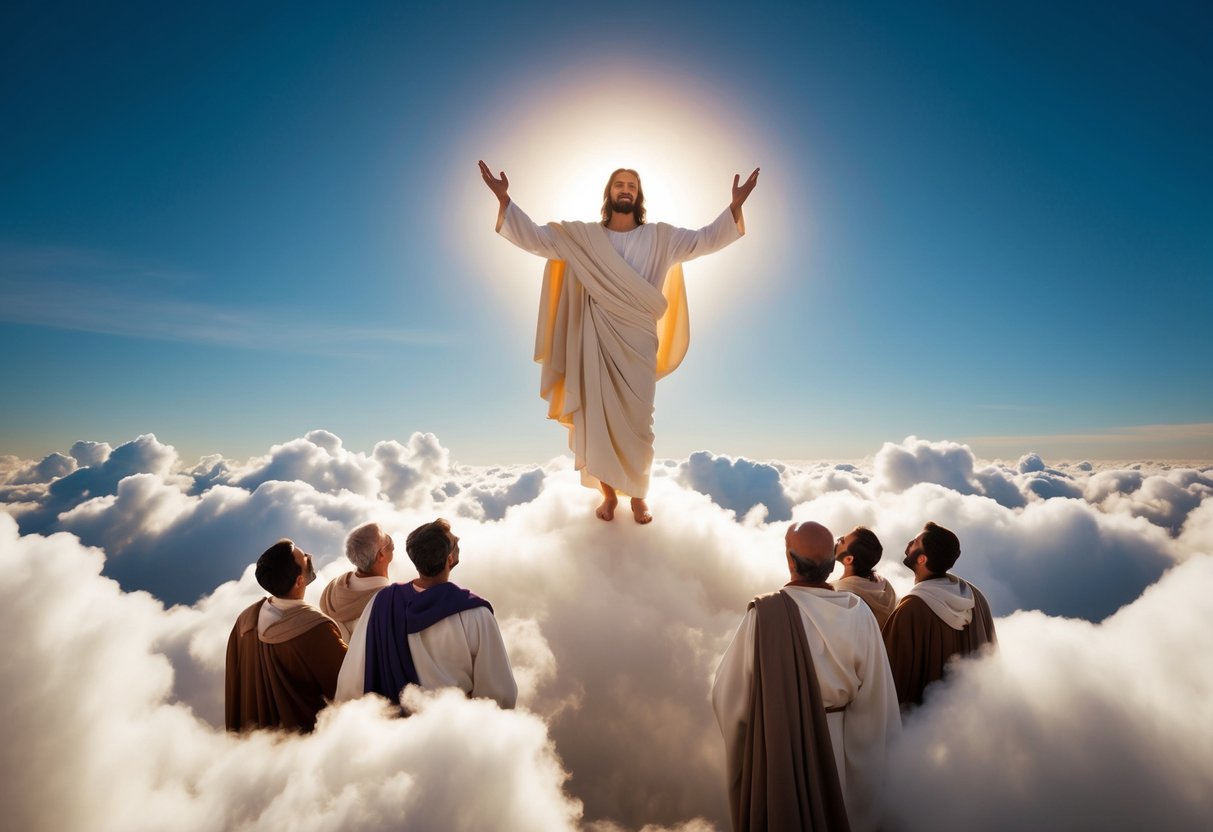
During the forty days following his resurrection, Jesus revealed himself to many individuals and groups. This time was marked by teaching moments and the famous Great Commission, where he commanded his disciples to spread his message to all nations.
These actions set the groundwork for the growth of the early church and shaped the mission of Christianity.
As the story unfolds, Jesus’s ascension marks a pivotal moment in the New Testament. By ascending to heaven, he confirmed his divine authority and fulfilled the promises made throughout his ministry. The events after the resurrection continue to inspire believers and underline the significance of Jesus’s role in religious history.
The Significance of the Resurrection
The resurrection of Jesus holds deep meaning beyond just an event in history. It has profound theological implications and serves as the foundation of Christian faith. Understanding these facets illuminates why the resurrection remains central to believers today.
Theological Implications
The resurrection affirms Jesus as the Messiah. It signifies that he overcame sin and death, which is pivotal for Christian beliefs.
When he rose, it validated his teachings and divine identity.
This event provides a promise of salvation for believers. Through his resurrection, there is an assurance of forgiveness for sins. It highlights the principle that faith in Christ leads to redemption.
Moreover, the resurrection illustrates the concept of eternal life. For Christians, this means that just as Jesus rose, they too will experience resurrection after death. This hope encourages them to live with purpose and assurance.
Foundation of Faith
The resurrection is the cornerstone of Christian belief. It is not simply a miraculous event but a necessary one that confirms the truth of the Gospel.
Without it, the teachings of Jesus would lack credibility. Paul emphasized this in 1 Corinthians 15, stating that if Christ had not risen, faith would be futile.
Furthermore, the resurrection inspires believers to maintain faith during hardships. It serves as a daily reminder of the promise of salvation and eternal hope. This foundational event is often celebrated and serves as the basis for many Christian practices, such as baptism and communion, symbolizing new life and commitment to faith.
Appearances to the Disciples and Followers
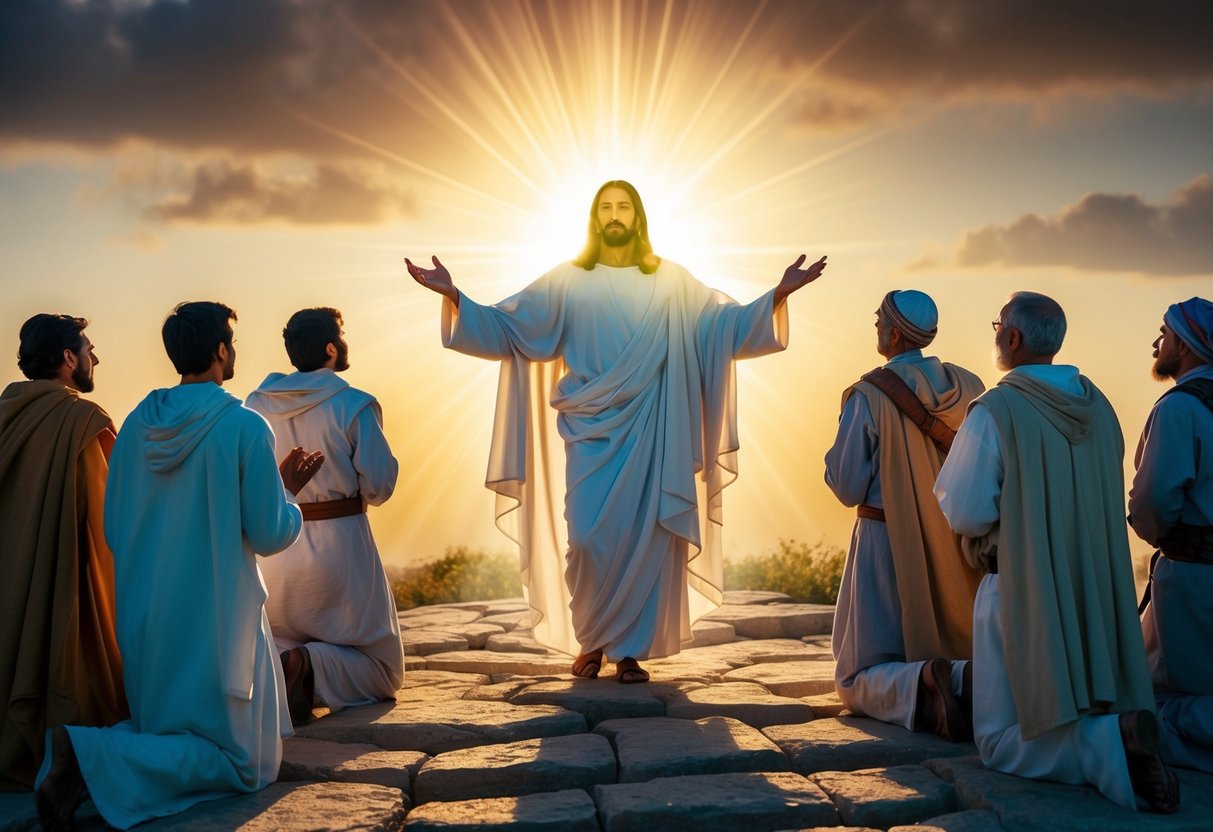
After his resurrection, Jesus made several important appearances to his disciples and followers. These meetings reinforced their faith and conveyed key messages about his mission and the coming Gospel.
Mary Magdalene at the Tomb
Mary Magdalene was the first person to see the risen Jesus. Early on the Sunday morning after his death, she went to the tomb and found it empty. Distressed, she encountered two angels who told her that Jesus had risen.
As she turned to leave, Jesus appeared and called her by name. He instructed her to go and tell the disciples about his resurrection.
This encounter showed his compassion and marked a significant moment in showing the role of women in the early church. Mary became the first to share the news of his resurrection with the Apostles.
Road to Emmaus
On the same day of his resurrection, Jesus appeared to two disciples traveling to Emmaus. They were discussing recent events and expressing their confusion about Jesus’ death. He approached them, but they did not recognize him at first.
During the journey, Jesus explained the Scriptures and how they pointed to him. When they reached Emmaus, he broke bread with them. At that moment, their eyes were opened, and they recognized him.
This event emphasized the importance of understanding Scripture and deepened their faith, leading them to return to Jerusalem to share their experience.
Doubting Thomas
One of the most famous post-resurrection events is the encounter with Thomas, who is often called “Doubting Thomas.” After Jesus appeared to the other disciples in Jerusalem, Thomas was absent and expressed doubt about Jesus’ resurrection.
A week later, Jesus appeared again, specifically addressing Thomas’ doubts. He invited Thomas to touch his wounds. Thomas, in awe, declared Jesus as “My Lord and my God.”
This encounter highlighted the theme of belief and doubt, showing that Jesus welcomed honest questioning while demonstrating his true nature and the reality of his resurrection.
The Ascension and its Importance
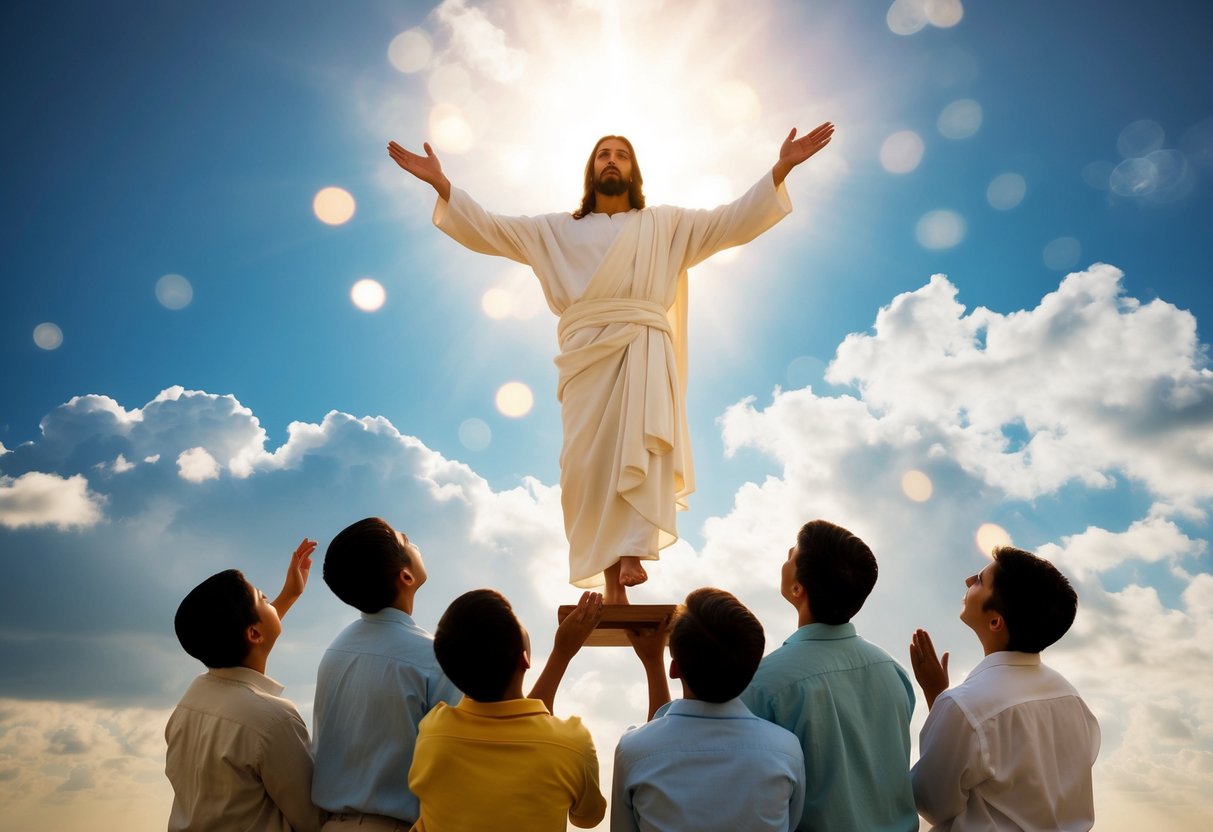
The Ascension of Jesus marked a pivotal moment in Christian history. It represents not only his return to the Father in Heaven but also sets the stage for the coming of the Holy Spirit, which empowered His followers.
Return to the Father
After his resurrection, Jesus spent time with his disciples, teaching and preparing them for their mission. His Ascension symbolized the completion of his earthly ministry.
As he ascended, he returned to God, taking his place at the right hand of the Father. This position signifies his authority and power over the Kingdom.
The Ascension also illustrates a transition. Jesus, now in Heaven, intercedes on behalf of humanity, demonstrating his ongoing role in the relationship between God and people.
This act fulfilled prophecies and reinforced the belief in Jesus not just as a prophet but as the divine Son of God.
Promise of the Holy Spirit
Following his Ascension, Jesus promised to send the Holy Spirit to his disciples. This promise was crucial for empowering them to spread his teachings and establish the Church.
The Holy Spirit brings guidance, wisdom, and strength needed for their mission.
This event underscored the connection between Jesus and the Holy Spirit. The Spirit would not only dwell among believers but also demonstrate God’s presence in the world.
The arrival of the Holy Spirit marked the beginning of a new era in which believers would receive authority to act in Jesus’ name and continue his work.
The Great Commission and Its Lasting Impact
The Great Commission was a vital command given by Jesus to his disciples after his resurrection. It outlined their responsibilities in spreading his teachings. This event had a lasting impact on the early church and continues to influence Christ-followers today.
Command to the Apostles
After rising from the dead, Jesus met with his apostles. He instructed them to go out into the world. The core message was to make disciples of all nations.
This command included baptizing them and teaching them about his teachings. In Matthew 28:19-20, Jesus emphasizes the need for action and perseverance. He promised to be with them always, providing encouragement and support.
This directive was not just for the apostles but set a precedent for all future Christians.
Spreading the Gospel
The apostles took the Great Commission seriously. They began to spread the Gospel throughout Judea, Samaria, and beyond.
They shared the message of Jesus, focusing on his death and resurrection. The Acts of the Apostles documents their journey and challenges.
They faced persecution but remained committed to their mission. As they preached, many people turned to faith and joined communities of believers. This spread of Christianity laid the foundation for the church as it is known today.
Birth of the Church
The Great Commission directly influenced the formation of the early church. As the apostles preached, new congregations began forming in different regions.
These gatherings were places for worship, teaching, and support among believers. The collaborative effort to follow Jesus’ command led to a distinct identity for Christ-followers.
Local churches emerged, each contributing to the broader mission. The teachings of the apostles continued to spread, shaping the church’s beliefs and practices for centuries to come.
Continuation of the Message and the Church’s Expansion
After the resurrection of Jesus, the church experienced significant growth due to the Holy Spirit’s presence and the efforts of the apostles. This period marked a crucial time for spreading the Gospel throughout diverse communities.
Pentecost and the Early Church
Pentecost was a pivotal moment for the early church. It occurred fifty days after Passover when the Holy Spirit descended on the apostles.
This event empowered them to speak in various tongues, enabling them to reach a broader audience.
Over 3,000 people joined the church on that day after hearing Peter’s passionate sermon about Jesus’ resurrection. The apostles began performing miracles, healing the sick, and spreading the Gospel message.
This rapid growth established a strong foundation for early Christian communities and highlighted the transformative power of the Holy Spirit.
The Role of the Apostles
The apostles played a critical role in expanding the church. Figures such as Simon Peter and Paul were instrumental in preaching and teaching.
Simon Peter, known for his leadership, boldly proclaimed the message of Jesus and helped unify believers.
Paul, originally a persecutor of Christians, had a profound conversion experience. He traveled extensively, starting multiple congregations and writing letters that formed much of the New Testament.
His teachings emphasized faith in Christ and the inclusion of Gentiles in the church.
Through their efforts, the apostles significantly contributed to the spread of Christianity across the Roman Empire.
