
Every year, millions of pilgrims travel to the Holy Land to walk where biblical history unfolded. Many travelers planning their journey often wonder, can you visit where Jesus was born today? The answer is a resounding yes; the site traditionally recognized as the birthplace of Jesus is located in Bethlehem, housed within the magnificent Church of the Nativity.
This historic church, built in the 4th century by Constantine the Great, remains a significant pilgrimage destination for many Christians around the world. Beneath its floors lies the Grotto of the Nativity, a small cave where a silver star marks the exact spot believed to be the location of the manger.
Visiting this sacred site offers a unique opportunity to connect with the origins of the Christian faith. Whether you are interested in the remarkable Byzantine architecture or the deep spiritual atmosphere, a trip to Bethlehem provides an unforgettable glimpse into the setting of the first Christmas.
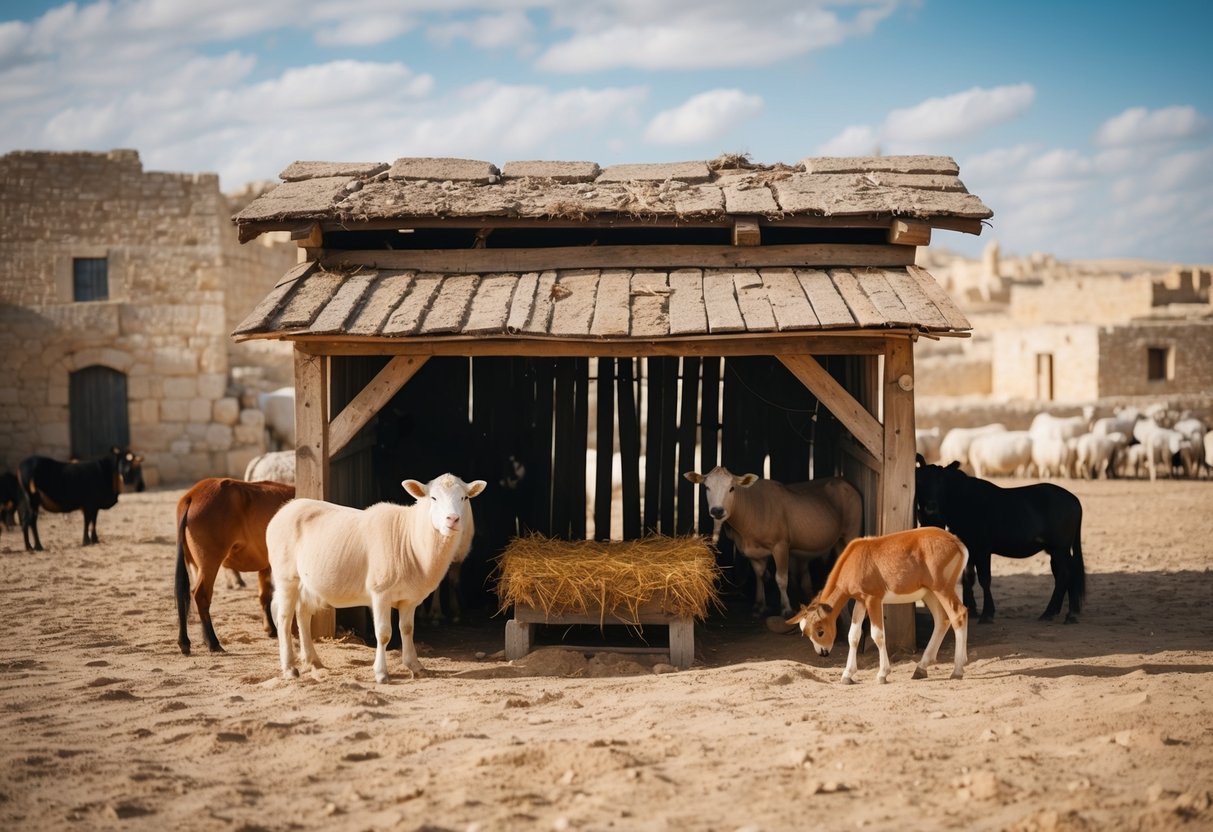
The Church of the Nativity houses a cave that is said to be the exact location of Jesus’ birth. Inside this cave, there is an altar that marks the spot, highlighted by a 14-pointed silver star.
Pilgrims and tourists can visit the church and experience a place filled with history and religious importance.
Bethlehem remains a small town that retains much of its ancient charm. For those interested in religious heritage, a visit to this sacred location provides a unique opportunity to connect with an important part of Christian history.
Historical Context of Bethlehem
Bethlehem has a rich history that plays a significant role in religious narratives. Its connection to King David, prophetic writings, and the Roman Empire provides a backdrop to the events surrounding the birth of Jesus.
Understanding these elements helps to grasp Bethlehem’s importance as a historical and spiritual location.
Birthplace of Kings and Messiah Prophecies
Bethlehem is known as the birthplace of King David, a central figure in Jewish history. This small town is often linked to the idea of kingship and leadership in Israel.
In addition, various prophecies identified Bethlehem as the birthplace of the future Messiah, reinforcing its significance in Judeo-Christian traditions.
The prophecy from Micah 5:2 states that a ruler would come from Bethlehem, suggesting a deep connection between the town and messianic expectations. Early Christians recognized Bethlehem’s role in fulfilling these prophecies, linking the location to Jesus’ birth. This created a strong spiritual connection for believers.
Roman Empire and the Census
During Jesus’ birth, Bethlehem was part of the Roman Empire. Roman rule had a considerable influence on the area.
A census was ordered by Caesar Augustus, requiring Joseph and Mary to travel to Bethlehem. This census played a crucial role in ensuring that Jesus was born in the prophesied location.
The historical account of the census highlights the Roman authorities’ impact on the events surrounding the birth of Jesus and emphasizes the alignment of political forces with prophetic statements.
Micah 5:2 and Early Christians
Micah 5:2 specifically prophesies the significance of Bethlehem in biblical history. This verse declares that from Bethlehem will come a ruler whose origins are ancient.
Early Christians often cited this prophecy to establish Jesus’ legitimacy as the Messiah. The connection between Micah’s writing and Jesus’ birth strengthened early Christian beliefs.
It gave them a powerful narrative that linked their faith directly to ancient scripture, reinforcing Jesus’ role as the promised Savior. This helped shape the identity of early Christian communities and their understanding of Jesus’ mission.
The Significance of the Church of the Nativity
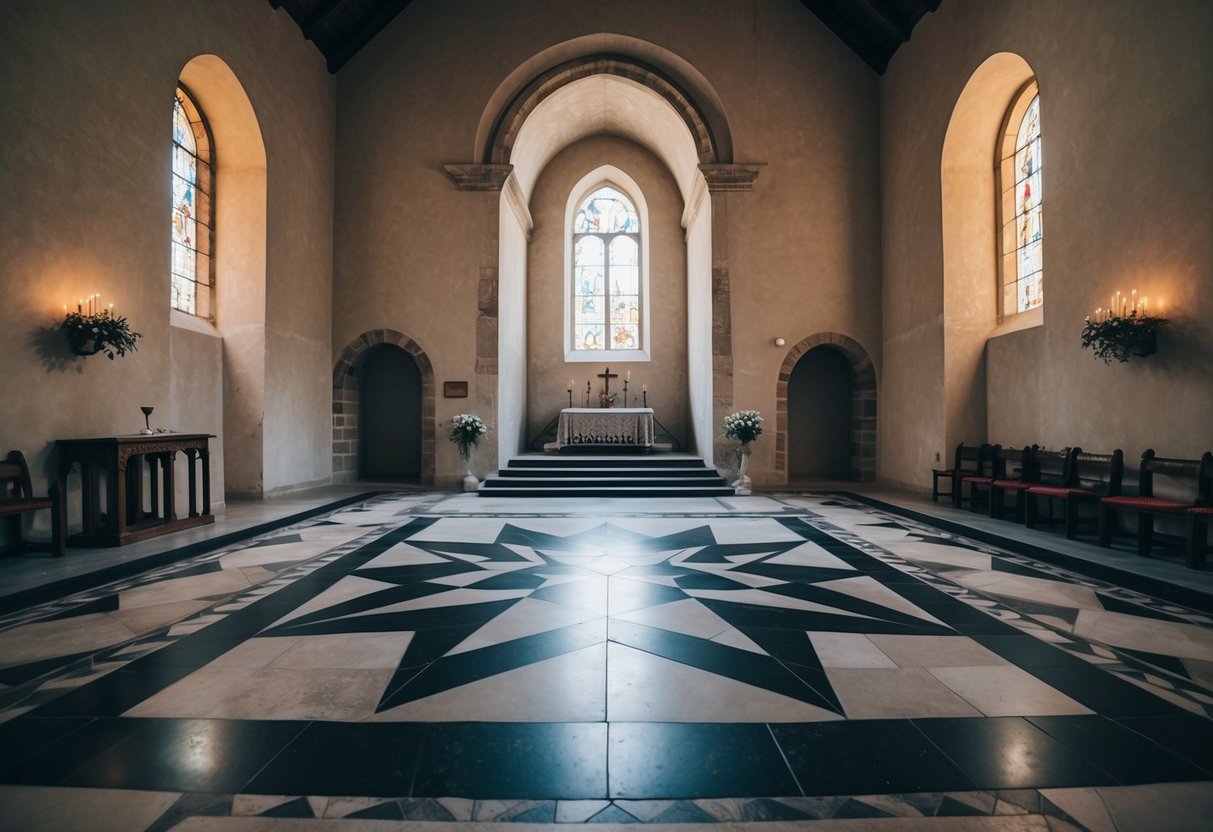
The Church of the Nativity is a crucial site for both religious and historical reasons. It stands as a testament to Christian heritage and is recognized for its cultural importance.
The following sections explore its status as a landmark, its designation as a UNESCO World Heritage Site, and the remarkable inscription that highlights its significance.
A Landmark of Faith and History
The Church of the Nativity is located in Bethlehem, Palestine, and is revered as the birthplace of Jesus Christ. It was originally built in the 4th century over the Grotto of the Nativity, a cave believed to be the exact spot of Jesus’ birth. This site has attracted pilgrims from all over the world for centuries.
The church has undergone several renovations, with the current structure largely completed in the 6th century. It reflects various architectural styles, including Byzantine and Roman design.
The Greek Orthodox Church currently manages the site, which serves as a focal point for Christian worship and pilgrimage, drawing thousands each year.
UNESCO World Heritage Site
In 2012, the Church of the Nativity was designated as a UNESCO World Heritage Site. This recognition highlights its cultural and historical significance beyond religious borders. The designation aims to preserve the site for future generations.
As a World Heritage Site, the church faces challenges, including political conflict and structural degradation. UNESCO’s efforts seek to protect the church and its surroundings, ensuring that its historical value remains intact.
This status also raises awareness about the importance of cultural preservation in regions of conflict.
Hic de Virgine Maria Jesus Christus Natus Est
The phrase “Hic de Virgine Maria Jesus Christus Natus Est,” meaning “Here, Jesus Christ was born of the Virgin Mary,” is inscribed in Latin within the church. This inscription reinforces the church’s significance as the birthplace of Jesus, central to the Christian faith.
Visitors to the Grotto of the Nativity can see the silver star marking the exact spot of His birth. This symbol attracts many pilgrims who come to experience the deep spiritual connection to their faith. The inscription serves as a reminder of the enduring legacy of the site in Christianity.
Visiting the Holy Land
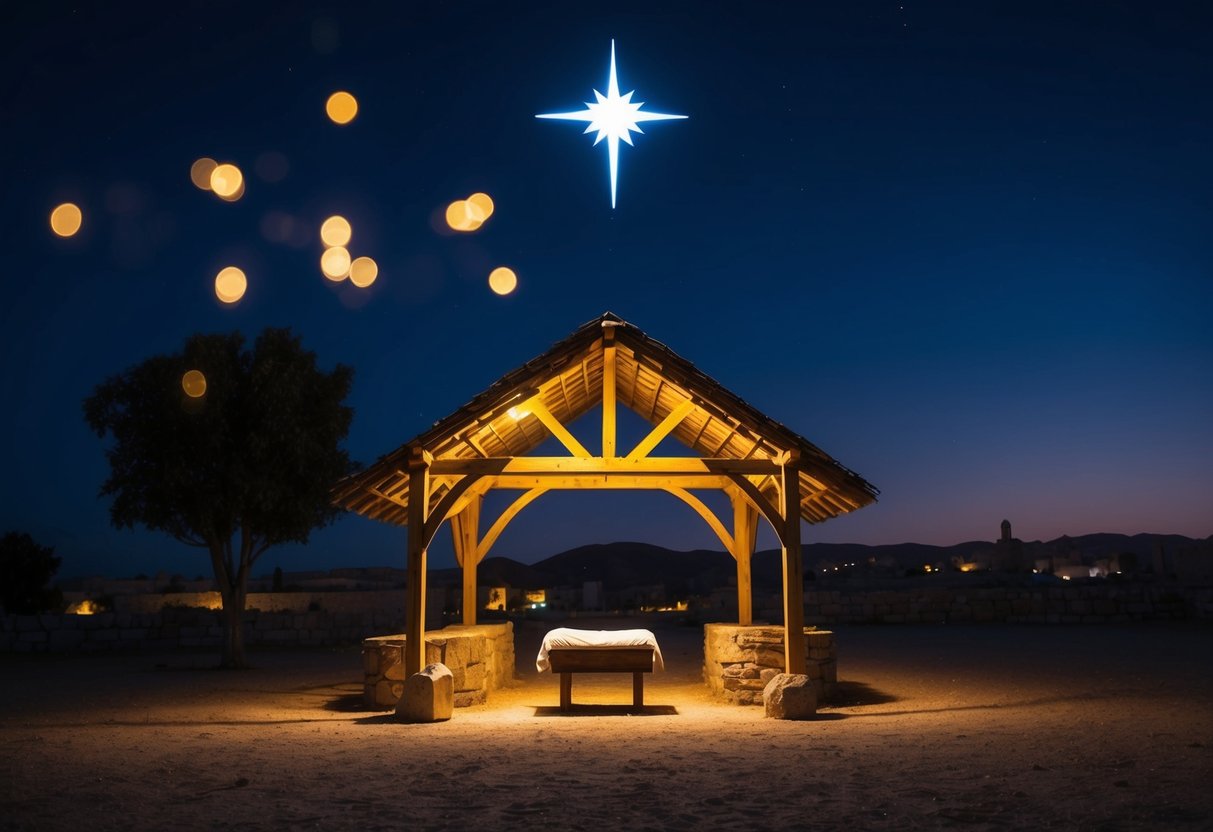
Traveling to the Holy Land offers a unique chance to explore places that hold deep religious and historical significance. Bethlehem, the birthplace of Jesus, is a key destination, along with the cultural experiences and local traditions that enhance the visit.
Travel to Bethlehem
Bethlehem is located about five miles south of Jerusalem. It is easily accessible by car or bus.
Travelers often pass through checkpoints since Bethlehem is part of the West Bank. Visitors can enjoy views of the surrounding landscape along the way.
There are organized tours available that provide guided experiences. Many choose to see the iconic separation wall covered in artwork. This area reflects the local culture and struggles of the Palestinian people.
Experiencing the Grotto and Manger
The Grotto of the Nativity is the site believed to be where Jesus was born. Visitors can enter through a narrow passageway leading to a star-marked spot beneath the Church of the Nativity.
The Grotto is open from 6:30 a.m. to 7:30 p.m. during summer months and 5:30 a.m. to 5:00 p.m. in winter. Nearby, the Milk Grotto is where Mary is said to have nursed Jesus. Many believe that visiting this site brings blessings related to fertility and motherhood.
Local Culture and Traditions
Bethlehem’s local culture is vibrant and steeped in tradition. Travelers can enjoy local treats like falafel and hummus at nearby eateries. These dishes showcase the rich flavors of Middle Eastern cuisine.
During Christmas, the city holds special celebrations, attracting many visitors. In addition to religious events, Bethlehem celebrates art, music, and local crafts.
Souvenir shops offer handmade items that reflect the region’s cultural heritage. These experiences contribute to a deeper understanding of Bethlehem’s significance.
The Story of Jesus’s Birth
The birth of Jesus Christ is a significant event in Christian history, described in detail in the New Testament. Different accounts from the Gospels of Matthew and Luke provide a fuller picture of this miraculous occurrence.
Gospels of Matthew and Luke
The Gospels of Matthew and Luke both describe the birth of Jesus, but each offers unique insights.
Matthew focuses on Joseph and his experience, detailing how he was visited by an angel in a dream. This angel reassured him about Mary’s divine pregnancy.
In contrast, Luke emphasizes Mary’s perspective. He describes the journey of Mary and Joseph to Bethlehem for a census. Their humble stay in a stable highlights the significance of Jesus’s birth in a lowly setting. Both accounts agree on Bethlehem being the birthplace, a fulfillment of prophecy.
The Star of Bethlehem and Three Wise Men
The Star of Bethlehem plays a vital role in Jesus’s birth narrative, especially in Matthew’s Gospel. It is said that the star guided the Three Wise Men, known for their wisdom and gifts.
These men traveled from the East to find the newborn king. Upon their arrival in Bethlehem, they presented gifts of gold, frankincense, and myrrh.
Each gift carries symbolic meaning: gold represents Jesus’s royalty, frankincense His divinity, and myrrh foreshadows His suffering. The Wise Men’s journey signifies the recognition of Jesus as a king and the fulfillment of prophecy in the Hebrew Scriptures.
Shepherds and Angelic Revelations
Luke’s account also introduces shepherds, who were among the first to receive news of Jesus’s birth. An angel appeared to them, bringing a message of great joy for all people.
The angel informed the shepherds that a Savior had been born in Bethlehem. They were instructed to find Him wrapped in swaddling clothes and lying in a manger. Following this revelation, they rushed to see the newborn. This moment emphasizes how the message of Jesus’s birth reached both humble shepherds and learned Wise Men, indicating His significance for all of humanity.
Cultural and Religious Celebrations
Bethlehem holds a significant place in Christian tradition, especially during certain times of the year. The celebrations around Christmas and various pilgrimages draw many visitors and worshippers. They connect deeply to the history of Jesus Christ and the importance of faith in this region.
Christmas in Bethlehem
Christmas in Bethlehem is a vibrant and spiritual time. Events usually begin early in December, culminating in a series of celebrations.
Thousands of visitors come to see the Church of the Nativity, believed to mark the birthplace of Jesus. The church is beautifully decorated, and a nativity scene represents the birth of Christ.
On December 24th, the midnight Mass attracts many worshippers, including those from different parts of the world. A festive atmosphere fills the streets with music, parades, and markets selling local crafts. This celebration allows Christians to reflect on the birth of Jesus and spread joy and goodwill.
Pilgrimages and Mass
Pilgrimages to Bethlehem often include visits to key religious sites. Many Christians travel to experience the sacredness of the area, particularly the church where Jesus was born.
Participants often join in Mass held in historic churches. The journey serves as a deep spiritual experience.
Many pilgrims seek to connect with their faith and understand the significance of Jesus’ life, crucifixion, and resurrection. Worship during these pilgrimages can include communal prayers, reflection, and singing hymns. It reinforces their faith and connection to the history of Christianity.
The Church’s Annual Events
The Church of the Nativity hosts various annual events that attract worshippers.
Besides Christmas Mass, there are celebrations during Easter, which commemorate the resurrection of Jesus.
Special rituals and services take place, often drawing large crowds.
Events like the Feast of the Nativity, celebrated in early January, and commemorations related to Jesus’ life and traditions are significant.
The church also organizes activities that promote community engagement.
These include educational programs focused on the history of Christ and the significance of Bethlehem as a pilgrimage destination.
