
Jesus is often referred to as the King of Kings and Lord of Lords, titles that hold profound meaning in Christianity. When exploring biblical history, many believers seek to understand exactly why is Jesus crowned king in both ancient scripture and modern worship. The answer lies at the very heart of the Christian faith.
He holds this supreme position not only as a direct fulfillment of Old Testament prophecies but also as the central figure of salvation history. His crowning represents a spiritual, eternal kingdom rather than a temporary earthly one.
Ultimately, this royal declaration underscores his absolute authority. It beautifully highlights his divine mission as the promised Messiah who came into the world to save humanity and offer eternal life.
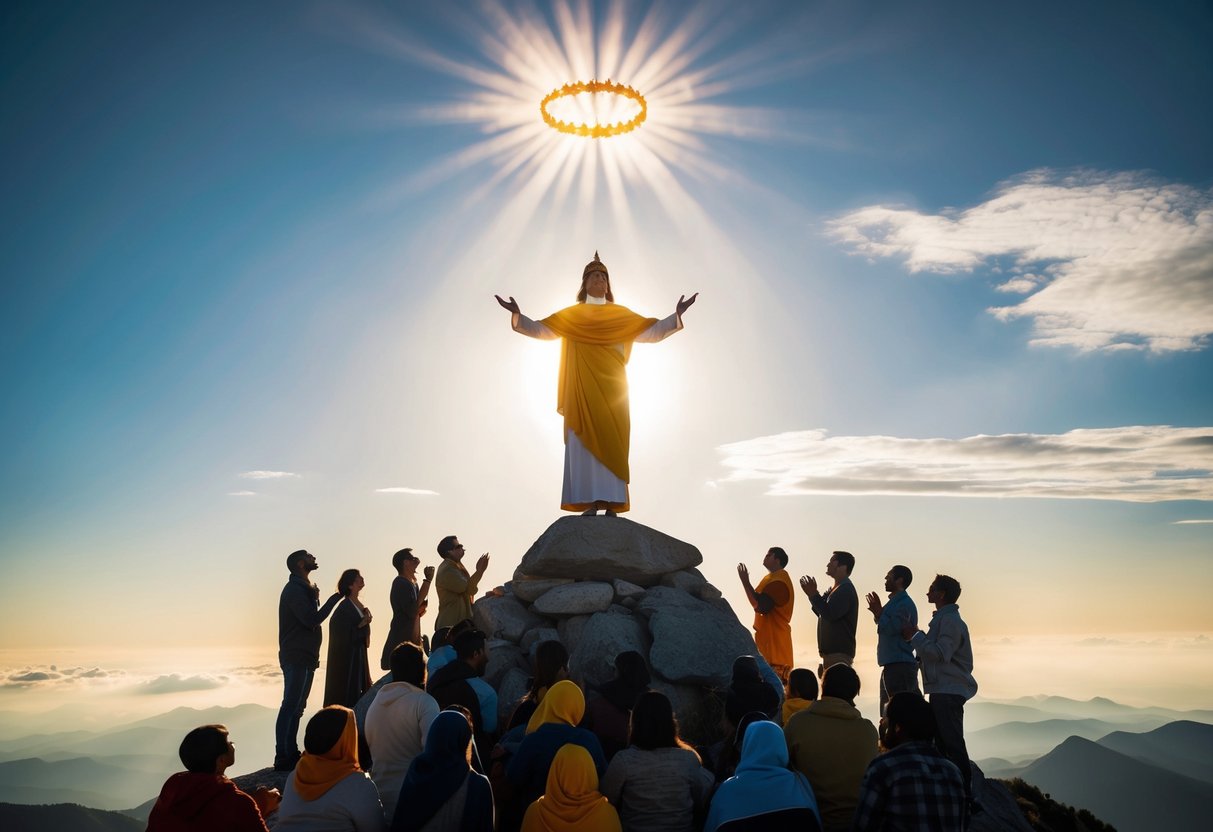
Throughout Scripture, the kingship of Jesus reflects a promise made to King David, where God assured that David’s lineage would result in an everlasting kingdom. This connection highlights why Jesus is seen as the ultimate fulfillment of that promise.
His reign represents hope, purpose, and the transformative power of faith for believers around the world.
Understanding why Jesus is crowned king invites followers to explore the implications of his kingship on their lives.
His role as the Messiah is not just a title; it signifies the purpose of his mission and the impact he continues to have on salvation history.
Engaging with this topic encourages a deeper reflection on his significance and the changes he inspires in those who believe.
Biblical Foundation of Jesus as King
The concept of Jesus as King is deeply rooted in both the Old Testament and the Gospels. Key prophecies and titles establish his royal identity, connecting him to the lineage of David and fulfilling the expectations of the promised Messiah.
Old Testament Prophecies
The Old Testament lays a strong foundation for understanding Jesus as King. Significant prophecies, such as those found in Isaiah, point to a future leader who will govern with justice and righteousness.
One important verse is Isaiah 9:6-7, which calls the coming Messiah a “Wonderful Counselor, Mighty God, Everlasting Father, Prince of Peace.” This indicates that his reign will be characterized by peace and justice, qualities essential for a king.
Additionally, the lineage of David is crucial. God promised David that his throne would be established forever. Jesus, being called the Son of David, fulfills this prophecy and serves as the ultimate king of Israel, as anticipated by the Jewish people.
Titles of Jesus in the Gospels
In the Gospels, Jesus is given several titles that affirm his kingship. One of the most recognized titles is King of the Jews. This title is used during his trial and crucifixion, signifying the political and spiritual implications of His mission.
Throughout the Gospels, Jesus is referred to as Christ, meaning “Anointed One.” This title connects him to the expectations of a messianic king who would deliver Israel from oppression.
Moreover, Jesus’ responses to crowds, who spread their cloaks before him, are reminiscent of ancient coronation practices. Such actions emphasize his identity as a king in a manner the people recognized, reinforcing the biblical portrayal of his royal nature.
The Nature of Jesus’ Kingship

Jesus’ kingship stands apart from earthly rulers in profound ways. He embodies a spiritual authority that is rooted in biblical teachings and Scripture. This kingship is tied to his role as the anointed one who fulfills God’s covenant with his people.
Contrast with Earthly Kings
Earthly kings often govern through power, dominance, and political strength. They tend to rely on military might and wealth to secure their reign.
In contrast, Jesus’ kingship is characterized by humility and service. He taught that true greatness comes from serving others, not from exercising control.
While earthly kings may impose laws for personal gain, Jesus provides a moral framework that promotes love and compassion. He invites people into the Kingdom of God, which is based on grace rather than fear.
This transformational leadership is anchored in his identity as King of Israel, who fulfills prophecies of the long-awaited Savior.
Spiritual Sovereignty and Authority
Jesus’ spiritual sovereignty demonstrates his unique role as both Lord and King. His authority extends beyond earthly realms into the hearts and lives of believers.
Unlike earthly kings, who face limitations, Jesus possesses absolute dominion over all creation.
The kingship of Jesus is acknowledged in Scripture, highlighting that he reigns in righteousness. He does not rule in the conventional sense; his power is shown through love and sacrifice.
The Kingdom of God, which he represents, emphasizes spiritual belonging and relationship over territory and riches. Through his teachings, Jesus offers a path to redemption, inviting followers to share in his eternal reign.
The Role of Jesus Christ as the King
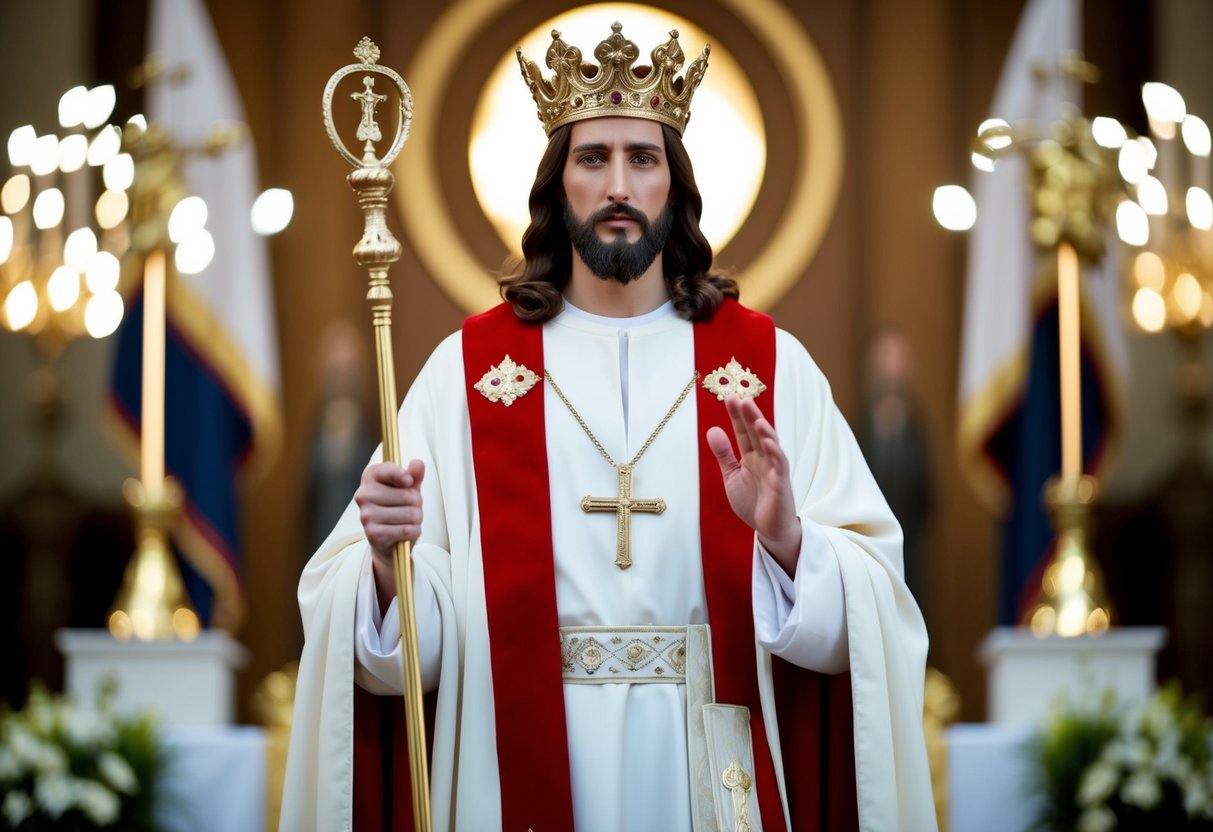
Jesus Christ plays a crucial role as King, functioning in unique capacities that enhance the understanding of his kingship. His authority encompasses the realms of redemption and intercession, marking his significance in the lives of believers.
Redemption and Salvation
As King, Jesus offers redemption and salvation to those who believe in him. His role is foundational for understanding the new covenant promised in the Bible.
Through his sacrifice, he provides the forgiveness of sin, which is essential for establishing a relationship between humanity and God.
When Jesus died, he took on the weight of sin, allowing believers to receive grace through faith. This act enables people to experience true freedom from their past transgressions.
Accepting Jesus as the Savior-King transforms lives and brings hope to many.
Each act of faith in Jesus leads to a life rooted in his teachings. This includes the call to baptism, showcasing a public declaration of faith in him. Thus, his role as King emphasizes his authority over both the individual believer and the wider community of faith.
High Priest and Intercessor
In His kingship, Jesus also serves as the High Priest, standing between God and humanity. This role signifies his continual intercession for believers.
He brings their prayers and needs before God, ensuring they have an advocate on their side.
Jesus’ kingship ensures that his followers can approach God with confidence. His holiness and authority allow him to mediate on their behalf.
This relationship fosters deeper spiritual growth, as believers trust in him as the mediator of the new covenant.
Through prayer and support from the King, individuals can gain strength to face challenges. Jesus, as High Priest, represents a direct connection to God’s glory, affirming his role as both ruler and servant.
Coronation and Reign of Jesus
Jesus’ journey from crucifixion to his reign as king is pivotal in Christian belief. His resurrection established him as the victorious ruler over sin and death. This transition marked his rightful claim to the Kingdom of Heaven, a central theme in the faith.
From Crucifixion to Resurrection
The crucifixion of Jesus is a significant event that led to his ultimate victory over death. As he hung on the cross, he fulfilled prophecies and took upon himself the sins of humanity.
This selfless act of love is seen as essential to the salvation of believers.
Three days after his death, Jesus resurrected, confirming his divine nature. This event is celebrated as Easter, symbolizing hope and eternal life for all who believe.
The resurrection demonstrated his power over death and sin, enabling him to ascend to heaven. This victory sets the foundation for his reign as king.
Jesus’ Coronation as King
Jesus’ coronation can be viewed through different lenses, including scripture and tradition. After his resurrection, he appeared to his disciples, instructing them to spread the gospel. His ascension into heaven marked the formal acknowledgment of his kingship.
In Revelation, Jesus is described as the King of Kings, reigning with authority and grace. The Holy Spirit plays a role in guiding believers as they join his kingdom.
Jesus provides access to the Kingdom of Heaven, offering eternal life to those who follow him. This reign is not just a future promise but a current reality for believers who live in accordance with his teachings.
Jesus’ Impact on Faith and Practice
The teachings of Jesus significantly shaped Christian faith and practices. His messages emphasize obedience to God and the promise of eternal life. Through his life and crucifixion, Jesus influenced how believers understand and anticipate God’s kingdom.
Christian Obedience and Worship
Christian obedience stems from Jesus’ teachings, which challenge rigid interpretations by religious leaders like the Pharisees.
Instead of mere rule-following, He emphasized love, mercy, and the heart behind actions. This focus is evident in the Gospel accounts, where Jesus often responded to legalistic practices with compassion.
Worship practices evolved as believers recognized Jesus as the Messiah. His birth in Bethlehem marked the fulfillment of prophecy, linking his life to the concept of divine kingship.
Following his resurrection, believers started gathering in his name, seeking to live in obedience to his commands and teachings.
His instructions in the book of Hebrews encourage followers to approach faith with confidence and commitment. This establishes a personal relationship with God that is active and transformative.
Anticipation of the Second Coming
Many Christians hold the hope of Christ’s return, viewing it as a fulfillment of his promise of immortality and eternal peace.
This anticipation shapes their daily lives, encouraging them to live righteously, reflecting Jesus’ teachings.
Throughout the New Testament, including the gospels, believers are urged to remain vigilant, much like his followers did amid Roman oppression.
The events surrounding Pontius Pilate’s trial serve as a reminder of His kingship and His ultimate victory over death.
As Jesus taught about his kingdom, his followers began to understand that this was a multi-layered promise. They’re encouraged to share the Gospel and be examples of his love while waiting for his return.
Each believer plays a part in spreading the message of hope, shaped by the impact of Jesus on their faith and practices.
