
The question of whether Jesus burned incense is intriguing for many who study the daily habits and religious observances of the Messiah. While scholars debate historical traditions, people often ask, did Jesus burn incense as a participant in the formal worship services of His era?
Various interpretations and teachings have surfaced regarding this practice in biblical times. While the Bible does not specifically record Jesus burning incense, he likely engaged in rituals at the temple that included it.
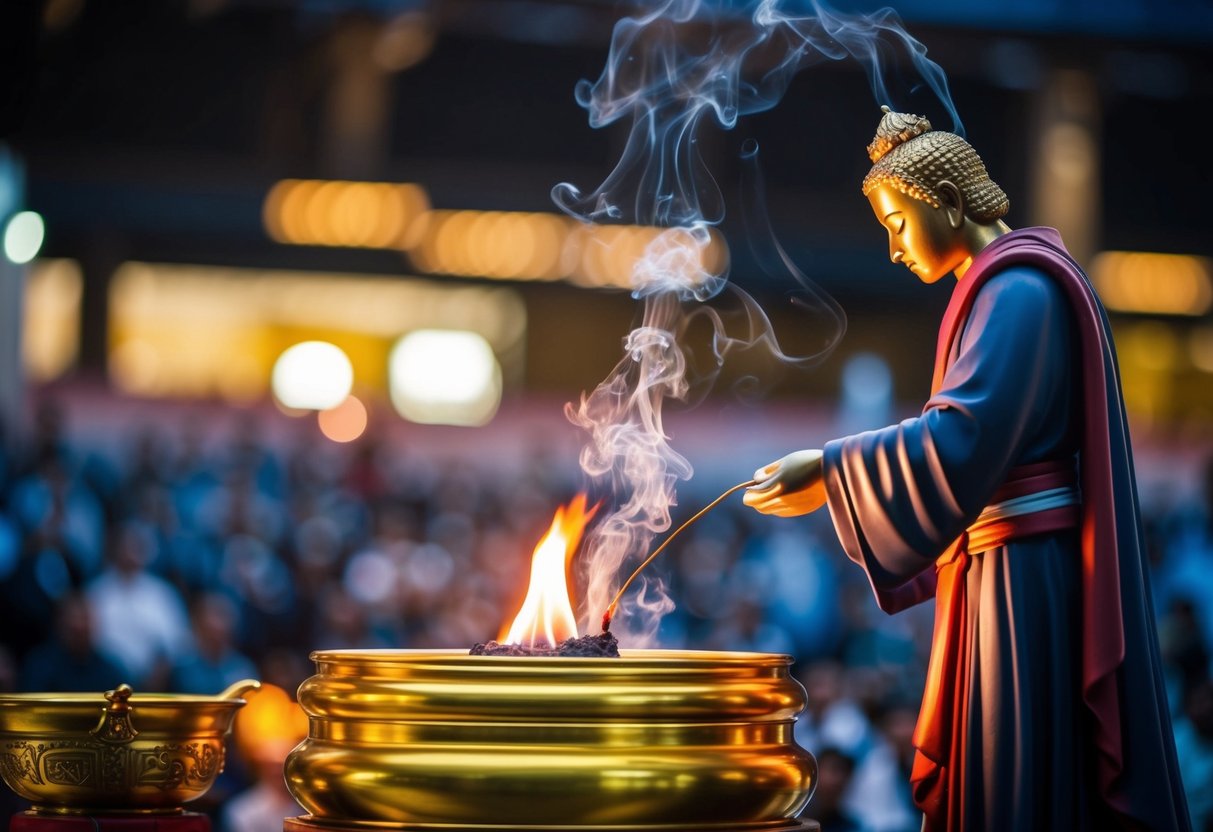
Incense held a significant role in the Jewish temple practices, symbolizing prayers and offerings to God.
The high priest burned incense in the Holy of Holies, creating a veil of smoke as a protective barrier in the presence of the divine.
This connection to incense enriches the understanding of worship during Jesus’ time.
Historical Context of Incense in Worship
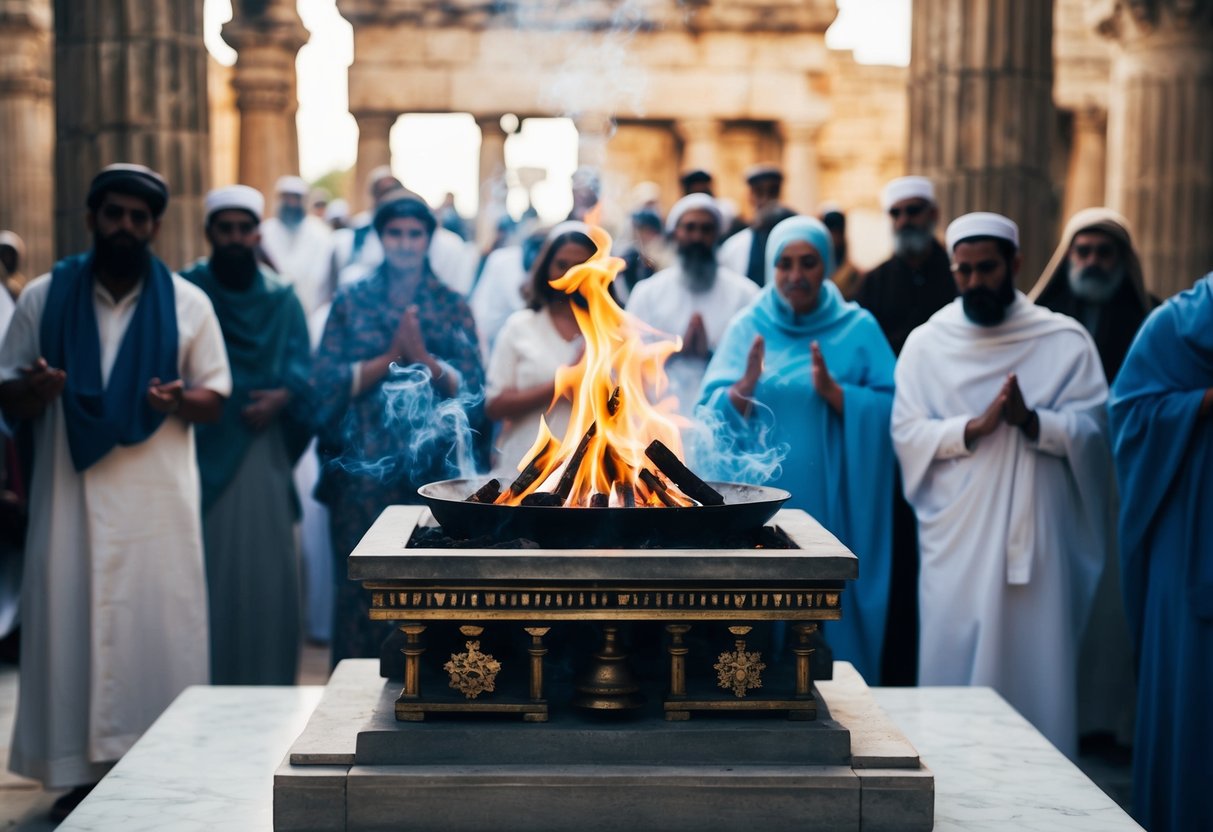
Incense has significant roots in ancient worship practices, especially within the Jewish faith. Its use is tightly connected to rituals that express devotion and offer prayers to God.
The following subsections outline key references to incense in the Old Testament and its vital role in the Temple.
References in the Old Testament
The Old Testament provides numerous references to the use of incense.
In Exodus 30, God commands Moses to create a golden altar specifically for burning incense. This altar was to be placed in the holy place, symbolizing the prayers of the faithful rising to God.
Leviticus details how the high priest was responsible for burning authorized incense during religious ceremonies.
Frankincense, a key ingredient in the incense blend, was part of offerings such as the burnt offerings. Such practices were intended to achieve atonement and show reverence to God.
The sweet fragrance of incense was seen as pleasing to the Lord, creating a sacred atmosphere for worship.
The Role of Incense in the Temple
Incense played a critical role in the rituals performed in the Temple of the Lord.
During the Day of Atonement, it was essential for the high priest to burn incense in the presence of the mercy seat to symbolize purification and intercession for the congregation.
The use of a censer allowed the high priest to manage the fragrant smoke effectively.
The sweet spices blended with pure frankincense created a special aroma that filled the holy place.
This practice not only marked ceremonial offerings but also acted as a barrier, protecting the priest from divine judgment. Thus, incense served as a vital part of the worship experience, linking the material world with the divine.
Jesus Christ and the Use of Incense
Incense has profound meanings when discussing Jesus Christ’s life and the practices of His followers. The use of incense is tied to worship and prayer, representing a connection between heaven and earth in the biblical context.
Incense Symbolism in the Life of Christ
In the Bible, incense symbolizes the prayers of the faithful. Psalm 141:2 states, “Let my prayer be set before You as incense.” This links the act of burning incense to worship, showing that the smoke carries prayers to God.
During His life, Jesus exemplified this connection. Although there is no direct evidence that He burned incense, He participated in temple rituals. These rituals included offerings and sacrifices that may have involved incense.
Through His teachings, Jesus emphasized faith over rituals, rejecting idolatry and hypocrisy among religious leaders. This emphasizes that sincere worship matters more than the act itself.
New Testament and Liturgical Practice
In the New Testament, the practice of burning incense continues as a form of worship.
Zechariah, the father of John the Baptist, was chosen by lot to burn incense in the temple, as described in Luke 1:9. This act shows the importance of incense in religious ceremonies.
For Christians, the altar of incense in the tabernacle points to a deeper meaning. It symbolizes Christ’s intercession for humanity. His prayers are seen as the true incense that pleases God.
After Christ’s sacrifice, the veil between God and man was torn, allowing direct access to God. This signifies a new covenant where prayer, like incense, remains central in Christian worship.
Symbolism and Significance in Christian Worship
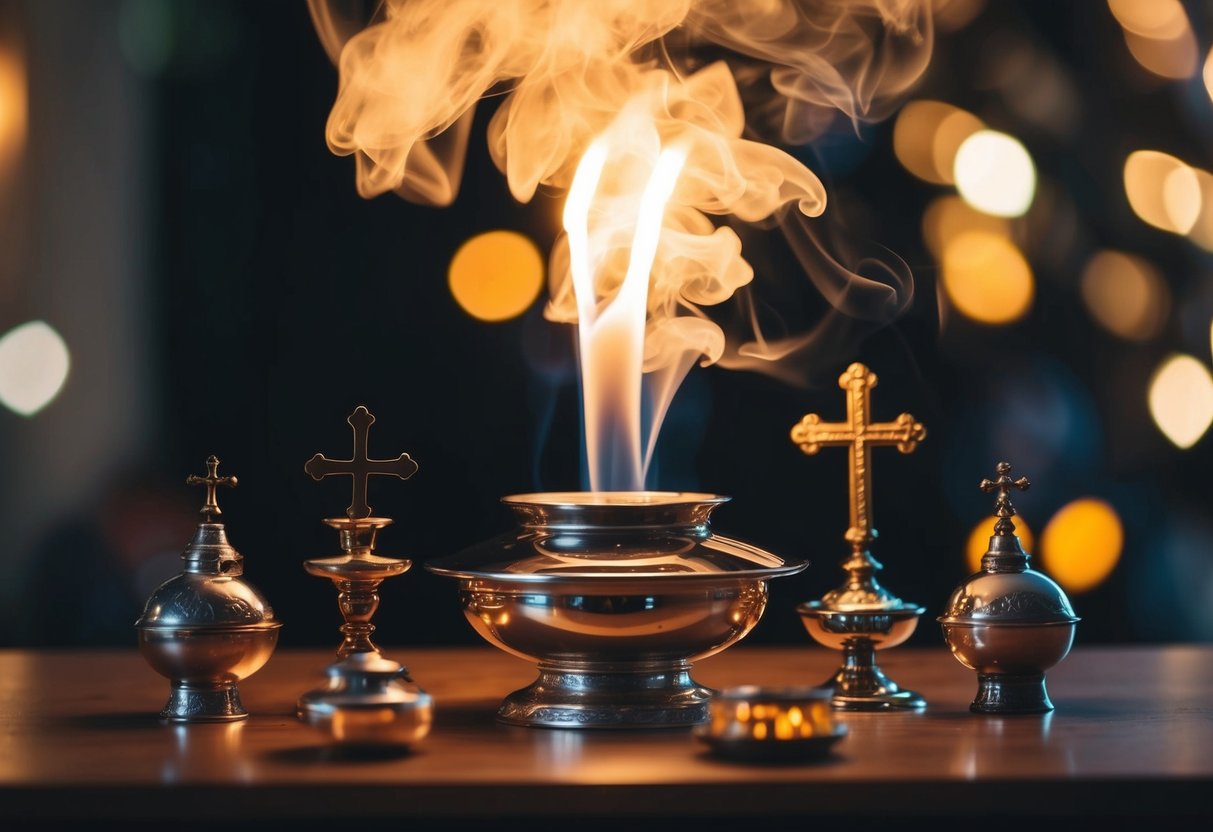
Incense holds deep meaning within Christian worship, symbolizing prayers and the faith of believers. It serves as a tangible expression of devotion and connection to the divine. Through its use, Christians seek to enhance their worship experiences and symbolize their prayers rising to God.
Biblical Symbolism of Incense
In the Bible, incense represents the prayers of the faithful. In Psalm 141:2, King David likens his prayers to incense, illustrating how prayers ascend to God. This connection emphasizes that worship involves both the physical act of burning incense and the spiritual act of prayer.
During ancient times, the Israelites used incense in their worship at the tabernacle and later in the temple. The fragrant smoke signified divine acceptance. According to Revelation 5:8, the prayers of the saints are kept in golden bowls and are symbolized by incense before God’s throne.
This imagery reinforces the idea that incense was not merely for aroma but a vital part of worship that signifies the relationship between believers and their Creator.
Contemporary Christian Practices
Today, many Christians use incense in their worship, especially in liturgical settings like Catholic and Orthodox churches.
It is lit during services to symbolize the prayers of the congregation rising to heaven. The rising smoke serves as a reminder of the living presence of God during worship.
Incense is often used during important religious ceremonies, such as weddings, funerals, and special feast days. The act of burning incense reinforces the seriousness and sanctity of these moments.
While not all Christian denominations practice this, those who do see it as a meaningful way to express faith and devotion. The use of incense enriches the experience of worship, adding layers of spiritual significance.
Theological Interpretations of Incense in Christianity
Incense carries deep theological meaning in Christianity, symbolizing prayer and worship. Its use in biblical texts illustrates its significance in establishing a connection between humanity and the divine.
Incense as a Symbol in Theology
In Christian theology, incense is seen as a powerful symbol representing the prayers of the faithful. The Bible, particularly in Psalm 141:2, compares prayer to incense rising before God. This description illustrates how prayers ascend like smoke, reaching the heavenly realm.
In the Book of Revelation, the prayers of the saints are depicted as being offered with incense on the golden altar. This imagery underscores the idea that the smoke of the incense mingles with the prayers, emphasizing their importance and sacred nature. Burning incense during worship can enhance the spiritual atmosphere, signifying devotion and reverence.
Incense in Eschatological Texts
Eschatological texts in the Bible further explore the role of incense in the context of end times.
Revelation describes golden bowls filled with incense, symbolizing the prayers of the saints. This imagery indicates that prayers are integral to the divine plan, reinforcing faith in God’s promise for the future.
Incense is also linked to the evening sacrifice, showcasing its historical use in worship. The practice reflects ancient rituals where sacrifices and incense were offered at the altar, symbolizing devotion and atonement. By using sweet spices, such as pure frankincense, the act of burning incense continues to signify the believers’ hope, unifying nations in their yearning for divine connection and salvation.
Cultural and Historical Impact of Incense
Incense has played a significant role in various cultures and religions throughout history. Its use has shaped religious practices, influenced artistic expression, and reflected societal values.
Incense in Different Traditions and Religions
Incense appears in many religious traditions. In the Old Testament, it was used in temples, symbolizing prayers rising to God. The golden altar was a focal point for burning incense during worship. Psalm 141:2 highlights this connection: “Let my prayer be incense before you.”
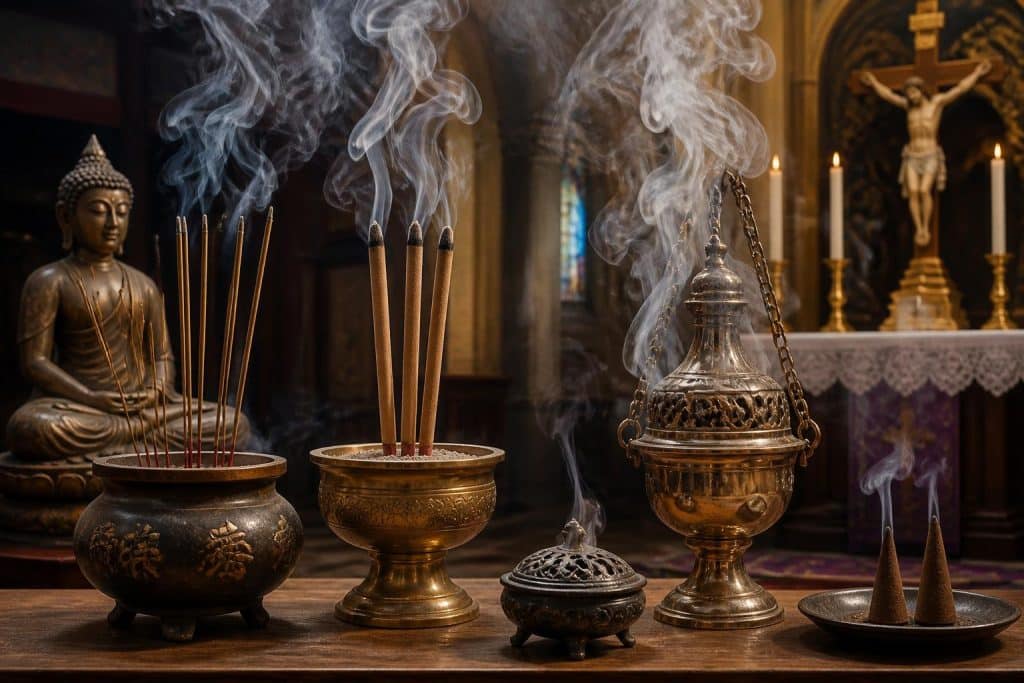
In Christianity, the use of incense during Mass represents the faithful’s prayers ascending to heaven. Incense is also present in rituals of Judaism and Buddhism. Zechariah, the father of John the Baptist, performed incense offerings in the temple, signifying faith and devotion.
Various cultures, including ancient Egyptians and Native Americans, have used incense for sacred ceremonies, purification, and healing. Such practices illustrate how incense serves as a bridge between the material and spiritual worlds.
The Impact on Art, Literature, and Society
Incense has also influenced art and literature. It symbolizes spirituality and transcendence, appearing in paintings and literary works throughout history.
Artists often depict scenes of worship, where living creatures surround altars filled with incense, capturing the relationship between the divine and earthly realms.
In literature, incense represents a multitude of themes, including sacrifice, devotion, and idolatry. Texts from different cultures often reference the fragrant smoke as a metaphor for purity and divine presence.
Moreover, societal beliefs about incense can reflect broader cultural values. In many communities, incense signifies respect and reverence during religious ceremonies.
Its cultural impact has persisted over time, reinforcing its importance in both individual and collective spiritual expressions.
