
The narrative found in the Gospel of John describing the resurrection at Bethany stands as one of the most profound miracles in scripture.
As readers encounter the details of illness and delay, a central historical and theological question emerges: did Jesus raise Lazarus from the dead after four days in the tomb?
The text confirms that Lazarus, a close friend of the Messiah, had indeed passed away before Christ arrived to perform this incredible act.
Upon reaching the gravesite, Jesus demonstrated absolute authority over mortality. This event was not merely a favor to a grieving family; it was a public display of divine power that foreshadowed his own victory over the grave.
Ultimately, this miracle served as a pivotal moment in his ministry. It revealed him as “the Resurrection and the life,” offering hope to all believers that death is not the final chapter.
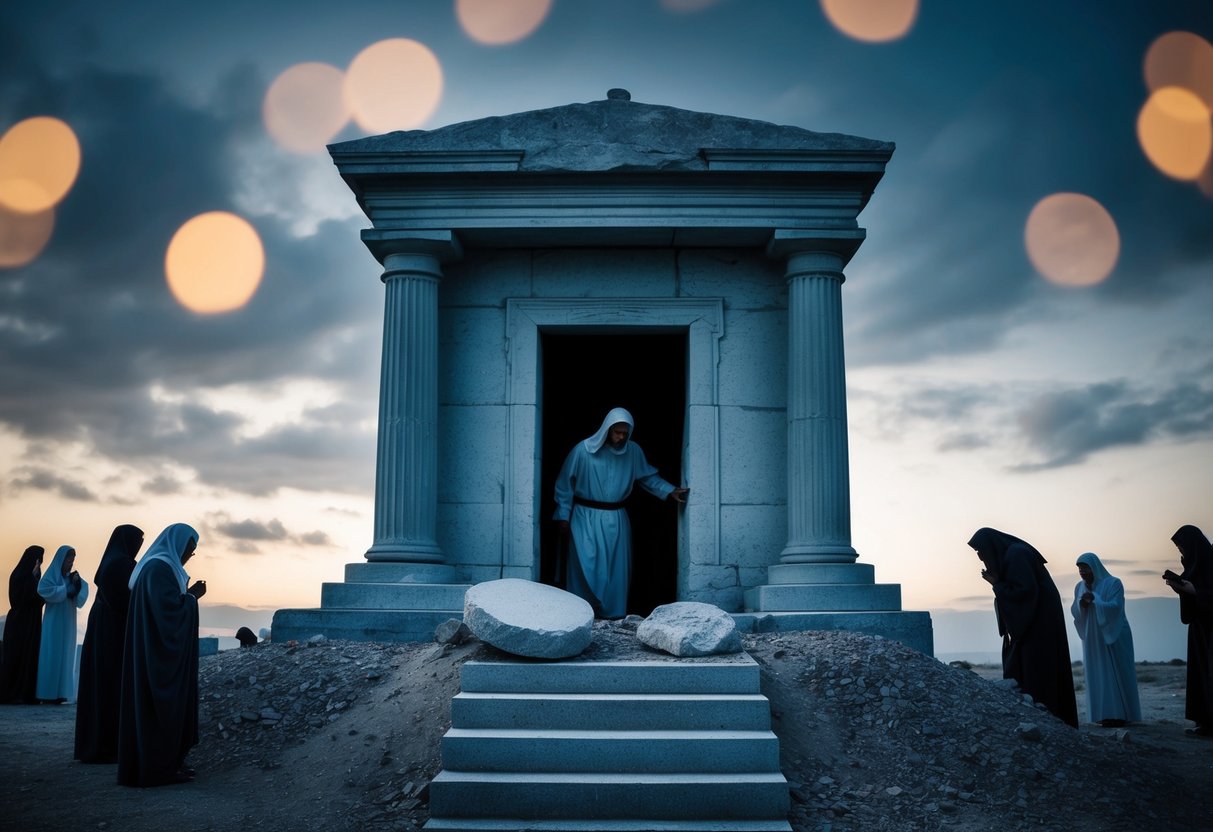
This miracle had a significant impact on the people who witnessed it. Many were moved to believe in Jesus because of this display of his ability to bring the dead back to life. However, it also sparked fear and hostility among religious leaders, who viewed Jesus as a threat to their authority.
Lazarus’s resurrection is a key example of how Jesus’s miracles served to both inspire faith and provoke opposition.
Understanding the story of Lazarus raises important questions about faith, life, and the nature of miracles. It invites readers to explore the significance of Jesus’s actions and what they reveal about his identity and mission.
The miracle of raising Lazarus is not just a tale of triumph over death; it carries deeper meanings that resonate throughout the Christian faith.
Historical Context of Lazarus’ Raising
The account of Lazarus’ raising is set against a backdrop rich in cultural, religious, and historical significance. Understanding this context helps clarify why this event was pivotal in the New Testament and how it influenced the people of Judea at that time.
Bethany as the Setting
Bethany was a small village located near Jerusalem, approximately two miles away. It was home to Lazarus and his sisters, Mary and Martha. This proximity to Jerusalem made Bethany a significant location for events during the time of Jesus.
Bethany was not just a backdrop; it was a place of deep personal connection for Jesus. It was here that he formed close relationships with Lazarus and his sisters.
The raising of Lazarus occurred in a rural setting that reflected the everyday lives of Jewish people during the first century.
Timeline in the Gospel of John
The event is detailed in John 11:1-44. The narrative highlights a critical timeline. Lazarus fell ill, and his sisters sent for Jesus. However, Jesus arrived four days after Lazarus’ death, which added to the impact of the miracle.
His delay signified a purposeful demonstration of his power over death.
The timing is also significant in relation to the Passover festival. This period saw heightened religious activity and tensions among Jewish religious leaders due to Jesus’ growing popularity. The event took place just before a crucial moment leading to Jesus’ own crucifixion.
Cultural and Religious Landscape of Judea
During the time of Lazarus’ raising, Judea was under Roman rule. The Jewish society was steeped in traditions and religious practices. Religious leaders held significant influence, often opposing Jesus and his teachings.
The concept of death and resurrection was central to Jewish belief. Many Jews anticipated a future resurrection. Therefore, the raising of Lazarus was not merely a miracle; it challenged the authority of the religious leaders and reinforced Jesus’ role as a miracle worker.
This act prompted both awe and concern among the Jewish leaders, setting the stage for future conflicts.
The Narrative of Lazarus in John 11
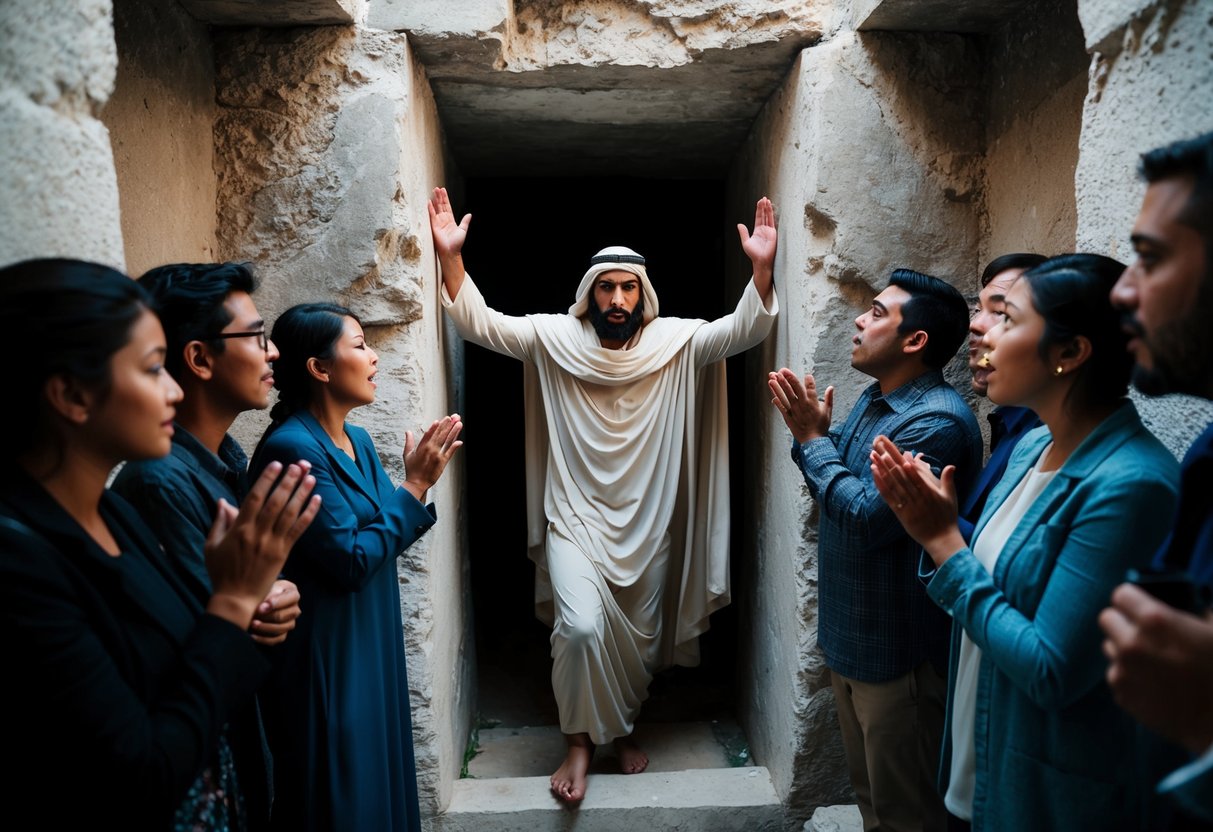
In John 11, the story of Lazarus showcases significant themes such as belief, compassion, and the promise of eternal life. The interactions between Jesus and Lazarus’s sisters, Mary and Martha, add depth to the narrative and highlight emotional responses to loss.
Jesus’ Message of Eternal Life
In this chapter, Jesus conveys a powerful message about eternal life. When Martha expresses her faith in Jesus, she declares, “I know that he will rise again in the resurrection at the last day” (John 11:24).
Jesus responds with a profound statement, saying, “I am the resurrection and the life.” This emphasizes that belief in Him grants eternal life, even beyond physical death.
The promise of resurrection shines through in Jesus’ words. He reassures Martha that faith in Him can conquer death itself.
This moment underscores the importance of faith for believers. It reassures them of hope and restoration beyond earthly life, reinforcing Jesus’ divine identity as the source of eternal life.
Mary and Martha’s Role
Mary and Martha play crucial roles in the narrative. They represent different responses to grief and faith.
Martha’s approach is more logical, seeking answers through discussion with Jesus. She articulates her belief but also shows her confusion about why Jesus delayed His arrival.
Mary, in contrast, expresses her sorrow more openly. When she meets Jesus, she simply says, “Lord, if you had been here, my brother would not have died” (John 11:32).
This highlights the depth of her grief and her faith in His healing power. Their contrasting reactions illustrate how individuals cope with loss differently while seeking understanding and comfort from Jesus.
The Emotional Response of Jesus
The emotional response of Jesus is a key aspect of the narrative. Upon seeing Mary and the others weeping, Jesus is deeply moved and troubled. This imagery is powerful; it shows Jesus’ compassion and empathy for human suffering.
In one of the most poignant verses, “Jesus wept” (John 11:35), reflects His heartfelt grief. It reveals His connection to humanity and the pain of loss.
Jesus’ tears exemplify that expressing emotions is not a sign of weakness but rather an authentic response to sorrow. This moment develops the narrative’s emotional depth, reminding readers that compassion is a vital part of the human experience.
Theological Interpretation
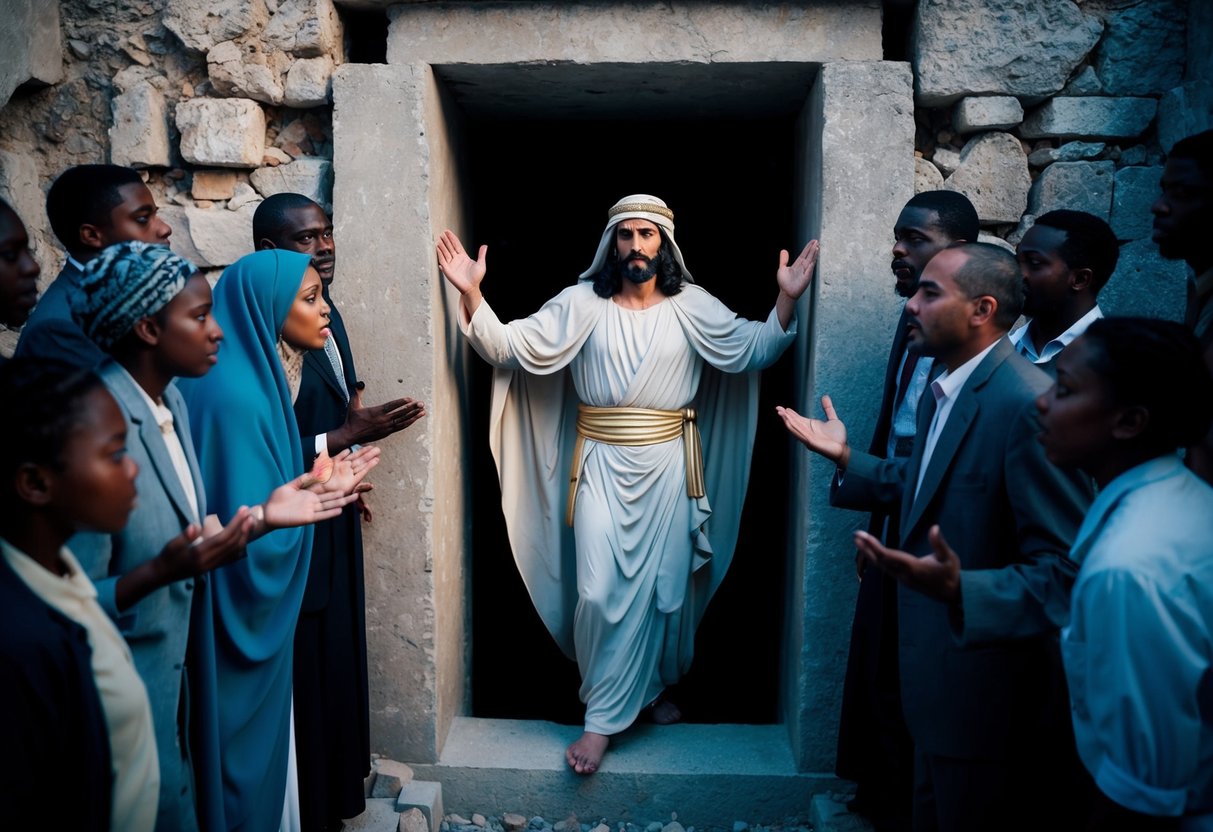
The miracle of Jesus raising Lazarus from the dead holds deep theological meaning. It highlights key aspects of divine identity, the concept of resurrection, and the implications for faith in eternal life.
Significance of the Fourth Day
In the Biblical context, Lazarus had been dead for four days before Jesus arrived. This timing is significant because, in Jewish belief, the soul was thought to leave the body after three days.
By raising Lazarus on the fourth day, Jesus demonstrated his ultimate authority over life and death. This act served as a powerful sign of his divine nature and the glory of God.
Jesus as the Son of God
The raising of Lazarus affirms Jesus as the Son of God. Throughout the Gospel of John, this miracle serves as a declaration of Jesus’ divine identity and his role as the Savior.
With this action, he confirms his power to grant eternal life. His ability to raise Lazarus shows that he possesses authority beyond the natural world. This moment reinforces faith in Jesus as the Messiah.
Implications for Belief in Resurrection
The event has profound implications for belief in resurrection. By resurrecting Lazarus, Jesus offers hope for believers in life after death.
It illustrates the promise of eternal life for those who have faith in him. The miracle points to Jesus’ future resurrection and the promise that all believers will be raised. The event serves as a cornerstone for Christian theology, emphasizing the importance of belief in resurrection and Jesus’ role in granting life.
Miracles and Signs in the Ministry of Jesus
Jesus’ ministry was marked by numerous miracles and signs. These events not only demonstrate his divine power but also serve to strengthen the faith of his disciples and followers. Among these, the raising of Lazarus stands out as a profound testament to Jesus’ authority over life and death.
Raising of Lazarus Among Other Miracles
The raising of Lazarus from the dead is one of the most significant miracles attributed to Jesus. According to the Gospel of John, Lazarus had been dead for four days before Jesus arrived.
Despite the doubts of those around him, Jesus commanded Lazarus to come out of the tomb. This act defied natural laws and displayed remarkable power.
Lazarus emerged, still wrapped in his grave clothes. This moment illustrated not only Jesus’ ability to conquer death but also served as a turning point in his ministry, prompting many to believe in him.
The story emphasizes that Jesus acted out of love for Lazarus and his sisters, Mary and Martha, further highlighting the personal nature of his miracles.
Jesus’ Healing Works
Throughout his ministry, Jesus performed numerous healing miracles. He cured the sick, restored sight to the blind, and even healed a woman suffering from a flow of blood. Each act of healing showcased compassion and authority.
For example, in Mark 1:34, it is noted that Jesus healed many sick individuals and cast out demons. His healing of the paralyzed man, who was lowered through a roof, demonstrated both his power and his ability to forgive sins.
These miracles were essential in affirming Jesus’ role as the Messiah. The healings not only benefited individuals but also served to inspire faith in the onlookers.
Comparison with the Healing of the Blind Man
The healing of the blind man in John 9 offers a contrasting miracle that highlights different aspects of Jesus’ ministry. In this instance, Jesus applied mud to the man’s eyes and instructed him to wash in the Pool of Siloam.
While both miracles reveal Jesus’ divine authority, the raising of Lazarus addresses death, showcasing his power over mortality. In contrast, the healing of the blind man focuses on restoration and enlightenment.
Both miracles emphasize belief and faith. They prompt observers and disciples to recognize Jesus’ identity and mission through tangible acts of compassion and divine power.
Sociopolitical Impact and the Path to Crucifixion
The raising of Lazarus from the dead had significant sociopolitical effects in Jerusalem, particularly among religious leaders. This miracle intensified existing conflicts, ultimately shaping the events leading to Jesus’ crucifixion.
Reaction from Pharisees and Jerusalem’s Leaders
The raising of Lazarus created a stir among the Pharisees and other religious leaders. They viewed this miraculous event as a direct challenge to their authority. Many saw it as proof that Jesus could be the long-awaited Messiah.
This claim disturbed the existing order. The leaders feared losing control and influence over the people, especially during the Passover season, when crowds gathered in Jerusalem. In response, they convened to discuss how to handle the situation.
The Pharisees expressed their concerns that allowing Jesus to continue his ministry could result in more followers. They worried that this could provoke Roman authorities, leading to unrest or violent conflict.
Consequences Leading to the Crucifixion
The fear of unrest prompted the council to act swiftly.
They believed that Jesus’ growing popularity would threaten their power and provoke Roman intervention.
As discussions intensified, the decision was made that Jesus had to be silenced.
They plotted to arrest him and initiated plans that would eventually lead to his crucifixion.
This chain of events highlighted the complex relationship between religious authority and the sociopolitical climate of Jerusalem.
The conflict between supporting Jesus as a potential savior and maintaining the status quo led to a fateful decision by the religious leaders.
