
Jesus emphasized the vital importance of communicating with the Father, viewing it not as a religious duty but as the lifeline of a believer’s spirit. Yet, many struggle with finding the right words, leading them to look at the Gospels and ask: how did Jesus teach us to pray effectively?
He made it clear that this connection should be sincere and personal, reflecting a true relationship rather than a hollow ritual.
Through various lessons, most notably the Lord’s Prayer, he provided a perfect model for approaching the divine with both reverence and trust. This template moves beyond vain repetition, offering a structure that covers praise, provision, and pardon.
By following his example, believers learn that prayer is less about changing God’s mind and more about aligning their own hearts with his will. It transforms a simple request into a profound act of worship.
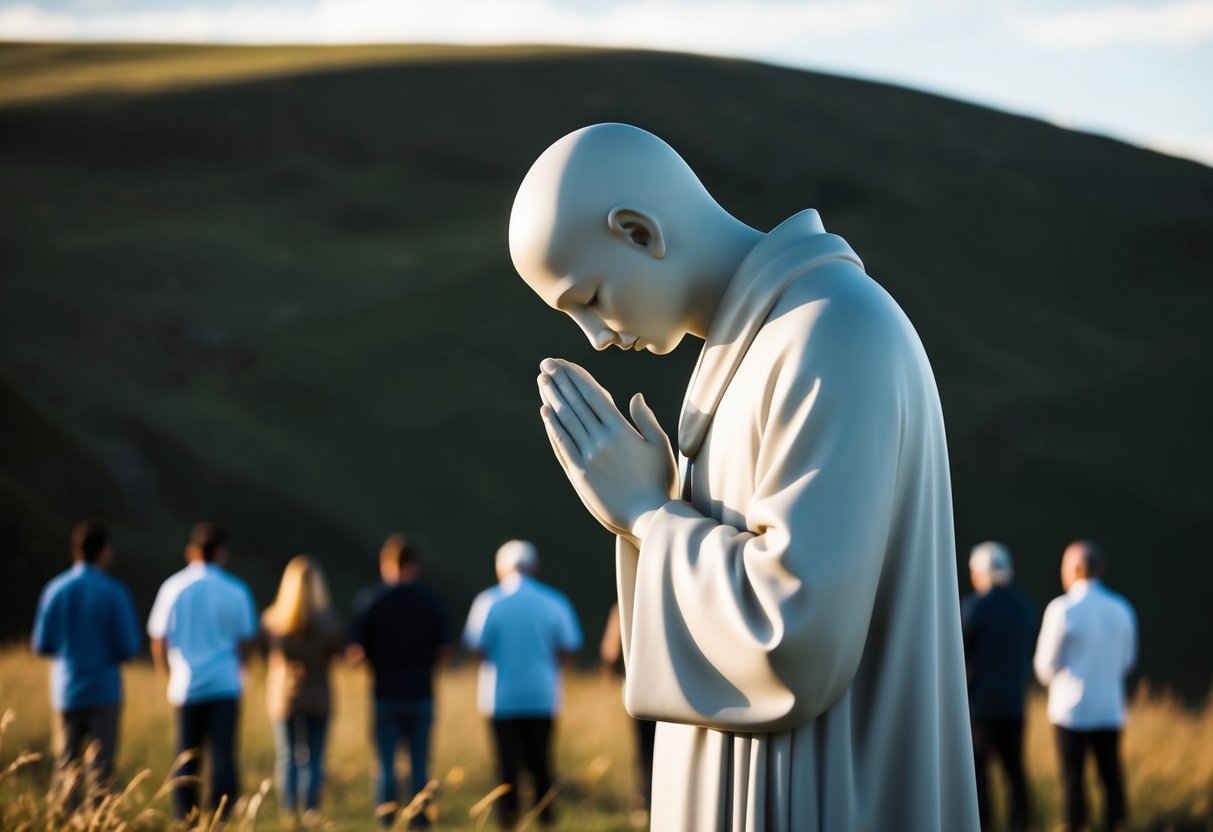
In several instances in the Gospels, Jesus modeled prayer for his followers. He often sought solitude to pray, showcasing the value of quiet moments with God.
This practice encouraged his disciples to view prayer not just as a routine, but as an essential part of their spiritual lives.
Understanding how Jesus taught about prayer can inspire individuals to develop a more meaningful prayer life. By following his example and teachings, believers can strengthen their relationship with God and experience a transformative connection through prayer.
The Context of Jesus’s Teaching on Prayer
Jesus’s teaching on prayer came in important settings where he addressed how individuals should communicate with God. His guidance focused on sincerity in prayer, contrasting personal devotion with public display. He emphasized the need for humility and authenticity in the way prayers are offered.
The Sermon on the Mount
During the Sermon on the Mount, Jesus offered foundational teachings on several life aspects, including prayer. He taught that prayer should be a personal act rather than a public show.
Followers were advised to pray in private, emphasizing that God listens to the heart and not the volume of one’s voice.
He also introduced the Lord’s Prayer as a model for how to approach God. The prayer outlines key elements that include reverence, daily needs, forgiveness, and spiritual guidance. This moment defined the essence of prayer as a means of building a relationship with God.
Instructions to the Disciples
When one of his disciples asked Jesus to teach them to pray, he provided specific instructions. He highlighted that prayers should not be filled with empty phrases or performed for show.
Instead, Jesus emphasized sincere, heartfelt communication with God.
Furthermore, he instructed his followers to maintain humility in their prayer lives. By encouraging his disciples to focus on their inner spiritual lives, he showed that the intent behind prayers is more significant than the act itself.
This instruction was aimed at shaping how followers approached God in both private and communal settings.
Critique of the Hypocrites
In his teachings, Jesus critiqued the behavior of hypocrites, particularly those who prayed in public to gain attention. He pointed out that some would stand in synagogues and on street corners, praying loudly to be seen by others.
This display missed the true purpose of prayer, which is a personal connection with God.
He stressed that such actions did not align with genuine faith. Instead, true prayer is about seeking God’s presence without seeking the approval of others. Jesus’s message was clear: authentic prayer should remain a private and sincere act of devotion, not a performance for social status.
The Lord’s Prayer: A Model for Petition

The Lord’s Prayer serves as a guideline for how to communicate with God. It emphasizes key themes such as devotion, dependence on God, and the need for spiritual and physical support.
Invocation to the Father
The prayer begins with the phrase “Our Father in heaven,” establishing a personal relationship with God. By addressing God as “Father,” it highlights intimacy and affection.
This invocation sets the tone for the rest of the prayer.
It reminds believers that God is approachable and loving. Calling Him “in heaven” underscores His holiness and divine authority. This two-fold recognition invites worship while stressing His position as the creator and sustainer of all.
Praying for God’s Kingdom
Jesus teaches to pray, “Your kingdom come.” This plea reflects a desire for God’s reign to be evident on Earth. It signifies a yearning for justice, peace, and God’s will to be done among all people.
This line encourages individuals to align their hearts with God’s purposes. Praying for the kingdom also serves as a reminder of future hope and restoration. It invites followers to actively reflect His values in daily life.
Daily Needs and Forgiveness
“Give us this day our daily bread” emphasizes dependence on God for everyday needs. This request spans beyond just physical nourishment; it includes spiritual sustenance as well. It acknowledges that all provisions come from God’s benevolence.
The line about forgiveness—”Forgive us our debts as we also have forgiven our debtors”—reveals the importance of mercy. It teaches that believers must actively participate in forgiveness.
This dual request stresses that receiving God’s forgiveness is linked to extending it to others.
Deliverance from Evil
The closing part, “And lead us not into temptation, but deliver us from evil,” addresses the struggle against sin. It acknowledges human frailty and the presence of the evil one.
This petition is a plea for protection and guidance. It indicates a need for God to keep believers from situations that could lead to wrongdoing. In essence, it seeks divine intervention in the dangers that may threaten spiritual well-being.
Principles of Effective Prayer

Effective prayer is rooted in specific principles that guide believers. These principles encourage a deeper connection with God, foster persistence in seeking His will, and emphasize trust in His plan, allowing individuals to grow spiritually.
Faith and Trust
Faith is essential in prayer. It involves believing that God hears and responds to requests.
Jesus taught that faith can move mountains and that a person should approach God with confidence. Trust means relying on God’s wisdom, knowing that His answers may differ from personal expectations.
In Mark 11:24, Jesus encourages asking with faith, promising that what is asked will be received. When one prays with genuine faith, it opens the heart to divine possibilities.
Trusting God also includes accepting His timing and methods. This relationship strengthens the believer’s connection with the divine.
Persistence in Asking
Persistence in prayer signifies an ongoing commitment to seeking God. Jesus told stories, like the Parable of the Persistent Widow, to highlight the importance of continual asking.
In Luke 18:1-8, a widow repeatedly seeks justice, showcasing determination.
Believers are encouraged to keep asking, seeking, and knocking, as seen in Matthew 7:7. This persistence reflects genuine desire and faith in God’s ability to intervene.
It nurtures resilience and builds spiritual stamina.
The Role of the Holy Spirit
The Holy Spirit plays a vital part in guiding prayer. Romans 8:26 explains that the Spirit helps in weaknesses, interceding when one does not know what to pray.
This assistance ensures that prayers align with God’s will.
The Holy Spirit also provides comfort and encouragement, helping individuals to stay faithful when faced with challenges. It empowers believers to express their needs and emotions authentically.
By being aware of the Holy Spirit’s presence, one can deepen their prayer life and experience greater intimacy with God.
Developing a Personal Prayer Life
Building a personal prayer life involves creating a deep connection with God. This process includes finding solitude for reflection, learning from Jesus’s example of prayer, and gaining wisdom to grow in this spiritual practice.
Solitude and Communion with God
Finding time for solitude is essential for a meaningful prayer life. Jesus often withdrew to quiet places, like the wilderness, to pray and connect with God.
This practice helps individuals escape distractions and focus on their personal relationship with the Holy Spirit.
In solitude, a person can listen and reflect, allowing for a stronger connection to God. It is in these moments of silence that clarity and insight often emerge.
Regularly setting aside time for prayer can lead to deeper understanding and peace.
The Example of Jesus’s Own Prayers
Jesus’s prayer life serves as a powerful model for believers. He emphasized the need for prayer through his actions.
For instance, he prayed before making important decisions and during times of distress.
Jesus taught his followers how to pray through simple yet profound examples. His prayers were genuine conversations with God.
This approach encourages others to express their thoughts, feelings, and questions honestly. Observing his practice shows that prayer can be both structured and spontaneous.
Wisdom and Growth in Prayer
Growing in prayer requires commitment and patience. Wisdom comes from consistent practice, allowing individuals to learn about their own spiritual needs.
Starting with simple prayers can help to build confidence over time.
As individuals pray regularly, they often find new insights into their faith and life’s challenges. They may receive guidance through the Holy Spirit, helping them navigate complex situations.
Developing a personal prayer life is not only about speaking but also about listening and responding to God’s presence.
The Role of Prayer in the Early Church
In the early church, prayer was central to community life and individual faith. It served as a way to connect with God, seek guidance, and support each other through various challenges. Prayer practices were not just personal; they were communal and intercessory, reflecting the church’s heart for both connection and mission.
Communal Prayer Practices
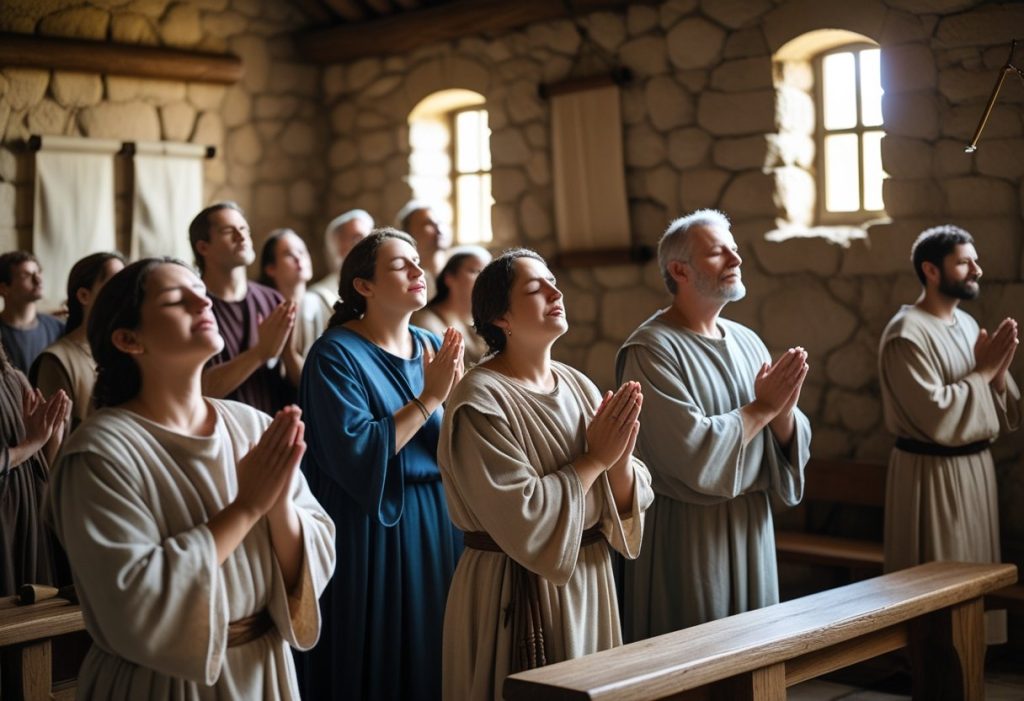
The early Christians valued communal prayer as a foundational practice. After Jesus’ ascension, the disciples gathered regularly to pray together.
This unity in prayer is highlighted in Acts 2:42, where they devoted themselves to the apostles’ teaching, fellowship, breaking of bread, and prayers.
Such prayer meetings fostered a deep sense of community and accountability.
They also prayed in large gatherings, often leading to significant spiritual outcomes. For instance, Pentecost was marked by a powerful outpouring of the Holy Spirit following collective prayer.
This demonstrates how communal prayer was a key part of their worship and mission, connecting them with God and each other.
Intercessory Prayer
Intercessory prayer played a crucial role in the early church. Believers often prayed for one another’s needs, demonstrating their love and support.
For instance, Paul frequently requested prayers for boldness in sharing the Gospel (Ephesians 6:19).
This act of intercession reflects the grace and unity present among the believers.
Additionally, prayers were offered not only for personal needs but for the entire community. Acts 12:5 illustrates this, where the church prayed earnestly for Peter when he was imprisoned.
These prayers show the church’s commitment to act as a mediator for each other, seeking God’s intervention in times of distress.
Prayer in Persecution and Trials
Prayer was vital for the early church during times of persecution. Faced with challenges, believers turned to prayer for strength and guidance.
Acts 4:24 records how early Christians responded to threats by lifting their voices to God in prayer. They sought boldness to continue proclaiming the Gospel despite opposition.
The high priestly prayer in John 17 also sets a model for their approach. Jesus prayed not only for his disciples but also for those who would believe through their message.
This demonstrates the importance of seeking God’s protection and empowerment in the face of trials, emphasizing their reliance on divine support amid difficult circumstances.
