
Due to misunderstandings about the resurrection or distinct end-time prophecies, some curious believers find themselves asking exactly how did Jesus die the second time. However, according to core Christian teachings and scripture, Christ died only once for the sins of humanity.
His resurrection was a unique, eternal event that signified a total victory over the grave, rather than a return to a mortal life that would eventually end in another death.
Therefore, the concept of a second physical death for Jesus contradicts the biblical promise that He lives forevermore.

The concept of the “second death” is often misunderstood. It refers to a spiritual condition experienced by those who reject salvation, rather than a physical death that Jesus would have experienced again.
This distinction is important for understanding Christian faith and the significance of Jesus’ sacrifice.
Exploring this topic reveals much about the foundations of Christian belief. The resurrection is celebrated not as a return to life that leads to further death, but as a transformative triumph that offers hope and salvation to believers.
Understanding this can deepen one’s insight into the core principles of the faith.
Theological Context of Death
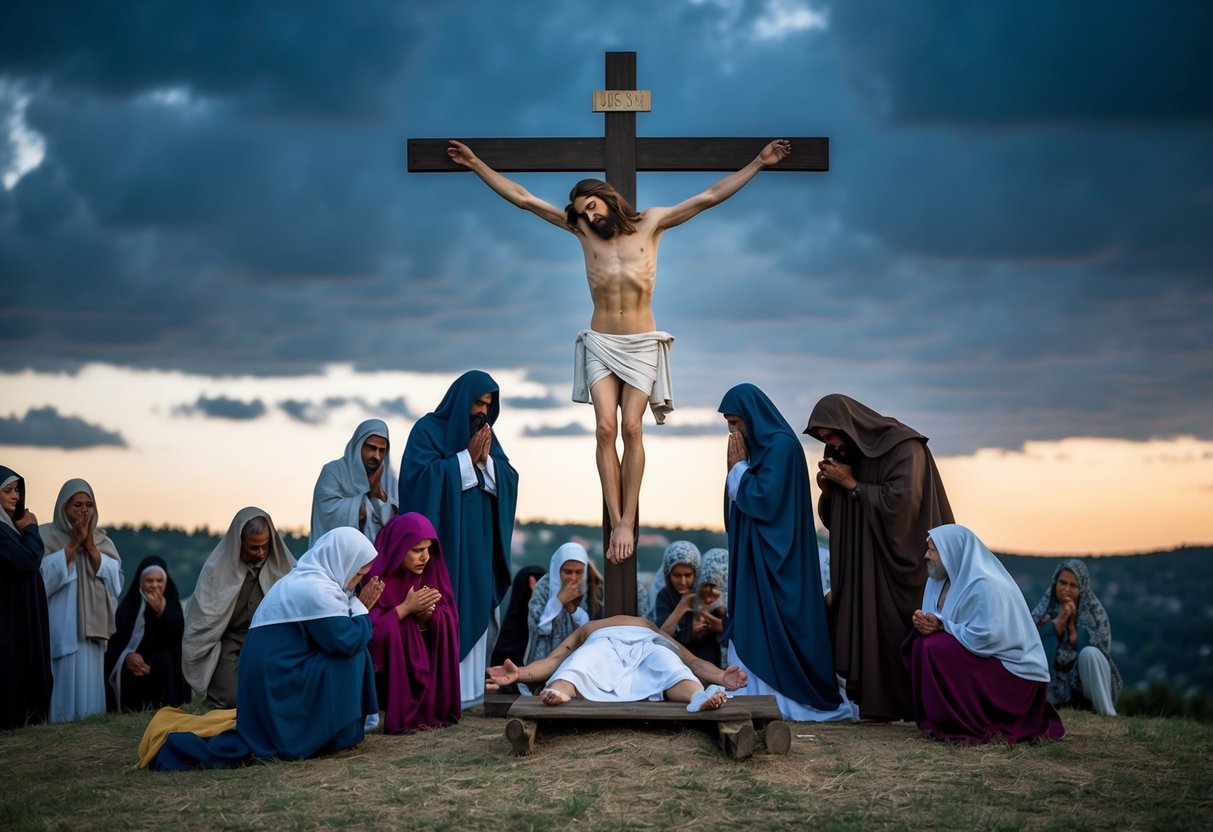
The theological context of death in Christianity emphasizes the concepts of sin, redemption, and the fate of the soul.
It distinguishes between the physical death that everyone faces and the spiritual consequences believed to follow, particularly the idea of the second death.
Concept of Sin and Redemption
Sin is a core concept in Christian theology. It represents the moral failures that separate individuals from God. According to Christian belief, this separation leads to spiritual death, which is more than physical death.
Redemption is key to addressing this sin. Through Jesus’ sacrificial death, he offers a way for believers to overcome their sins and restore their relationship with God.
This is foundational to Christian faith, emphasizing grace and forgiveness.
Christian Beliefs about the Soul and Afterlife
Christian theology holds that the soul is eternal. Upon death, the soul separates from the body. Believers expect to face judgment that will determine their eternal destination.
The afterlife is seen as either union with God in heaven for the faithful or separation from God in hell for the unrepentant. This belief shapes how Christians view life, encouraging them to live according to their faith’s teachings.
Distinction between the First and Second Deaths
The first death refers to the physical death that all humans experience. It is a natural part of life and does not determine one’s eternal fate.
In contrast, the second death represents spiritual death, which occurs after physical death for those who do not believe in Christ.
The second death leads to eternal separation from God. Scriptures, such as Hebrews 9:27, emphasize that each person dies once and then faces judgment.
Understanding this distinction helps clarify the urgency of redemption in Christian theology.
Historical Account of Jesus’ Crucifixion
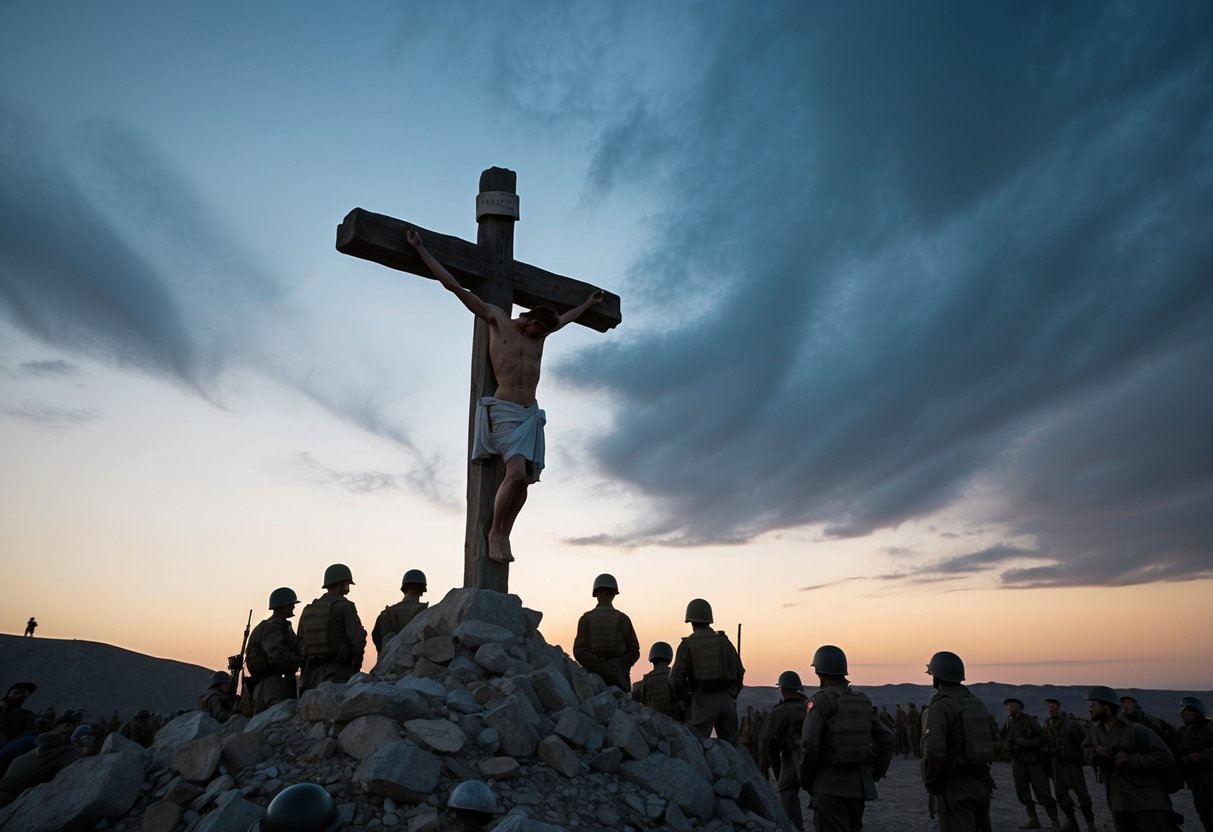
The crucifixion of Jesus is a profound event that has been recorded in various historical sources. This section explores the key events surrounding Good Friday and touches on the circumstances of the empty tomb and the verification of Jesus’ death.
Events of Good Friday
On Good Friday, Jesus was arrested after the Last Supper. He was brought before the Jewish Sanhedrin, who charged him with blasphemy. The Sanhedrin lacked the authority to impose death sentences and sought permission from the Roman governor, Pontius Pilate.
Pilate initially found no fault in Jesus, yet due to public pressure, he sentenced Jesus to crucifixion. Soldiers led him to Golgotha, where he was nailed to a cross between two criminals.
The gospels describe various events during the crucifixion, including darkness falling over the land and Jesus’ final words. After hours of agony, he breathed his last.
The Empty Tomb and Verification of Death
Following Jesus’ crucifixion, his body was placed in a tomb owned by Joseph of Arimathea. The tomb was sealed with a large stone, and a guard was set to ensure no one would tamper with it.
According to the gospels, women visited the tomb early on the third day, only to find it empty.
Several accounts confirm this discovery, including encounters with angels proclaiming Jesus’ resurrection.
Roman records and Jewish writings also suggest that the tomb was found empty, leading to various theories about Jesus’ body.
Historians note that the empty tomb and subsequent appearances of Jesus are key pieces of evidence supporting the belief in his resurrection.
Doctrine of Resurrection and Ascension
The resurrection of Jesus is a central event in Christianity, celebrating victory over death. Following this, his ascension emphasizes his exalted status and ongoing role in the faith.
Significance of Easter Sunday
Easter Sunday commemorates the resurrection of Jesus from the dead. This event is fundamental, as it symbolizes hope and the promise of eternal life for believers.
According to Christian teachings, Jesus died on a Friday and rose on the third day, which is celebrated as Easter.
The resurrection is mentioned in all early church creeds, highlighting its importance. It reassures followers that Jesus conquered sin and death, offering salvation.
It also serves as a reminder of the power of faith and the potential for renewal in one’s life.
Many Christians attend church services, participate in special meals, and engage in community activities on this day to celebrate and remember the resurrection. Easter is also marked by various traditions that emphasize new life and joy.
Ascension to the Exalted Position
Following his resurrection, Jesus spent 40 days with his disciples, teaching and guiding them before his ascension. This period was significant for instructing his followers about the Kingdom of God.
The ascension itself, sometimes overlooked, is a key moment in Christian doctrine.
At this event, Jesus ascended to heaven, where he takes an exalted position at the right hand of God. This location reflects his authority and divine status.
The ascension affirms believers’ faith in his resurrection and is a crucial part of the Christian understanding of Jesus as both human and divine.
The Great Commission, given during this time, calls on followers to spread the message of Christ. This underscores his ongoing influence and presence in their lives.
The belief in the ascension supports the idea that Jesus continues to intercede for humanity, completing his redemptive work.
Final Judgment and Eternal Life
The concepts of final judgment and eternal life are central to Christian belief. They highlight the outcome of one’s faith and actions in life. These teachings emphasize both the consequences of one’s choices and the promise of eternal existence.
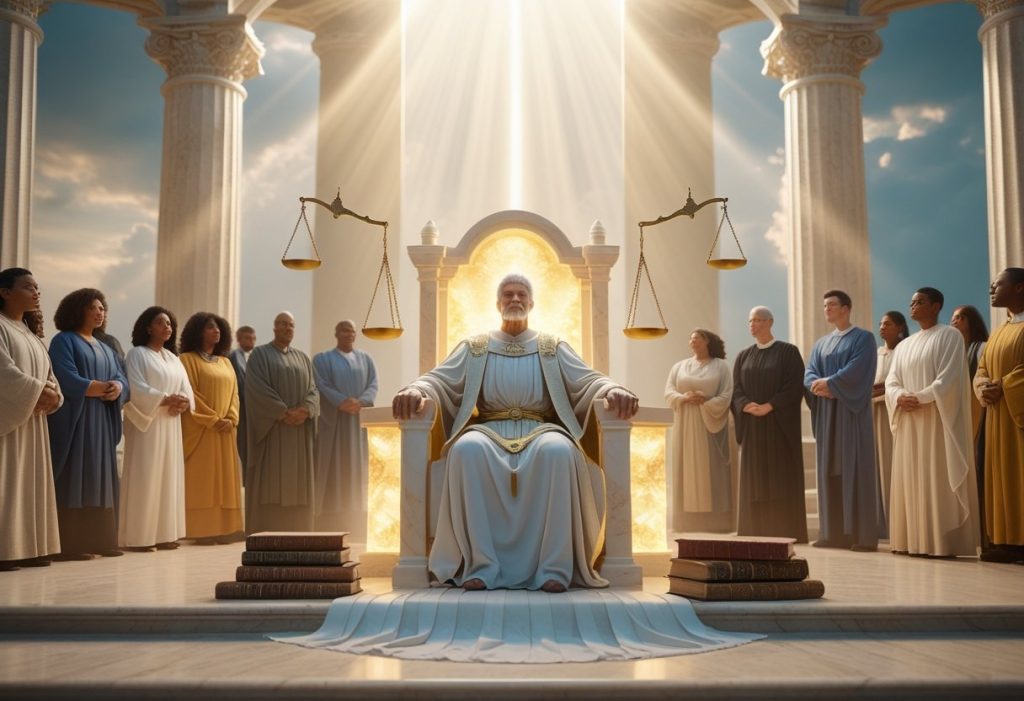
Teachings on the Last Day and Final Judgment
Christian teachings often speak of a day when Jesus will return to judge all people. This event is known as the final judgment. According to scriptures, every person will stand before God and account for their lives.
Those who have faith in Christ will receive eternal life. In contrast, those who reject Him face severe consequences, often described as hell or the lake of fire.
Revelation 20:11-15 paints a vivid picture of this judgment, emphasizing the reality of eternal separation from God for the unredeemed.
The final judgment serves as a reminder of justice and grace. It assures believers that God is fair and will act according to His perfect justice.
The Concept of Eternal Life in Christian Theology
Eternal life is a core belief in Christianity, promised to those who accept Christ. It is often described as living forever in God’s presence.
This notion gives hope and purpose to believers, guiding their actions and faith.
Eternal life is not merely endless existence but a deep relationship with God. Scriptures highlight its significance, emphasizing the joy and peace that come from this connection.
Unlike the consequences in hell, which are eternal separation and suffering, eternal life brings fulfillment and everlasting joy.
Revelation 2:11 encourages believers to remain faithful, assuring them that they will not be hurt by the second death. This promise reinforces the importance of faith and steadfastness in the hope of eternal life.
Interpreting ‘Second Death’ Within Christian Eschatology
The concept of the “second death” is a crucial part of Christian eschatology. It often relates to themes of judgment and eternal separation. Understanding this concept requires looking at key biblical passages and various theological perspectives.
The Second Coming of Jesus
The Second Coming of Jesus is a significant event in Christian belief. It represents the return of Christ to judge the living and the dead. This event fulfills biblical prophecies and emphasizes God’s ultimate authority.
In Revelation 20:11-15, the dead are judged based on their actions. Those whose names are not found in the Book of Life will face the second death.
This aspect reflects a theological view that stresses the importance of faith and obedience in relation to eternal life.
This resurrection of judgment serves as a stark reminder of the consequences of one’s earthly choices. It reveals the belief that there is no second chance after death, making the Second Coming a critical moment in eschatological teachings.
The Lake of Fire as Described in Revelations
The lake of fire is depicted in the Book of Revelation as the final place of punishment.
It is often connected to the second death, where unrepentant sinners face eternal separation from God.
Revelation 20:14-15 shows that this lake serves as a symbol of ultimate judgment. It signifies death, torment, and exclusion from God’s presence.
This teaching underscores the seriousness of rejecting God’s grace.
Theological perspectives vary, with some viewing the lake of fire as a literal location, while others interpret it metaphorically.
Regardless of interpretation, the lake of fire represents the final consequence of sin and rebellion against God. Understanding this helps believers grasp the weight of their spiritual choices and the realities of Christian eschatology.
