
The opening of John’s Gospel introduces a profound theological concept that has captivated believers for centuries. When studying this text, the central question often arises: is Jesus the word mentioned in the very first verse?
The answer is a resounding yes, as He represents both the divine nature and God’s role in creation.
This concept stems directly from the scripture stating that “In the beginning was the word, and the word was with God, and the word was God.”
Here, the title symbolizes the very essence of God made manifest, confirming that Jesus is the eternal expression of the Father’s will.

This identification of Jesus as the Word highlights His uniqueness and the relationship He shares with God the Father. As the Word, Jesus serves as a bridge between humanity and the divine, revealing God’s character and intentions to the world.
Understanding Him in this way brings greater depth to the significance of His life and teachings.
Delving into the meaning of “the Word” invites readers to explore profound themes of existence, faith, and revelation. As they journey through this concept, they can uncover the vital role Jesus plays as the embodiment of God’s message and purpose in history.
The Concept of the Word in Christian Theology
In Christian theology, the term “Word” carries deep significance, rooted in both Greek philosophy and Hebrew traditions. Understanding these foundations provides insight into the identity of Jesus as the Word and his role in divine revelation.
Logos: The Greek Philosophical Origins
The concept of Logos originates from Greek philosophy, particularly from the thoughts of thinkers like Heraclitus and later the writings of Philo of Alexandria. In Greek thought, Logos refers to a principle of order and knowledge, embodying reason and thought.
In the context of the New Testament, especially in the Gospel of John, Logos is expressed as the eternal and creative force of God. “In the beginning was the Word” highlights the importance of Logos in creation and truth, showing that it is integral to understanding God’s nature.
Through this lens, Jesus is viewed not just as a messenger but as the very embodiment of divine revelation.
The Word in Hebrew Context: Memra
In Hebrew tradition, the notion of “Word” is closely linked to the term Memra, used in Targums, which are Aramaic translations of the Hebrew Bible. Memra represents God’s spoken word and active presence in the world.
This concept emphasizes that God’s communication with humanity is substantial and ongoing. It portrays the Word as a dynamic force, manifesting in creation and revelation.
The relationships between God, the Word, and humanity reveal key theological truths about redemption and divine intention.
Thus, in both Greek and Hebrew contexts, the concept of the Word establishes Jesus’s role as central to understanding truth and divine interaction.
Biblical Foundations of Jesus as the Word

The concept of Jesus as the Word is deeply rooted in Scripture. Key passages highlight His role in creation, His identity in the New Testament, and how these ideas connect throughout the Bible. The following sections explore this foundation, detailing His significance as the Word.
Prologue of John’s Gospel: John 1:1
In the prologue of John’s Gospel, the verse John 1:1 introduces the idea of Jesus as the Word. It states, “In the beginning was the Word, and the Word was with God, and the Word was God.” This verse emphasizes that Jesus existed before creation and is both distinct from and one with God.
The term “Word” signifies God’s ultimate expression. It also links to the concept of communication. The Word governs all creation as it represents God’s thoughts and intentions.
John’s emphasis on “the Word” sets a foundational understanding that Jesus embodies divine truth and authority.
This introduction positions Jesus as central to the faith. The passage enriches the understanding of Jesus as not only a historical figure but also the divine Agent through whom life and light enter the world.
The Word in Creation: Genesis 1
The creation account in Genesis 1 reveals how God’s Word brings forth life and order. “And God said, ‘Let there be light,’ and there was light” shows the power of God’s spoken Word.
In this context, the Word acts as the creative force behind all things.
Jesus, as the Word, is acknowledged as present in this creative act. Colossians 1:16 supports this by stating, “For by Him all things were created.” The connection between Genesis 1 and John’s Gospel highlights that Jesus is the source of both physical and spiritual life.
The emphasis on light in Genesis aligns with the prologue of John’s Gospel, where Jesus is described as the “light of men.” This imagery reveals Jesus’ role in dispelling darkness and bringing understanding to humanity.
Fulfillment in the New Testament: Colossians
The New Testament letters further affirm Jesus’ identity as the Word of God. In Colossians 1:15, Jesus is described as “the image of the invisible God.” This phrase illustrates that Jesus perfectly represents God’s character and nature.
The connection between Jesus and creation is emphasized here. Paul states that all things were created through Him and for Him. This further solidifies Jesus’ authority and role in both the physical and spiritual realms.
Through the New Testament, the theme of life and light continues. Jesus is presented as the One who brings eternal life and understanding. The alignment of these messages across various books confirms the foundational truth that Jesus, as the Word, is essential to the Christian faith.
The Incarnation of the Word: Jesus as God and Man
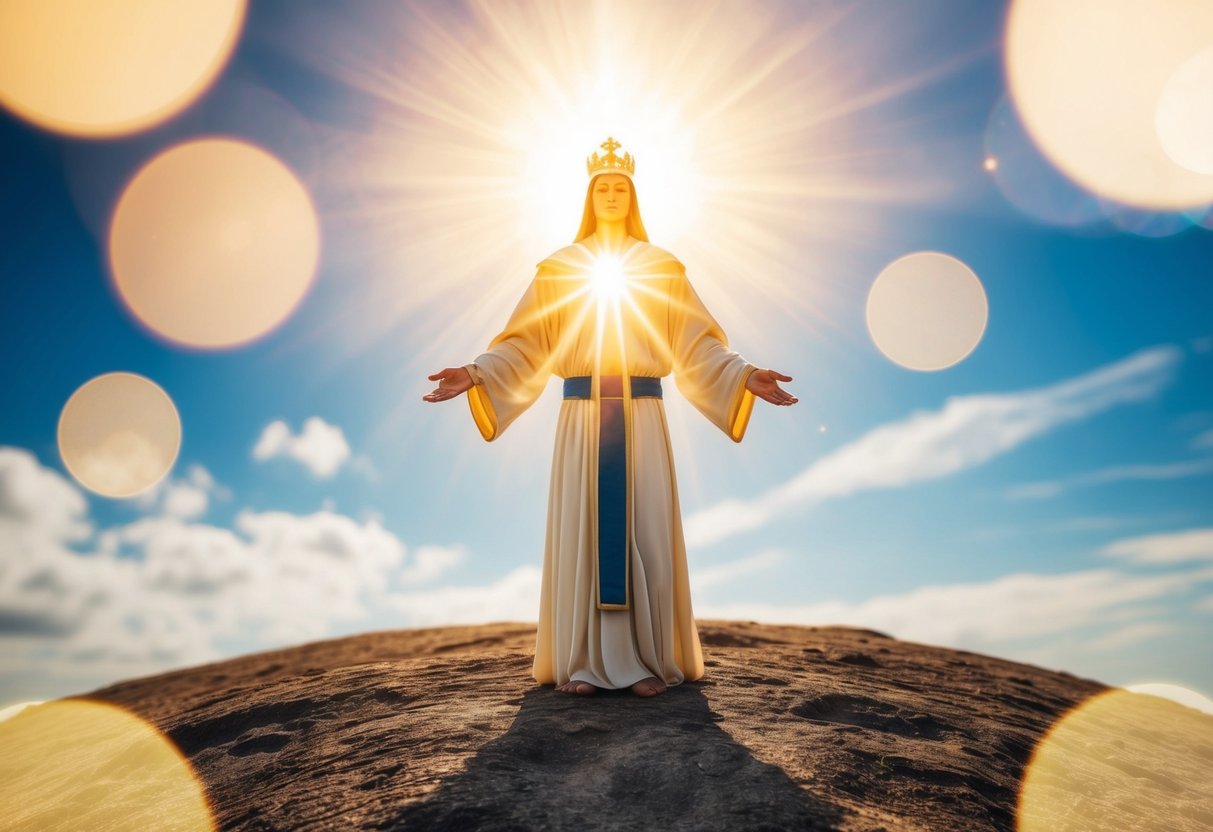
The concept of incarnation highlights how Jesus Christ embodies both divine and human natures. This section explores the significance of His dual nature, portraying Him as the source of light and life for humanity.
Theological Significance of the Incarnation
The Incarnation signifies that Jesus is both fully God and fully man. As stated in John 1:14, “The Word became flesh and dwelt among us.” This act is central to Christian theology, affirming that God chose to enter human experience.
Through the Incarnation, Jesus reveals God’s nature. He embodies grace and truth, showcasing divine love and compassion. By taking on flesh, He connects with humanity, understanding human struggles and suffering. This connection establishes a pathway for people to relate to the divine.
Moreover, the Incarnation affirms the belief in eternal life offered through Jesus. His human form allows Him to communicate God’s message effectively. Thus, He becomes a bridge between God and mankind, fulfilling prophecies and providing hope.
Jesus: The True Light and Life
In the Gospel of John, Jesus is described as the “Light of Men.” This highlights His role in dispelling darkness and ignorance. His teachings illuminate the way to truth and understanding.
Jesus not only offers guidance but also Eternal Life. He states in John 10:10, “I have come that they may have life, and have it to the full.” This promise speaks to the transformative power of accepting Him as Savior.
Through His life on Earth, Jesus illustrates Godliness. He exemplifies how to live in accordance with God’s will, demonstrating love and selflessness. His actions and teachings empower believers to reflect this light in their lives.
The Incarnation thus presents Jesus as the cornerstone of faith, where divinity meets humanity, providing hope and a path to spiritual fulfillment.
The Word in Christian Life and Worship
The concept of “The Word” is central to Christian life and worship. It encompasses how believers engage with scripture and integrate it into their daily practices, shaping their faith and connection to God.
The Word in Liturgy and Prayer
In Christian liturgy, “The Word” plays a crucial role. Scripture readings are often the centerpiece of worship services. These readings provide the foundation for prayers, hymns, and sermons, guiding the community in their worship.
Liturgical texts frequently highlight themes of truth, grace, and the Spirit’s power. For instance, the readings may convey God’s promises and calls for faith and repentance.
During prayer, believers acknowledge the significance of the Word, seeking alignment with God’s will.
The Holy Spirit is believed to illuminate scripture, helping worshippers grasp its meaning and relevance. This interaction enhances prayers, allowing individuals to express their hopes, concerns, and gratitude in a way that honors God the Father.
Living by the Word: Practical Implications
Living by “The Word” means applying biblical teachings in everyday life. It encourages believers to make choices that reflect God’s values. This involves acting with integrity, love, and compassion.
For instance, engaging in service to others embodies the Spirit of the Word. Acts of kindness reflect a commitment to living out one’s faith. Grace plays a key role here; it empowers individuals to forgive and offer second chances, reinforcing community bonds.
Faith is essential in this process. It inspires believers to trust in God’s promises and guidance, even during challenges.
By immersing themselves in scripture, they gain insights that promote spiritual growth and fulfilling relationships. Ultimately, living by the Word nurtures a vibrant Christian life.
Christ: The Word in Relationship with the Trinity
In Christian theology, the relationship between Christ and the Trinity is fundamental. This section explores how the Father, Son, and Holy Spirit interact and the role of Jesus as a key figure within this framework.
The Interrelation of the Father, Son, and Holy Spirit
The Trinity consists of three distinct persons: the Father, the Son (Jesus), and the Holy Spirit. These three are united in essence while maintaining their individuality.
- The Father is often viewed as the source or origin of the Trinity. He initiates the plan for creation and salvation.
- The Son, referred to as the Word, is fully divine and coexists with the Father. John 1:1 states, “In the beginning was the Word, and the Word was with God, and the Word was God.”
- The Holy Spirit acts as the presence of God in the world today, guiding and empowering believers.
This interrelationship highlights the unity of purpose among the three, working together in harmony.
Christ’s Role as Mediator
Jesus holds a unique position as the Mediator between God and humanity.His life, death, and resurrection enable a restored relationship with God.
- As the Son, He fulfills the role of Advocate. He intercedes for believers, presenting their needs to the Father.
- His sacrifice provides atonement for sin, allowing humans to approach God without fear.
In this mediator role, Jesus emphasizes the accessibility of God’s grace.
While distinct, the roles of the Father, Son, and Holy Spirit remain interconnected, underscoring the theological significance of the Trinity in Christianity.
