
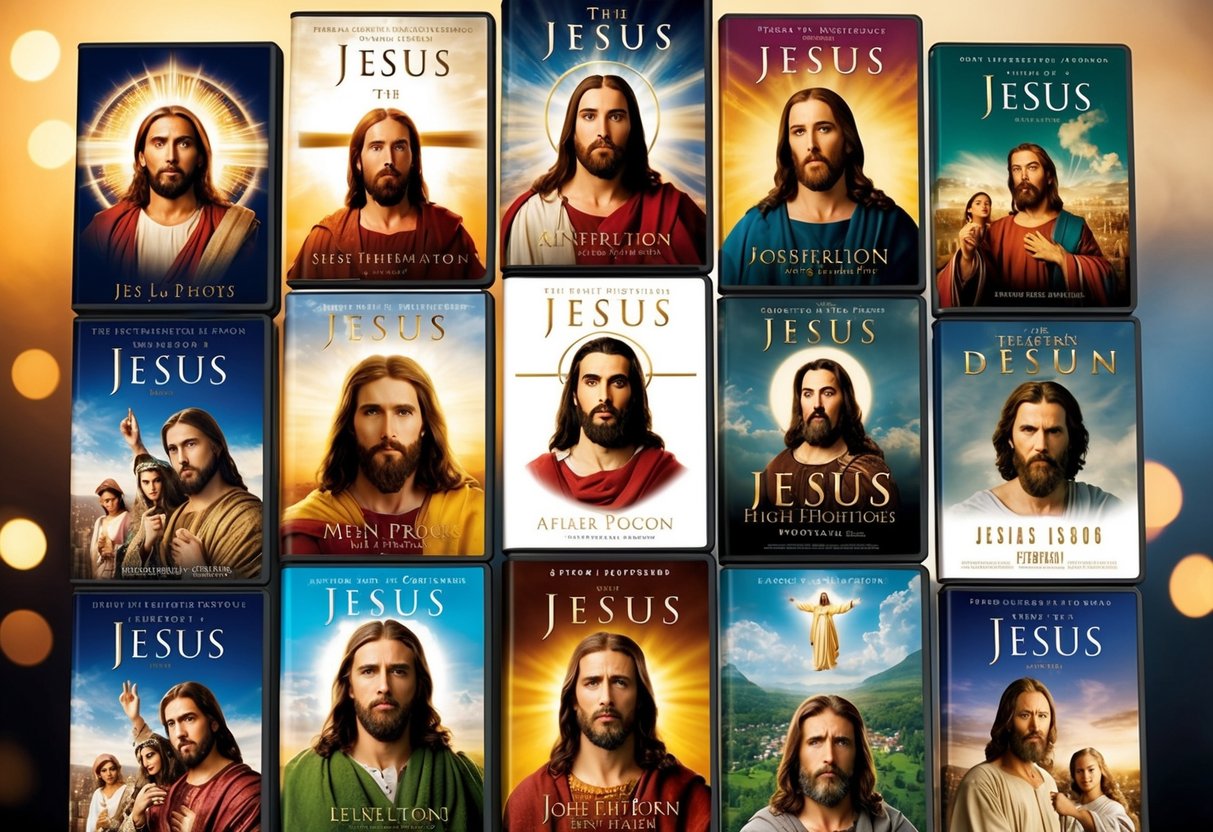
Movies about Jesus have been a vital part of cinema since its inception, captivating audiences with stories of faith. Many film enthusiasts often wonder, how many Jesus movies are there exactly, as they explore his life and profound impact on humanity. This genre spans over a century, evolving from silent films to modern cinematic masterpieces.
With over 100 films focusing on Jesus, the selection ranges from mainstream blockbusters to independent projects. This variety reflects the lasting interest in his story and diverse cultural perspectives. While some movies focus on his historical ministry, others emphasize his spiritual teachings and miracles.
From classic Hollywood epics to modern streaming series, these adaptations continue to shape our visual understanding of biblical events. Whether through drama, animation, or musicals, the sheer volume of productions highlights the universal appeal of his message. Exploring this extensive filmography offers a unique look at the history of storytelling.

Each film brings a unique interpretation, giving viewers insight into key moments of Jesus’ life. This diversity can be seen in both classic movies, such as “The Passion of the Christ,” and newer releases like “Journey to Bethlehem.”
Through these films, audiences can engage with the teachings of Jesus in ways that resonate with their personal beliefs and experiences.
This blog post will take a closer look at the number of Jesus movies available, highlighting some notable titles and discussing how they represent his journey. Understanding this aspect of cinema can enrich one’s appreciation for the stories that continue to inspire and educate people around the world.
Historical and Cultural Context
The portrayal of Jesus in films reflects a rich historical and cultural background. Jesus of Nazareth grew up in 1st-century Judea, a region under Roman rule.
The Hebrew and Aramaic languages were commonly spoken, emphasizing the cultural setting of his life.
The Biblical account records significant figures, including his parents, Joseph and Mary. Mary Magdalene, a key disciple, is often depicted alongside him, highlighting the role of women in early Christianity.
John the Baptist played a vital role as Jesus’ forerunner. Their relationship is crucial in understanding Jesus’ mission and message.
Many films explore themes of exile, faith, and redemption, which are central to Christianity.
Biblical characters like Judas Iscariot introduce complex dynamics. His betrayal is a pivotal moment in the narrative. The story of Ruth from the Hebrew Bible also connects to themes of loyalty and devotion found throughout Christian teachings.
Various adaptations bring these characters to life in different ways. Some films present a historical context, while others focus more on spiritual aspects, reflecting society’s changing values. The success of these films indicates a continuing interest in Jesus’ life and teachings, influencing both personal beliefs and broader cultural discussions.
Early Cinematic Portrayals
The portrayal of Jesus in film began in the silent era, with significant contributions that shaped future representations.
One of the earliest films is From the Manger to the Cross (1912). This movie is known for its ambitious attempt to depict the life of Jesus from birth to crucifixion. Its use of location shooting added a sense of authenticity.
Intolerance (1916), directed by D.W. Griffith, included the life of Jesus as part of a larger narrative. This epic film linked various stories to show societal issues across different time periods, highlighting Jesus’ message within a broader context.
King of Kings (1927) is another landmark film. Directed by Cecil B. DeMille, it is known for its dramatic portrayal of Jesus’ life and crucifixion. The film’s large budget allowed for impressive sets and special effects, creating a lasting impact on religious cinema.
These early films set the stage for how Jesus would be portrayed in later cinema. They explored themes of sacrifice, faith, and redemption. Each film contributed uniquely to the conversation about Christ’s life and significance.
As filmmakers experimented with storytelling techniques, the imagery and themes evolved, paving the way for modern adaptations seen today.
Major Jesus Films and Productions

Many films have depicted the life and teachings of Jesus. Some of the most notable include:
- The Greatest Story Ever Told: This epic film explores the life of Jesus from his birth to resurrection.
- The Gospel According to St. Matthew: Directed by Pier Paolo Pasolini, this film presents a straightforward telling of Matthew’s account of Jesus’s life.
Musicals also feature Jesus prominently. For example, Jesus Christ Superstar offers a rock opera take on the last days of Jesus.
Another significant work is The Jesus Film, released in 1979. It has been viewed by billions and translated into many languages, making it one of the most widely seen films about Jesus.
The Last Temptation of Christ presents a controversial interpretation of Jesus’s life, focusing on his humanity and struggles. In contrast, The Passion of the Christ shows the final hours of Jesus and highlights his suffering during crucifixion.
Other films include Son of God, which retells the story of Jesus, and Risen, which centers on a Roman soldier’s investigation of the resurrection.
The Nativity Story focuses on the events surrounding Jesus’s birth, while The Young Messiah imagines his early years.
These films contribute to the rich history of Jesus movies, showcasing various perspectives on the life of this influential figure.
Biblical Epics and Adaptations
Many films depict Jesus’ life through biblical epics and adaptations. These movies often focus on key events, such as the Nativity, Crucifixion, and Resurrection.
Ben-Hur is a classic tale that intertwines the story of Jesus with the life of Judah Ben-Hur. It explores themes of redemption and forgiveness.
The Robe follows the story of a Roman tribune who witnesses the Crucifixion and is changed by the experience. This film offers a unique perspective on early Christianity.
Barabbas tells the story of the man pardoned instead of Jesus. It examines forgiveness and the impact of Jesus on those who encountered him.
Several animated adaptations, like The Miracle Maker, bring the story of Jesus to life for younger audiences. It blends stop-motion animation and traditional techniques to tell Jesus’ life.
The Gospel of John presents a more direct retelling of Jesus’ life, focusing on his teachings and miracles in a dramatic style.
Films such as The Messiah and Son of Man provide alternative views on biblical narratives. They tackle contemporary themes while remaining rooted in traditional stories.
Other notable works include The Encounter, which presents a modern-day interpretation of Jesus interacting with ordinary people.
Analysis and Impact on Society
The portrayal of Jesus in films has varied widely over the years.
Early films often depicted him in a more traditional light, while recent productions explore complex themes.
Films like The Passion of the Christ and Killing Jesus show intense and personal narratives about his life.
Documentaries also play a significant role in how society views Jesus. They often provide historical context and interpretations of biblical events.
Titles like Mary of Nazareth and The Seventh Sign offer unique perspectives that prompt discussion.
Many films, such as Life of Brian and Godspell, use humor and creativity to explore Jesus’ teachings. This variety helps broaden the understanding of his influence on culture and spirituality.
The impact of these films can be seen in the conversations they spark. Audiences often reflect on the messages of faith, sacrifice, and morality portrayed.
The cultural significance of movies like The Ten Commandments cannot be overlooked, as they shaped views on biblical stories.
Best Movies About Jesus include:
- The Passion of the Christ
- King of the Jews
- Color of the Cross
These films encourage viewers to think critically about religious themes. Their relevance to contemporary society continues to grow, influencing beliefs and values today.
By exploring these narratives, filmmakers contribute to the ongoing dialogue about Jesus’ message and legacy.
