
The architectural details of biblical sites offer a fascinating glimpse into ancient history. While many focus on the burial events, the question of how big was Jesus’ tomb has intrigued scholars and believers for centuries. Understanding these dimensions helps us better visualize the biblical narrative and its historical setting.
The entrance was approximately 2.5 to 3 feet high and 2 to 2.5 feet wide, typical of first-century Jewish burial practices. This small opening was sealed with a large stone to block access. Inside, these rock-cut tombs usually featured a small chamber with limestone benches or niches for the deceased.
Archaeological findings in Jerusalem support these descriptions, confirming that tombs were carved directly into rock. The compact entrance required visitors to stoop low, a specific detail mentioned in the Gospels. This historical accuracy adds a profound layer of realism to the account of the resurrection.
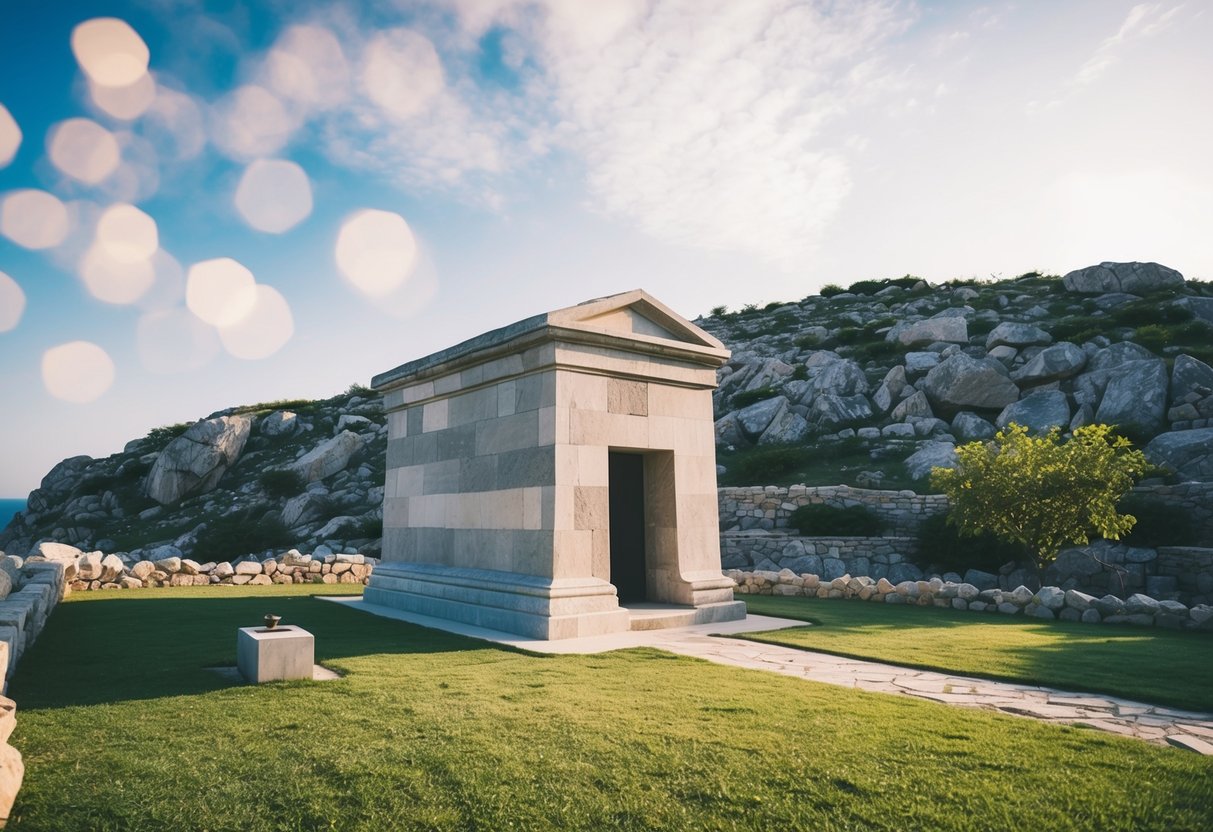
Located in Jerusalem, the Tomb of Jesus is a crucial site in Christianity, symbolizing the resurrection. The historical context surrounding this site is important, as it connects to the events of Jesus’ life and his impact on Christian beliefs.
Understanding the dimensions of this tomb sheds light on the rituals and customs of the time, providing deeper insights into early Christian practices.
Exploring the details of Jesus’ tomb not only adds layers to historical knowledge but also enhances the significance of the resurrection story that continues to resonate with millions worldwide.
Historical and Religious Context
The tomb of Jesus holds deep historical and religious importance. It connects to Jewish burial practices while also being a focal point for Christian belief in the resurrection. The narrative surrounding the burial involves key figures such as Joseph of Arimathea and Nicodemus.
Significance of Jesus’ Tomb
The tomb is located within the Church of the Holy Sepulchre in Jerusalem. This site is regarded as one of the holiest locations in Christianity.
According to tradition, this is where Jesus was buried after his crucifixion. The tomb’s significance is amplified by its association with the resurrection, central to Christian faith.
The fact that Jesus was buried in a tomb rather than a simple grave reflects the Jewish customs of the time. This practice involved placing the body in a rock-cut chamber, allowing for proper rites.
Thus, the tomb serves as a symbol of hope and rebirth for millions around the world.
Gospel Accounts of the Burial
The New Testament Gospels provide key details about Jesus’ burial. Each account contributes unique elements, yet they share essential similarities.
The Gospels of Matthew, Mark, Luke, and John describe how Jesus’ body was taken down from the cross. They state that Joseph of Arimathea, a wealthy member of the Jewish council, requested the body.
This was significant, as it showed Joseph’s willingness to honor Jesus despite societal pressures. Furthermore, the Gospels describe the use of spices and linen, typical in Jewish burial customs.
The consistency of these details across the Gospels strengthens their reliability. They form a narrative that underscores the importance of the event in Christianity.
Joseph of Arimathea and Nicodemus
Joseph of Arimathea played a crucial role in the burial of Jesus. He was a secret follower, showing bravery in requesting Jesus’ body from Pontius Pilate.
Alongside him was Nicodemus, also a member of the Jewish council. He assisted in preparing the body with spices, symbolizing respect and care.
Their actions reflect the Jewish burial practices of the era. Bodies were treated with great care, often anointed with oils and wrapped in linen.
The involvement of these two men highlights their commitment to Jesus, particularly at a time of fear and uncertainty. Their dedication helped ensure that Jesus received a proper burial, which is integral to Christian teachings about resurrection and the afterlife.
Archaeological Insights
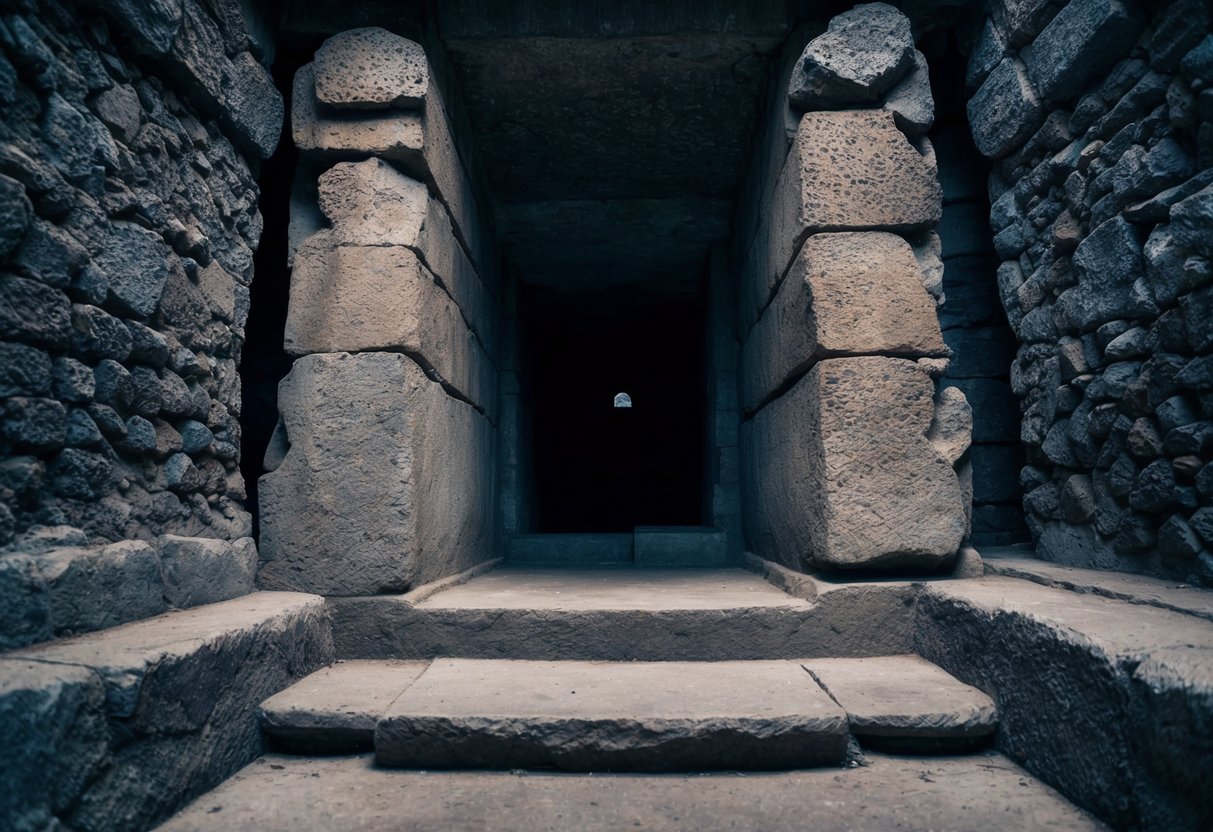
Several important discoveries have contributed to the understanding of Jesus’ tomb. Research and findings from rock-cut tombs, the prominent Church of the Holy Sepulchre, and the Talpiot Tomb provide distinct perspectives on the burial practices of the first century and how they relate to early Christian beliefs.
Rock-Cut Tomb Discovery
Rock-cut tombs were common during the Second Temple Period. These tombs were often hewn into solid rock, allowing for durable and secure burial spaces. Archaeological evidence shows that these tombs typically contained burial chambers and sometimes multiple ossuaries.
The entrance to Jesus’ tomb, according to archaeological research, was about 2.5 to 3 feet high and 2 to 2.5 feet wide. This aligns with the characteristics of other known first-century tombs.
These features shed light on early burial customs, including primary and secondary burial practices, which involved placing bones in ossuaries after decomposition. The design of these tombs reflects cultural and religious beliefs held at the time.
The Church of the Holy Sepulchre
The Church of the Holy Sepulchre is a significant religious site located in Jerusalem. It is believed to be built over the site of Jesus’ crucifixion and burial. Archaeological studies here have revealed evidence of earlier structures, which suggest a continuity of veneration spanning centuries.
Excavations have uncovered limestone caves and remnants of rock-cut tombs. The findings indicate that this area was recognized as a burial site by early Christians. Additionally, some believe that this site was indeed Golgotha, where Jesus was crucified.
The site is carefully studied to piece together the historical and religious significance it holds for many believers worldwide.
The Talpiot Tomb Findings
The Talpiot Tomb discovery in 1980 brought significant attention due to its contentious nature. Situated in a suburb of Jerusalem, this tomb contained several ossuaries, some inscribed with names like “Jesus” and “Mary.”
Archaeological dating suggests the tomb dates to the first century, close to Jesus’ lifetime. Some scholars argue that this tomb could belong to Jesus and his family, while others dispute this claim based on the lack of definitive evidence.
These findings spark debates regarding burial practices and family tombs associated with Jesus and his followers. The ongoing analysis continues to influence perspectives on early Christian history and the practices of the time.
Tomb Design and Structure
The design and structure of Jesus’ tomb reflect typical features of a first-century rock-cut tomb used in Jewish burials. Key aspects include the rolling stone used for sealing the entrance, the layout of the interior with loculi for burials, and the materials ensuring preservation.
Rolling Stone and Entrance
The entrance to Jesus’ tomb was relatively small, measuring about 2.5 to 3 feet high and 2 to 2.5 feet wide. This size facilitated a secure sealing method. A rolling stone, or disk-shaped stone, was typically used to block the entrance, making it difficult for anyone to enter or exit.
These stones were often circular and were rolled into place to seal the tomb after burial. The mechanism was designed for security, reflecting the customs of the time regarding burial practices.
Interior Layout and Loculi
Inside the tomb, the layout consists of niches called loculi, which were used for placing bodies. Jesus’ tomb was likely designed to accommodate more than one burial, as was common in Jewish tombs.
Each loculus provided a resting space for the deceased, often lined with limestone to improve preservation. The interior space was hewn from rock, creating a cool, dry environment ideal for burial.
Limestone and Preservation
The Tomb of Jesus was carved out of limestone, a common material for rock-cut tombs in the region. Limestone offers natural preservation qualities due to its temperature-regulating properties.
This material helped protect the remains from decay. Additionally, limestone was often used to create ossuaries, which stored the bones of the deceased, further aiding in the preservation of burial sites over time.
Biblical Descriptions and Archaeological Correlations
The exploration of Jesus’ tomb blends scriptural accounts with archaeological findings. Key biblical descriptions provide foundational insights, while archaeological evidence supports and clarifies the historical context of these claims.
Scriptural Passages
The Gospels provide several details about Jesus’ burial. Mark 15:46 states that Jesus was laid in a tomb hewn out of rock. This indicates the tomb’s solid construction typical of the first-century Jewish burial practices. The passage emphasizes that the tomb was located near Golgotha, the site of the crucifixion.
Other accounts mention that the tomb belonged to Joseph of Arimathea, a wealthy member of the council. This detail suggests the tomb was significant and likely larger than common burial sites, which were smaller and less elaborate.
Tomb Typologies in the Gospels
The Gospel accounts present variations in descriptions of Jesus’ tomb. While all agree it was a rock-hewn tomb, the specifics differ. Matthew refers to a rolling stone used to seal the entrance, highlighting an important aspect of first-century burial customs.
This type of sealing stone, known as a cork-shaped stone, was common in ancient Jewish tombs. Archaeological findings reveal similar stones in burial sites around Jerusalem, backing the biblical descriptions. These findings suggest the tomb was designed for both security and to allow for easy access by rolling aside the stone.
Mark 15:46 and 16:3 Analysis
Mark 15:46 specifically notes that the tomb was sealed after Jesus’ burial. The description provides insight into the protocols surrounding burial practices at that time. Notably, Mark 16:3 records the women discussing who would roll away the stone for access. This indicates the size of the stone and its importance in the burial process.
Archaeological studies of tombs from the same period confirm the occurrence of large, rolling stones. The discovery of similar tombs, consistent with Jesus’ tomb descriptions, reinforces the reliability of the Gospel narratives. This connection solidifies the understanding of burial customs and the context surrounding Jesus’ death.
Cultural and Pilgrimage Aspects
The tomb of Jesus holds great cultural significance within Christianity. Pilgrims visiting the site engage in practices that reflect deep spiritual beliefs about mortality and eternal life. Interactions at the tomb are shaped by various traditions and customs.
The Garden Tomb Site
The Garden Tomb, one of the sites claimed to be the burial location of Jesus, offers a serene environment for reflection. Located near Golgotha, it provides a peaceful contrast to the bustling Church of the Holy Sepulchre. This site is marked by a rock-cut tomb and a garden, making it a popular choice among pilgrims seeking a more intimate experience.
Visitors often feel a spiritual connection here, contemplating the events of the Crucifixion and the hope of resurrection. The simplicity of the location encourages quiet contemplation of life, death, and faith.
Veneration and Pilgrimage Practices
Pilgrimage to Jesus’ tomb is an important practice for many Christians. Pilgrims partake in rituals like prayers, singing hymns, and lighting candles. These actions express their reverence and devotion.
Many travelers reflect on their personal faith journeys while at the tomb. Additionally, church-led tours often include guided reflections to deepen the understanding of burial customs in ancient times.
Veneration practices underscore the belief in Jesus’ power over death and provide a setting for communal worship.
Reflections on Mortality and Eternal Life
Visiting the tomb allows individuals to confront themes of mortality and eternal life central to Christian beliefs.
The burial customs of the time, including the use of rock-hewn tombs, reflect a deep concern for proper burial practices.
As pilgrims reflect at the site, they often consider the significance of Jesus’ resurrection—the promise of eternal life.
This connection to the past shapes modern understandings of faith, leading to deeper appreciation of the religious tradition and the hope it brings to believers worldwide.
