
The identity of Christ has been a subject of profound contemplation for centuries, bridging the gap between historical analysis and deep spiritual conviction.
As believers examine the scriptures to understand his true role, the most significant question often asked is: is Jesus king in a literal or spiritual sense? The Bible presents him as a ruler whose authority transcends earthly borders.
He is frequently addressed with royal titles that highlight his absolute sovereignty over all creation. This designation is not merely a metaphor but a direct fulfillment of ancient prophecies found in sacred texts, establishing his lineage and divine right.
Ultimately, this title reflects a reign that operates on a different plane than human governments. It invites followers to recognize a supreme authority that governs not just nations, but the hearts and souls of humanity.

In considering Jesus as King, it is essential to explore the impact of His teachings and actions during His time on Earth.
His humble beginnings, rooted in service and love, contrast sharply with traditional views of kingship. This duality invites deeper reflection on what it truly means for Jesus to be the King of kings and Lord of lords.
Understanding Jesus’ kingship can transform personal beliefs and inspire followers. By embracing His role, individuals may find guidance and purpose that resonates through ages, bringing meaning to their lives today.
Biblical References of Jesus as King
The concept of Jesus as King is woven throughout both the Old and New Testaments. These scriptures outline His authority, identity, and the prophecies fulfilled through His life and work. Each reference showcases different aspects of His kingship and the establishment of His kingdom.
Old Testament Prophecies
The Old Testament contains significant prophecies about the coming Messiah.
One key prophecy is found in Isaiah 9:6-7, which describes the Messiah as a “wonderful counselor, mighty God, Everlasting Father, Prince of Peace.” This passage emphasizes His authority and eternal reign.
Another important reference is in Zechariah 9:9, which foretells the arrival of a king who is humble and riding on a donkey. This verse is significant as it points to Jesus’ humble entry into Jerusalem, fulfilling this prophecy during His triumphal entry.
These passages lay the foundation for understanding Jesus’ role as King, highlighting His divine authority and the peaceful nature of His kingdom.
New Testament Revelations
In the New Testament, Jesus’ kingship is further revealed.
In John 18:36, Jesus states, “My kingdom is not of this world.” This indicates that His authority transcends earthly realms, focusing instead on a spiritual kingdom.
The Book of Revelation also powerfully depicts Jesus as King. Revelation 17:14 states, “He is Lord of lords and King of kings.” This title affirms His supreme authority over all rulers and powers.
Additionally, Revelation 19:16 describes Jesus as having the name “King of kings and Lord of lords” written on His robe. These revelations confirm His position as sovereign over all creation.
Titles of Jesus in the Bible
The Bible uses various titles to emphasize Jesus’ kingship.
He is referred to as the “Son of God” and the “Son of Man,” indicating both His divine nature and His humanity.
Titles such as “Messiah” and “Christ” highlight His role as the anointed one appointed to lead His people. The term “Lamb” reflects His sacrificial role, essential for establishing His kingdom.
Each title conveys a unique aspect of His kingship, reinforcing the belief in His ultimate authority and mission as the redeemer of humanity.
Historical and Cultural Context
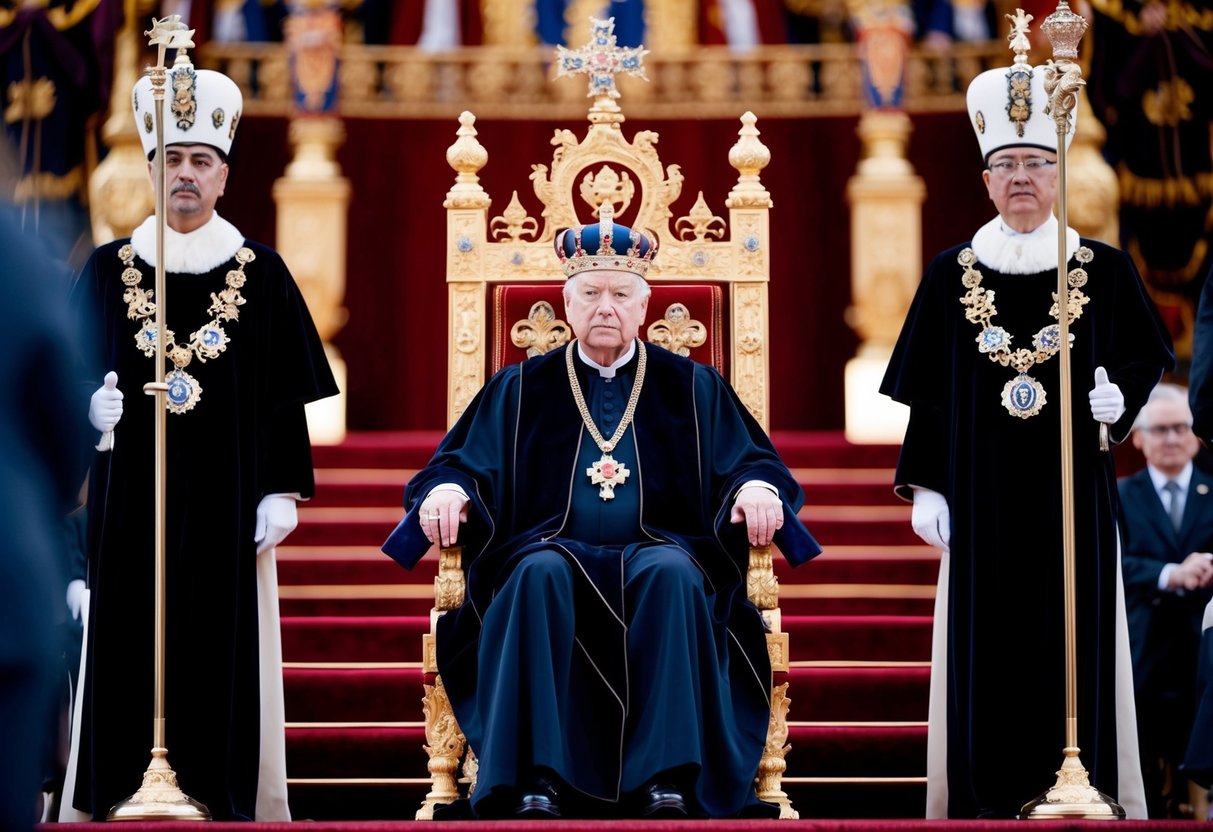
Understanding the historical and cultural context of Jesus Christ sheds light on his identity as a king. It reveals the dynamics between Jewish expectations, interactions with Roman authority, and the political situation in Israel during his time.
Jesus Christ and Israel
Jesus was born into a complex socio-political landscape in Israel.
He was often referred to as the “King of the Jews,” a title that held significant weight. This title was contentious, especially in a region under Roman occupation.
The Jewish people, longing for peace and stability, were waiting for a Messiah who would restore their nation. Prophecies from figures like Isaiah and Daniel influenced these expectations. Jesus’ teachings emphasized a different kind of kingship—one based on spiritual authority rather than political power. He often challenged established norms, which garnered both followers and opposition from religious leaders such as the Pharisees.
Interaction with Roman Authority
The relationship between Jesus and Roman authority was complex.
Pontius Pilate, the Roman governor, played a key role in Jesus’ crucifixion. Although Pilate found no fault in him, he ultimately bowed to the pressure of the crowd and Jewish leaders who viewed Jesus as a threat.
Jesus’ claim to kingship was seen as subversive in a Roman context, where loyalty to Caesar was paramount. This interaction highlighted the tension between Roman rule and Jewish aspirations for self-governance. His message of peace often stood in stark contrast to the violent methods of rebellion that others advocated.
Jewish Expectations of a Messiah
The Jewish community held specific expectations about the Messiah.
They anticipated an heir from the line of King David who would restore Israel’s glory. Many believed that this figure would defeat occupying forces and bring peace to the nations.
Texts from the Hebrew Scriptures, including prophecies from Samuel and Isaiah, shaped these beliefs. Jesus’ arrival stirred excitement and confusion. While some viewed him as the long-awaited Messiah, others, including the religious elite, rejected him. They could not reconcile his humble approach with their expectations of royal power. This divide played a significant role in the events that followed his ministry.
The Gospel of the Kingdom

The Gospel of the Kingdom presents the central message of Jesus regarding his role as the King and the nature of the Kingdom of God. This message encompasses the themes of salvation, authority, and the work of the Holy Spirit, highlighting the joy and truth that come from following him.
The Message of Jesus
Jesus began His ministry by proclaiming the coming of the Kingdom of God.
He announced, “The time is fulfilled, and the kingdom of God is at hand; repent and believe in the gospel” (Mark 1:15). His teachings emphasized that salvation and a new way of living were now available.
The Kingdom of God is described as a realm where Jesus reigns with authority. It invites disciples to embrace a transformative relationship with Him.
His message included the call to recognize God’s truth and joy through faith and repentance.
Jesus often spoke of His kingdom in parables, illustrating its value and accessibility. The themes of love, grace, and the work of the Holy Spirit were central. Those who accepted this message recognized Jesus not just as a teacher but as Lord and King.
Responses to His Claim
The responses to Jesus’ claim about the Kingdom varied widely.
Some individuals embraced His message, experiencing a profound change in their lives. They became His disciples, sharing the joy and truth of the Gospel with others.
However, others were skeptical or opposed. Religious leaders questioned His authority, viewing Him as a threat to their position. They dismissed His teachings and the idea of a new kingdom, preferring their established norms.
Throughout this conflict, Jesus remained focused on His mission. He continued to offer a path to salvation and truth, inviting all to recognize His rightful place on the throne. When people encountered His teachings, they faced a choice: to accept His reign or ignore it.
Theological Interpretations of Jesus’ Kingship
Jesus’ kingship is interpreted through various theological lenses, each providing insight into his role within Christian theology. Key aspects include the Christological understanding of who Jesus is and the eschatological views that highlight the future significance of his kingship.
Christological Perspectives
Christological interpretations emphasize Jesus as both fully divine and fully human. In this view, he embodies the prophecies of the Old Testament, particularly those concerning the righteous branch, who would come to reign in justice and truth.
Jesus’ identity as the Word of God underscores his authority in the kingdom of heaven. His teachings reveal the nature of God’s glory and the structure of his kingdom. These perspectives align with the belief that through Christ, believers receive access to a new covenant, which fulfills the promises made in the Old Testament.
Eschatological Views
Eschatological interpretations look ahead to Jesus’ eventual reign and the fulfillment of God’s kingdom. Fans of this view often reference passages from the Book of Revelation, describing Jesus as the King of Kings and Lord of Lords.
This understanding points to a future hope where Jesus will establish his kingdom fully. Believers look forward to a time when his kingship will manifest completely, bringing justice and peace. Such views inspire the faithful to live in alignment with the values of the kingdom of heaven now, reflecting the covenant relationship established through Christ.
Contemporary Significance
The understanding of Jesus as King holds great significance today, influencing modern worship practices and the daily lives of believers. His kingship inspires praise and informs how individuals navigate their spiritual journeys.
Influence on Modern Worship
In contemporary worship, Jesus is often celebrated as King with songs that highlight His glory and power.
Many worship services include hymns and contemporary music centered around His role as the ultimate ruler. Songs like “King of Kings” or “Majesty” emphasize His authority and invite congregations to glorify Him.
Bible verses such as Revelation 19:16, which calls Jesus “King of kings and Lord of lords,” serve as foundational texts for this theme. Worship leaders remind attendees that Jesus reigns not only in heaven but also in their hearts. This belief brings hope, as it reinforces the idea of His sovereignty and the promise of forgiveness of sins.
Jesus as King in Daily Life
Recognizing Jesus as King influences how people approach their daily lives.
Believers may seek His guidance in their decisions, treating His teachings as essential rules to follow.
This perspective can instill a sense of purpose and direction.
Individuals often draw inspiration from biblical teachings, finding courage in the face of fear.
The concept of Jesus as an eternal ruler brings comfort during challenging times.
He is viewed as a protector and source of strength, encouraging many to share His message.
Through prayer and reflection, believers aspire to align their actions with His example, seeking to live out the values He embodies.
