
In Christian theology, the ancient symbol of the Tree of Life represents hope, healing, and immortality. When studying scripture from Genesis to Revelation, many believers and scholars find themselves asking: is Jesus the tree of life mentioned in these sacred texts?
The answer is profound, as he embodies the very essence of spiritual nourishment, offering the promise of everlasting existence to all who trust in Him.
This deep connection is rooted in biblical passages that link his sacrificial death on the cross to the life-giving nature of the tree found in the Garden of Eden.
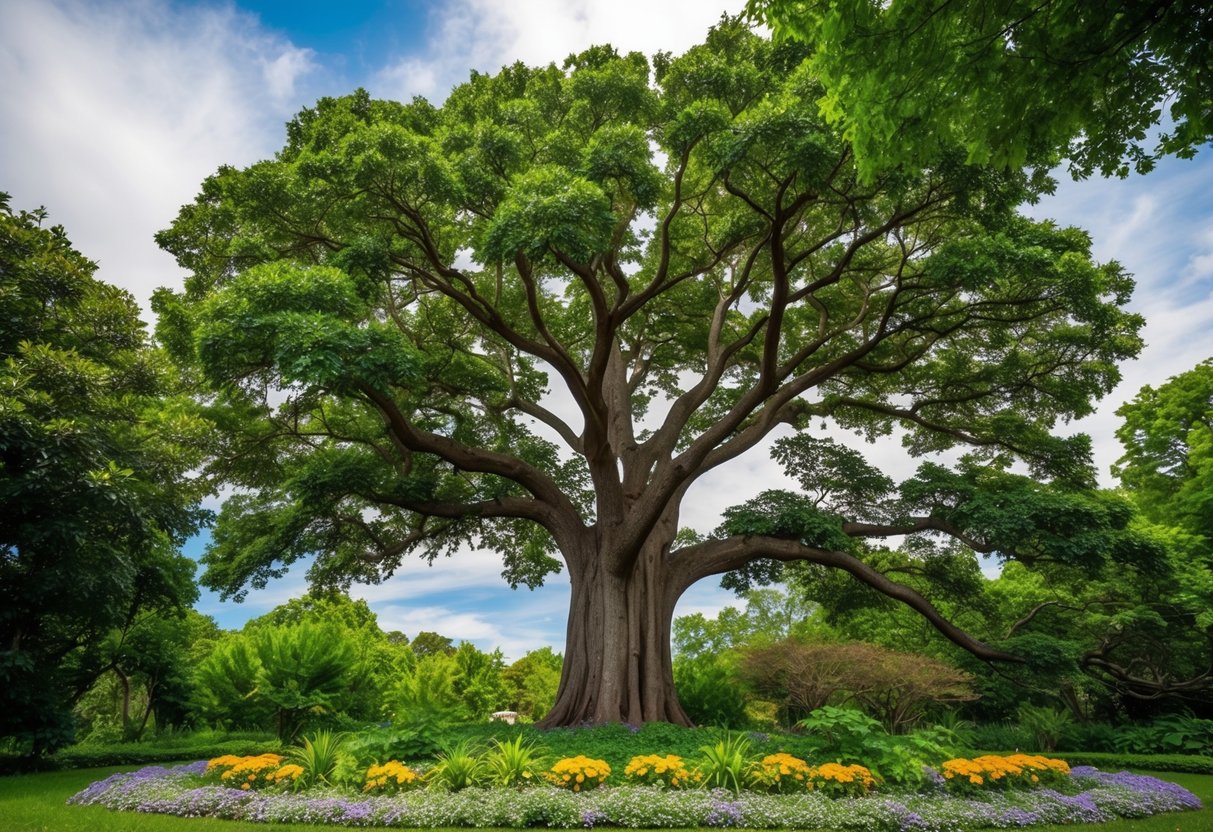
The Tree of Life first appears in the Garden of Eden and is mentioned again in the book of Revelation. Throughout scripture, it represents God’s gift of life and grace.
Christians see Jesus as the fulfillment of this promise, making Him an integral figure in understanding what the Tree of Life represents in faith and salvation.
Biblical Foundations
The concept of the Tree of Life is deeply rooted in Scripture, linking creation, redemption, and eternal life. This section explores key biblical texts that illustrate how the Tree of Life connects to God’s plan for humanity.
Genesis and the Tree of Life
In Genesis 2, the Tree of Life is introduced in the Garden of Eden. This tree symbolizes continuous life and divine nourishment.
Adam and Eve had access to this tree before their disobedience led to their expulsion from the garden.
The tree represents God’s provision and the ideal relationship between humanity and divinity. Proverbs also reflects this theme, associating wisdom with life. It teaches that seeking wisdom is like finding the Tree of Life, offering spiritual fulfillment and insight.
Christ, the True Vine in John 15
In the New Testament, Jesus describes Himself as the vine in John 15. He emphasizes the connection between Himself and His followers, indicating that they must remain in Him to bear fruit.
This relationship mirrors the sustenance offered by the Tree of Life.
Jesus provides spiritual life, just as the tree once did. He bridges the gap between humanity and God, restoring access to eternal life. The imagery of vines and branches portrays the closeness of this connection, reinforcing the importance of staying rooted in faith.
Revelation and the Healing of Nations
The Tree of Life reappears in the book of Revelation, specifically in Revelation 22:2. It symbolizes restored access to eternal life in the new heaven and new earth.
This tree bears fruit for healing, reflecting God’s ultimate plan to restore creation.
In this vision, the Tree of Life serves as a reminder of hope and renewal. It signifies the culmination of God’s redemptive work through Christ. The theme of healing connects back to the original purpose of the tree in Genesis, uniting the beginning and end of Scripture.
Theological Significance
The Tree of Life holds deep theological meaning within Christian faith. It symbolizes eternal life and represents the connection between God and humanity through Jesus Christ. This connection emphasizes the promise of resurrection and salvation.
Tree of Life as a Symbol of Eternal Life
In Christianity, the Tree of Life represents immortality and the promise of everlasting life. It is often linked to Jesus, who offers eternal life to believers.
This tree contrasts with the Tree of Knowledge of Good and Evil, which led to humanity’s fall.
Scripture describes the Tree of Life as a source of sustenance and healing (Revelation 22:2). It serves as a reminder of the spiritual life available through faith in Jesus.
The act of partaking in this tree symbolizes acceptance of Christ‘s sacrifice, leading to spiritual rebirth and salvation.
The Intersection of the Divine and Human
The Tree of Life symbolizes the intersection of divine grace and human need. Jesus is seen as this tree, providing a pathway back to God.
Through His death and resurrection, He restores the lost relationship between humanity and the Creator.
In Christian belief, this has significant implications for spiritual life. It reinforces the idea that through Jesus, believers gain access to eternal life.
The Tree of Life also reflects God’s desire for humanity to thrive and experience fullness in Him. This connection emphasizes the role of Jesus in salvation, highlighting His importance in Christian theology.
Christ’s Sacrifice and Redemption

Christ’s sacrifice on the cross serves as a pivotal moment for humanity’s redemption. Through his death and resurrection, belief in him allows access to eternal life and the Tree of Life. This section explores the significance of the cross and the means of accessing salvation.
The Cross as a Tree of Life
The cross represents more than just an instrument of death; it symbolizes the Tree of Life. According to Christian belief, when Christ was crucified, he took upon himself the sins of the world.
His death provided a path to redemption, allowing believers to have their sins forgiven.
Symbol of Sacrifice: The cross is a powerful reminder of Christ’s willingness to suffer for the sake of humanity. Through his sacrifice, he opened a way for salvation.
Connection to Eternal Life: Jesus’s resurrection confirms that death does not have the final word. His victory over death is seen as the restoration of access to the Tree of Life, representing eternal life.
Access to the Tree of Life through Christ
Through faith and repentance, individuals can find access to the Tree of Life. This access is central to the belief in salvation and eternal life with God.
Faith: Embracing faith in Christ’s sacrifice allows believers to experience new life. It is the foundation of their hope for eternal life.
Repentance: Genuine repentance acknowledges one’s sins and turns towards Christ. This step is crucial for receiving the grace offered through his sacrifice.
The Tree of Life, often referred to in Revelation as a symbol of eternal existence, becomes attainable through Christ. Believers look forward to a future in Paradise, where they can experience the fullness of life promised by Christ.
Living Out the Symbolism
The symbolism of Jesus as the Tree of Life highlights themes of nourishment and restoration. It emphasizes the believer’s relationship with Christ and the importance of living according to His teachings.
Spiritual Nourishment and Growth
Jesus provides spiritual nourishment that is essential for growth in a Christian’s life. Just as trees provide fruit and shelter, He offers hope, healing, and guidance.
Reading scripture, participating in prayer, and being part of a community are ways to connect with Him. These practices help believers draw strength from their faith.
Obedience to Christ’s teachings is crucial. It cultivates a fruitful life, characterized by righteousness and love.
Such obedience leads to experiences that nurture gratitude and joy within the believer.
Key Nourishing Practices:
- Prayer: A direct line to God for support and direction.
- Scripture Study: Deepens understanding and reinforces faith.
- Community: Church involvement fosters connection and accountability.
The Christian’s Relationship with Jesus
The relationship with Jesus is likened to a branch connected to the Tree of Life. This connection is vital for spiritual health and sustenance.
In this relationship, believers commit to following His example. They strive to live out His teachings in daily life, making choices that reflect His love and truth.
Moreover, this connection brings about restoration. Believers find healing in past wounds and grow in their faith through challenges.
The promise of bearing the Fruit of the Righteous is a direct outcome of this relationship. As Christians bear this fruit, they reveal Christ’s light to others, fostering a community grounded in hope and faith.
Eschatological Perspective
In Christian eschatology, the concept of the Tree of Life is significant. It symbolizes restoration and hope for believers.
Jesus is often seen as the embodiment of this Tree, representing eternal life and healing.
The idea of the Tree of Life connects to biblical themes of resurrection and new creation. In Revelation 22:2, the leaves of this tree are for the healing of the nations, showing the comprehensive restoration God promises.
Though humanity fell into exile due to sin, Jesus’ death and resurrection opened the way back to God. He is referred to as the Resurrection and the Life in John 11:25, emphasizing His role in bringing people back to spiritual wholeness.
The eschatological essence of Jesus as the Tree of Life highlights hope for a future where believers will dwell with God forever. In this vision, they will experience joy, peace, and healing, free from the struggles of this world.
The image of the Tree of Life reassures believers of their place in God’s kingdom. It represents both the present assurance of spiritual life through Christ and the future promise of eternal life in the New Heaven and New Earth.
