
For believers and history enthusiasts alike, a journey to the Holy Land is more than just a vacation; it is a pilgrimage into the ancient past.
Exploring the specific places where Jesus walked offers a unique window into history and spirituality, bringing the narratives of the Gospels to life in a tangible way.
Most of these sacred sites are located within modern-day Israel and are overflowing with rich cultural significance. From the bustling streets of Jerusalem to the quiet hills of Nazareth, each location tells a story that has shaped civilization for two millennia.
Visitors can deeply connect with their faith by standing on the shores of the Sea of Galilee or walking the Via Dolorosa.
These are the very spots where he performed miracles and preached to the multitudes, making the Bible feel less like a book and more like a physical reality.
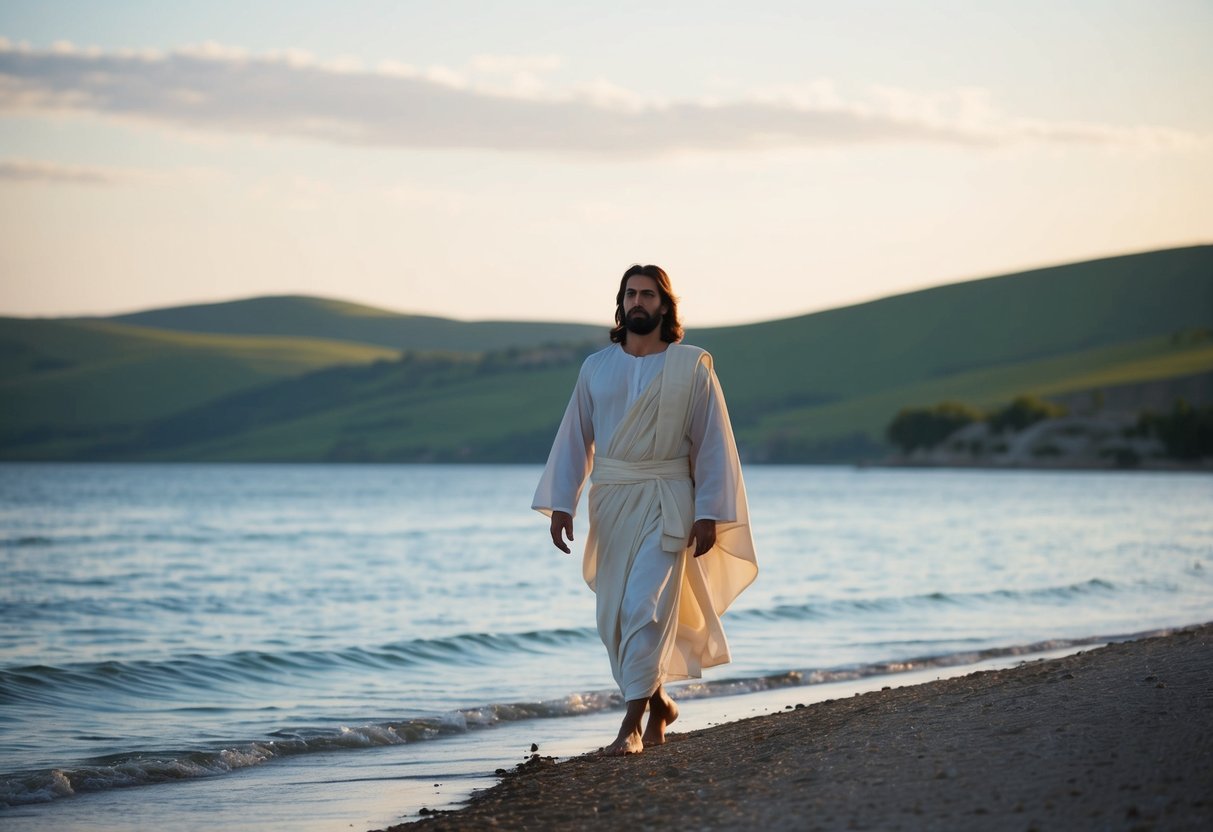
Each of these locations tells a part of Jesus’s story, from his humble beginnings in Nazareth to his impactful ministry around the sea of Galilee.
Along the way, they can learn about significant events, such as his baptism in the Jordan River and his teachings in various towns.
This journey through the Holy Land not only enhances understanding of biblical narratives but also inspires deeper reflection on faith and belief.
Whether someone is planning a pilgrimage or simply looking to understand the historical context of Jesus’s life, knowing these key places is invaluable.
This journey helps to make ancient scriptures come alive in the modern world, providing a rich experience for all who visit.
Geographical Overview of Jesus’s Journey
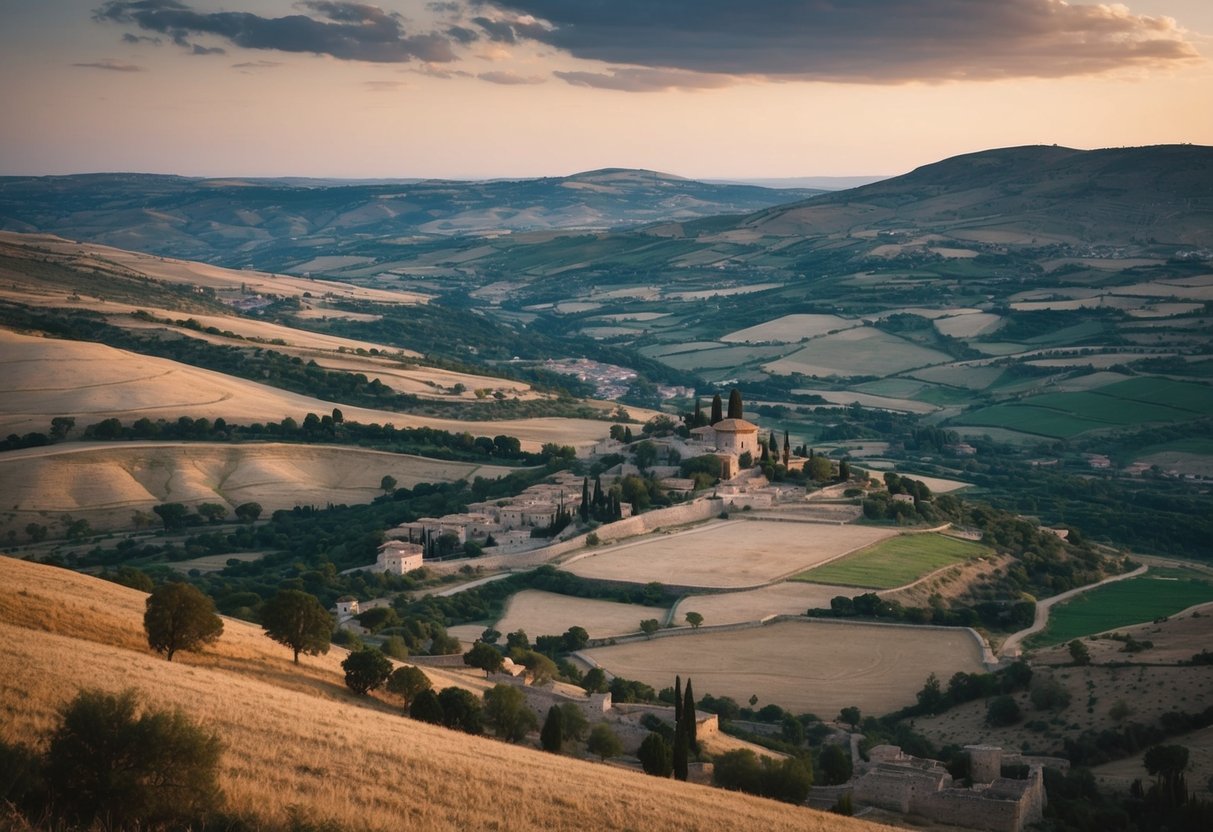
Jesus’s journey across various regions of Israel showcases significant locations tied to his ministry. This includes his time in Galilee where much of his teaching and miracles took place, followed by his journey to Jerusalem, a pivotal point in his life and mission.
Galilean Ministry
The Galilean Ministry represents a crucial phase of Jesus’s work. His activities centered around the Sea of Galilee, a large freshwater lake.
Here, he called his first disciples, many of whom were fishermen. Notable locations include Capernaum, where he performed various miracles, such as healing the sick and casting out demons.
Nazareth, Jesus’s hometown, played an integral role in his early life. Although less emphasized in his ministry, it marks his origins.
In Galilee, Jesus delivered the Sermon on the Mount near the Mount of Beatitudes, teaching principles of morality and ethics that form the foundation of Christian belief.
Journey to Jerusalem
The journey to Jerusalem was significant in the New Testament. Jesus traveled south from Galilee, often passing through Samaria. His path was marked by teachings and parables aimed at both disciples and crowds.
Upon reaching Jerusalem, Jesus faced increasing opposition. Key events include his triumphal entry, which is celebrated on Palm Sunday, and the Last Supper, held in an upper room in the city.
Jerusalem symbolizes the culmination of his mission, leading to his crucifixion and resurrection. The journey highlights the contrasting dynamics of acceptance and rejection he encountered along the way.
Key Locations in Jesus’s Teachings
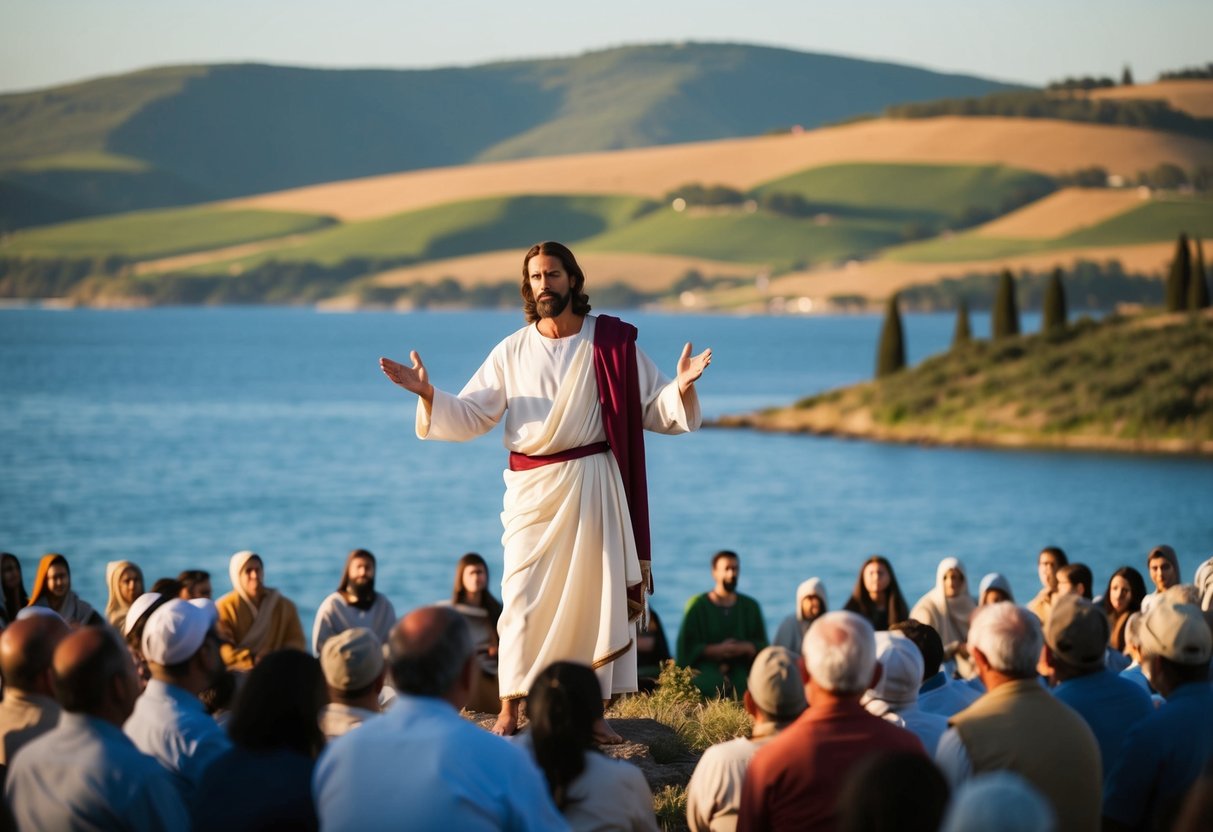
Jesus’s teachings have been delivered in various scenic locations that hold special significance. These sites, where he shared parables and sermons, enhance the understanding of his messages.
Two notable locations include the shores of the Sea of Galilee and the hills of the Mount of Olives.
Sermons by the Sea
One of Jesus’s most famous teachings was the Sermon on the Mount, delivered on a hillside overlooking the Sea of Galilee. This location provided a natural amphitheater for the gathering crowd.
Here, he shared key teachings such as the Beatitudes, emphasizing love, humility, and mercy.
The Sermon on the Mount included guidance on moral living. Jesus taught about forgiveness, encouraging his followers to turn the other cheek.
His messages resonated deeply, influencing many who listened.
Capernaum, a nearby fishing village, served as a base for many of these teachings, where people witnessed his miracles and learned from his wisdom.
Parables in the Plains
On the Mount of Olives, Jesus often shared parables. This elevated location provided a view of Jerusalem, making it a symbolic backdrop for his messages.
The parables conveyed spiritual truths through everyday scenarios, such as the Good Samaritan and the lost sheep.
These stories illustrated his teachings about God’s love and compassion. Jesus emphasized that everyone is worthy of grace, challenging societal norms of his time.
The simplicity of his parables made them memorable and relatable, allowing a wide audience to connect with his teachings effectively.
Final Days and Crucifixion
The final days of Jesus were filled with significant events that led to his crucifixion. Key locations played a crucial role, including the Last Supper at an upper room in Jerusalem, the Garden of Gethsemane on the Mount of Olives, and the site of the crucifixion.
Last Supper to Gethsemane
On the night before his crucifixion, Jesus celebrated the Last Supper with his disciples in Jerusalem. This meal included symbolic actions, such as sharing bread and wine, representing his body and blood. It served as a farewell and a preparation for what was to come.
After the supper, Jesus went to the Garden of Gethsemane, located on the Mount of Olives. Here, he prayed deeply, feeling the weight of his impending suffering.
Despite his anguish, he urged his disciples to remain vigilant and support him during this critical time. The tranquility of the garden starkly contrasted with the turmoil that would soon unfold.
Trial and Crucifixion
Following his arrest, Jesus faced a series of trials. The Jewish authorities first questioned him, then sent him to Pontius Pilate, the Roman governor.
Pilate found no guilt in Jesus but ultimately gave in to public pressure, leading to his sentencing.
Jesus was crucified at Golgotha, a site outside Jerusalem. As he endured this painful punishment, he expressed deep compassion for others, even asking for forgiveness for those who wronged him.
After several hours, he died, marking the end of his earthly journey, yet the beginning of a significant chapter in Christian belief.
Resurrection and Appearances
The resurrection of Jesus and his appearances afterward are significant events in Christian belief. They took place in locations like Jerusalem and the nearby area of Bethany, which hold great importance in the stories of the resurrection.
Empty Tomb
The empty tomb is a central element of the resurrection story. After Jesus was crucified, he was buried in a tomb in Jerusalem.
On the third day, women, including Mary Magdalene, visited the tomb and found it empty. The stone that sealed the entrance had been rolled away.
Two angels appeared to the women, asking why they sought the living among the dead. This moment marked the confirmation of Jesus’ resurrection.
His appearance to Mary Magdalene in the garden later that day underscored his victory over death. This event is documented in the Gospels, including Mark 16:9 and John 20:11-18.
Road to Emmaus
The journey on the road to Emmaus is another crucial post-resurrection event.
Two disciples were traveling to Emmaus, about seven miles from Jerusalem, discussing the events of Jesus’ death. As they walked, Jesus joined them, but they did not recognize him.
Throughout the walk, he explained how the scriptures foretold his suffering and resurrection.
It wasn’t until they broke bread together that they realized who he was. This moment highlighted the importance of recognition and understanding.
The story is recorded in Luke 24:13-35, showcasing how Jesus continued to teach even after his resurrection.
Historical and Cultural Context
Understanding the historical and cultural background of the time when Jesus lived provides insight into his actions and teachings. The influence of Jewish practices and Roman culture played significant roles in shaping the environment he interacted with daily.
Jewish Practices
Jewish religious life in the time of Jesus was steeped in tradition, centered on the Temple in Jerusalem. Worship involved sacrifices and rituals that were essential to maintain a connection with God.
Many Jews followed the Law of Moses, which dictated daily practices and moral conduct.
In towns like Nazareth, local customs included observing the Sabbath, celebrating Jewish festivals, and adherence to dietary restrictions. Synagogues served as community centers for teaching and worship.
Jesus often taught in these synagogues, connecting with people through familiar practices.
The emphasis on prayer and scripture shaped the lives of ordinary Jews. They sought to understand their identity in relation to God, which influenced Jesus’s teachings on love, compassion, and morality.
Roman Influence
The Roman Empire ruled Judea during Jesus’s lifetime, bringing both structure and tension.
Roman law, governance, and economic systems affected daily life.
The presence of Roman soldiers and officials created a complex relationship between the Jews and their rulers.
In Jerusalem, the political climate was charged. The Romans imposed taxes and drew resentment from the Jewish population.
Jesus’s message often challenged the authority of both religious and political leaders, highlighting the struggles faced by the people.
Roman culture also introduced new ideas and practices.
Although often resisted, some locals adopted elements of Roman customs in their daily lives.
This blend of Jewish and Roman influences created a diverse cultural backdrop against which Jesus lived and preached.
