
Andrew Lloyd Webber and Tim Rice created a groundbreaking rock opera that redefined musical theater, yet new audiences often wonder exactly what is Jesus Christ superstar about beyond its catchy title.
At its core, it retells the story of the final seven days of Jesus, focusing heavily on the personal conflicts between him, his disciples, and particularly Judas Iscariot.
This unique production features no spoken dialogue, functioning entirely as a sung-through musical.
By doing so, it allows the powerful rock score and lyrics to convey the raw emotions and psychological struggles of the characters leading up to the crucifixion.

The show began as a double album and gained popularity for its modern interpretation of biblical events. It explores themes of betrayal, loyalty, and the complexities of faith. With memorable songs and a unique rock style, Jesus Christ Superstar has become a staple in musical theater since its debut.
Fans appreciate how it draws on the Gospels while offering a fresh perspective on well-known figures. The engaging portrayal of Jesus and Judas makes it a captivating experience for audiences.
Creation and Concept

The creation of “Jesus Christ Superstar” began with a unique vision that combined rock music with a reinterpretation of biblical events. It reflects the collaboration between Andrew Lloyd Webber and Tim Rice, showcasing their innovative approach to musical theater.
Origins and Concept Album
“Jesus Christ Superstar” began as a concept album released in 1970. Tim Rice wrote the lyrics while Andrew Lloyd Webber composed the music. They aimed to tell the story of Jesus’ last week through a modern lens.
The album featured rock music styles, blending elements of folk and funk. This combination attracted attention and provided a fresh perspective on the traditional narrative.
The project quickly gained popularity, leading to stage adaptations. Its rock-related themes helped it resonate with younger audiences, making it a significant cultural moment in theater history.
Musical Styles and Influences
The musical style of “Jesus Christ Superstar” is significant for its integration of rock elements with traditional musical theater. Andrew Lloyd Webber drew inspiration from various genres, especially rock and musical influences of the early 1970s.
This work features powerful melodies and strong rhythms, making it accessible to a broad audience. The incorporation of funk and folk elements adds depth and variety to the score.
The song structures often reflect the emotional journeys of the characters, particularly Judas and Jesus. This approach allows for a deeper exploration of their struggles, enhancing the overall impact of the performance.
Plot and Characters
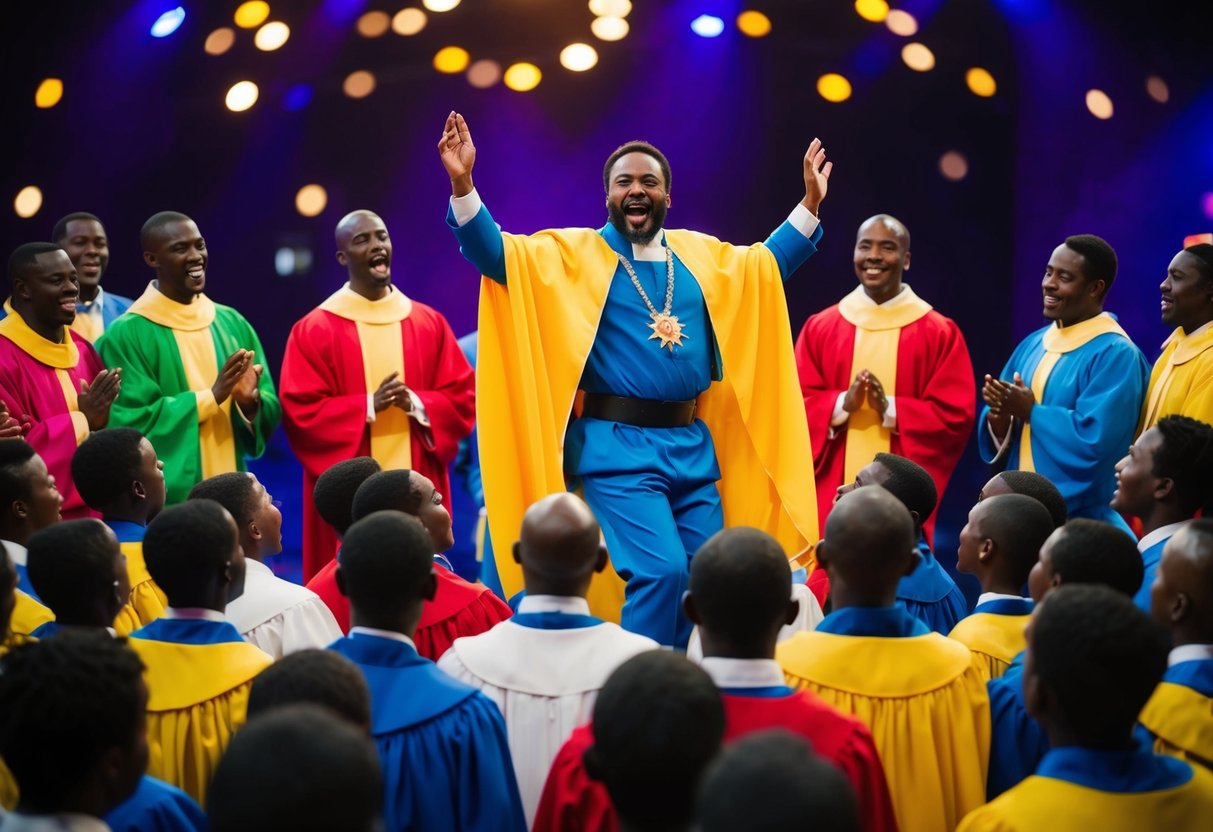
“Jesus Christ Superstar” is a rock opera that portrays the last days of Jesus Christ through a modern lens. It centers on the emotional struggles of key characters such as Judas Iscariot and Mary Magdalene, alongside the conflicts leading to Jesus’s crucifixion. The narrative explores themes of doubt, loyalty, and ambition.
Overview of the Narrative
The plot follows the final week of Jesus’s life, highlighting his interactions with his disciples and his rising fame. Judas Iscariot, concerned about Jesus’s popularity, fears it may lead to danger. He voices his doubts in songs that reveal his internal conflict. As tensions rise, figures like Caiaphas and Pontius Pilate become significant, representing the political and religious pressures surrounding Jesus.
Key Characters
- Jesus Christ: Central to the story, he is depicted with a mix of divinity and humanity, facing doubt and betrayal from those closest to him.
- Judas Iscariot: Often seen as the antagonist, he struggles with his loyalty and the consequences of Jesus’s actions. His character is portrayed more sympathetically than in traditional narratives.
- Mary Magdalene: She provides emotional support to Jesus. Her relationship with him is one of love and concern, showing a different side of his life.
- Pontius Pilate: The Roman governor, he represents authority and the political turmoil of the era. His indecision highlights the complex dynamics of power.
- Caiaphas: The high priest, he embodies religious authority and plots against Jesus to maintain control.
Dramatic Highlights
The rock opera features powerful musical numbers that drive the emotional weight of the narrative. Key moments include Judas’s lament in “Heaven on Their Minds,” expressing his fears and frustrations.
Mary’s poignant songs reveal her devotion and pain. The confrontation with King Herod serves as a dramatic turning point, showcasing the absurdity of the situation.
As tension peaks, Pilate’s struggle to decide Jesus’s fate culminates in a haunting climax that questions loyalty and sacrifice. Each character’s journey adds depth to the opera, bringing the story of Jesus’s last days to life.
Cultural and Theatrical Impact
“Jesus Christ Superstar” has significantly influenced both theater and popular culture. Its bold storytelling and unique music challenged norms, attracting a wide audience and sparking debate. The work’s adaptations across various platforms demonstrate its ongoing relevance.
Stage and Screen Adaptations
“Jesus Christ Superstar” premiered on Broadway in 1971, becoming an instant hit. The original cast featured Ted Neeley as Jesus and Carl Anderson as Judas, delivering powerful performances that are remembered today.
In 1973, Norman Jewison directed a film adaptation that expanded the musical’s reach. The film featured Yvonne Elliman as Mary Magdalene and included notable performances by Barry Dennen.
This version introduced the story to a broader audience and allowed for a visual representation of the themes.
The musical has seen numerous productions in both Broadway and the West End, reinforcing its popularity and cultural significance over the years.
Significance in Musical Theatre
The work redefined musical theater by fusing rock music with traditional storytelling. It was one of the first musicals to tell biblical stories through contemporary sounds, appealing to younger audiences.
“Jesus Christ Superstar” has received critical acclaim, winning several prestigious awards, including the Olivier Award and multiple Tony Awards. Its innovative approach paved the way for future rock operas and musicals that explore complex narratives and characters.
Many contemporary productions continue to draw on its themes of love, betrayal, and redemption, proving its lasting impact on the genre.
Controversies and Religious Perspectives
The musical has faced criticism from various religious groups since its inception. Some have viewed it as blasphemous for its portrayal of Jesus and Judas, leading to heated debates about artistic freedom versus religious sentiment.
Despite the controversies, many have praised its exploration of human doubt and struggle. The balance of perspectives on faith and rebellion resonates with audiences, encouraging discussion about the themes it presents.
These varied responses highlight the complex relationship between art, religion, and cultural interpretation, demonstrating that “Jesus Christ Superstar” continues to challenge social and artistic boundaries.
Songs and Musical Motifs
The songs in “Jesus Christ Superstar” play a vital role in expressing the emotions and themes of the story. Each number highlights key moments and characters, showcasing rich musical diversity. The combination of rock music with compelling lyrics creates an unforgettable experience.
Iconic Numbers
“Jesus Christ Superstar” features several standout numbers. “I Don’t Know How to Love Him” expresses Mary Magdalene’s complex feelings for Jesus. In contrast, “Superstar” is a climactic reflection on Jesus’s impact, delivered from Judas’s perspective.
“Gethsemane” captures Jesus’s anguish as he contemplates his fate. “King Herod’s Song” offers a sarcastic and lively take on Herod’s character. Other notable songs include “Heaven on Their Minds,” where Judas wrestles with his betrayal, and “Everything’s Alright,” showcasing the disciples’ struggle to support Jesus.
Lyrics and Composition
The lyrics in “Jesus Christ Superstar” are significant for their emotional depth and modern style. The use of rock music gives the story a contemporary feel. For example, “Hosanna” features a triumphant sound, while “This Jesus Must Die” presents a darker tone reflecting political tension.
Each song conveys distinct themes and character emotions. “Pilate’s Dream” highlights Pontius Pilate’s inner conflict. “The Temple” offers a dynamic representation of the chaotic atmosphere surrounding Jesus.
With clever composition, the musical successfully intertwines the narrative and emotions, making the experience powerful and relatable for the audience.
Legacy and Revivals
“Jesus Christ Superstar” has had a lasting impact on both theater and popular culture. This musical not only sparked discussions about its depiction of biblical events but also paved the way for various interpretations and productions.
Its influence continues through modern revivals that attract new audiences while celebrating its original themes.
Influence on Popular Culture
“Jesus Christ Superstar” became a global phenomenon shortly after its release. It has left a mark on various media, inspiring films, books, and even television specials. Songs from the musical have been covered by many artists, showcasing its versatility.
Notably, in 2018, John Legend starred in a live television adaptation that brought the story to a new generation. This adaptation received significant attention and introduced the musical’s themes to a wider audience.
The show’s rock style helped shape the modern musical, influencing countless productions.
The musical has received recognition, including nominations for several awards. It earned a Grammy nomination for Best Musical, solidifying its impact in music history. Additionally, its innovative approach won it the Olivier Awards in the UK, further enhancing its reputation.
Modern Revivals and Interpretations
“Jesus Christ Superstar” has seen multiple revivals, especially in North America. These revived productions often feature contemporary interpretations and updates that resonate with today’s audiences.
The 2012 Broadway revival showcased a fresh take on the classic, winning the Best Musical Revival award.
In recent years, notable performers like Sara Bareilles have taken on roles in these revivals, adding their unique styles. Arena tours have also brought the musical to larger audiences, showing its adaptability beyond traditional theater settings.
These modern interpretations often focus on the emotional and human aspects of the story, making it relatable.
Each revival emphasizes the rock opera’s dynamic score and powerful lyrics, ensuring that “Jesus Christ Superstar” continues to inspire and entertain.
