
Many people wonder about the location of Jesus Christ’s tomb, a question that holds great significance in Christianity.
When believers ask where Is Jesus’ tomb, the answer leads to Jerusalem and one of the holiest sites in the Christian world.
The traditional site of Jesus’ tomb is located within the Church of the Holy Sepulchre. This sacred spot is believed to be where he was buried after the Crucifixion and where his resurrection took place, making it an essential pilgrimage destination for Christians worldwide.
Every year, especially during Easter, millions of faithful visitors journey to this ancient church to connect with the place that symbolizes the heart of their faith—the empty tomb and the promise of eternal life.
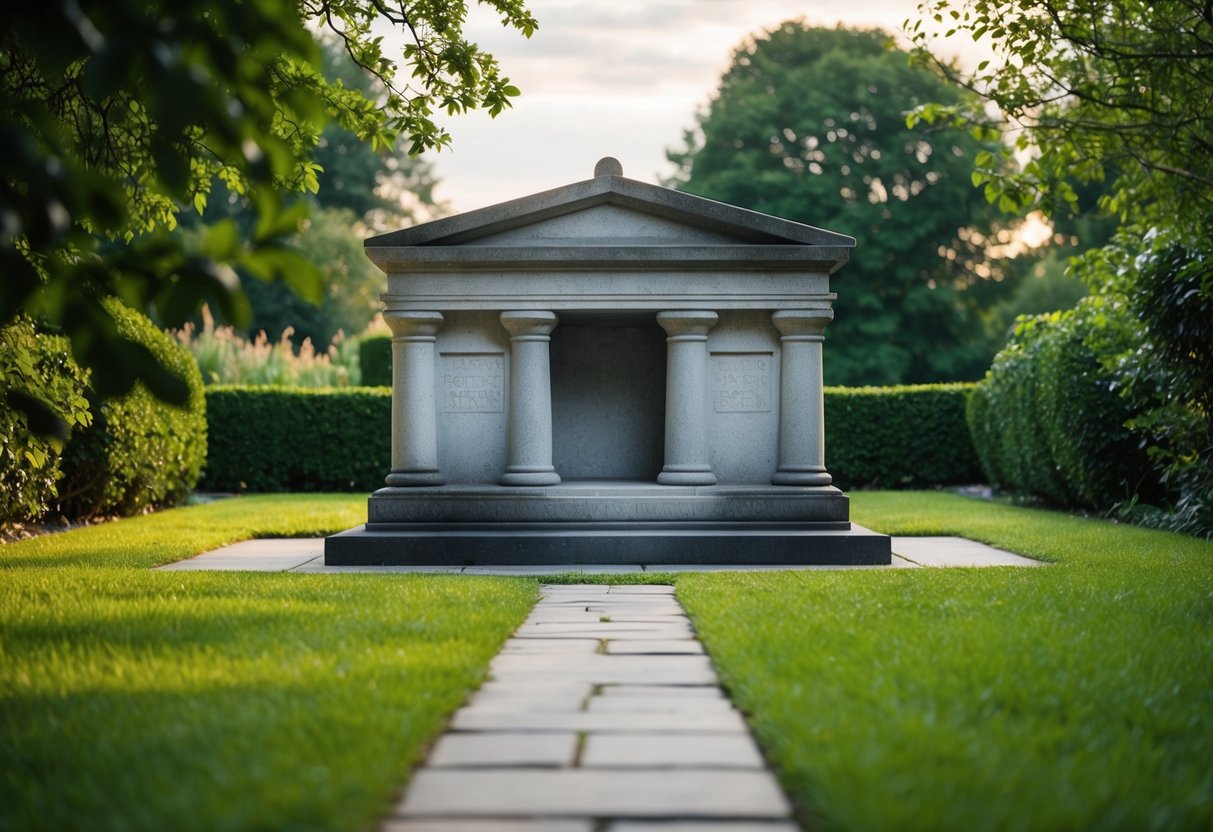
In addition to the Church of the Holy Sepulchre, some also consider the Garden Tomb as a possible burial place.
This site is situated just outside the city walls of Jerusalem and offers a different perspective on the events surrounding Jesus’s death and resurrection.
Other theories, such as the Talpiot Tomb, propose alternative locations, but they are not widely accepted in mainstream Christian beliefs.
The Gospel accounts provide various details about Jesus’s burial, emphasizing that he was laid in a new tomb hewn from rock.
This empty tomb symbolizes hope and represents the cornerstone of Christian faith—the Resurrection. Understanding these locations helps to enrich the historical context and significance of Jesus’s life and teachings.
Historical Context and Religious Significance
The context surrounding Jesus’ burial and resurrection plays a crucial role in Christianity. The events leading to his interment are filled with significant figures and traditions that shape the faith’s core beliefs.
This section explores these events and their implications.
The Crucifixion and Burial of Jesus
Jesus of Nazareth was crucified on Good Friday, an event orchestrated by the Sanhedrin and carried out by Roman soldiers.
Following his death, Joseph of Arimathea, a member of the Sanhedrin, approached Pilate to request Jesus’ body. He sought to honor Jesus, offering his own tomb for the burial.
Joseph, accompanied by Nicodemus, prepared Jesus’ body by wrapping it in linen and applying myrrh, a traditional burial spice. This acts as a reflection of the cultural practices of the time.
The tomb was then sealed with a large stone, and Roman guards were posted to prevent any tampering with the body.
The Resurrection and its Importance in Christianity
The resurrection of Jesus is a cornerstone of Christian belief. According to the Gospels, three days after his burial, Jesus rose from the dead.
This event is said to have occurred at dawn on Sunday, marking a pivotal moment in history.
Believers view the resurrection as a sign of Jesus’ divine nature and promise of eternal life. It is celebrated on Easter Sunday, which follows Good Friday, highlighting the transition from death to life for Christians.
This belief reinforces the significance of Jesus’ tomb as a site of both death and victory over death.
Early Literary References to the Tomb
The Gospel writers document the events surrounding Jesus’ tomb. These accounts emphasize its importance in early Christian thought.
The Gospels of Matthew, Mark, Luke, and John each provide unique perspectives on the burial and resurrection.
The narrative includes details such as the location of the tomb and the reactions of those who discovered it empty. Each writer contributes to the theological implications of the events, encouraging faith among early Christians.
This literary focus on the tomb underscores its central role in the story of Jesus’ life and teachings.
Geographical and Archaeological Exploration
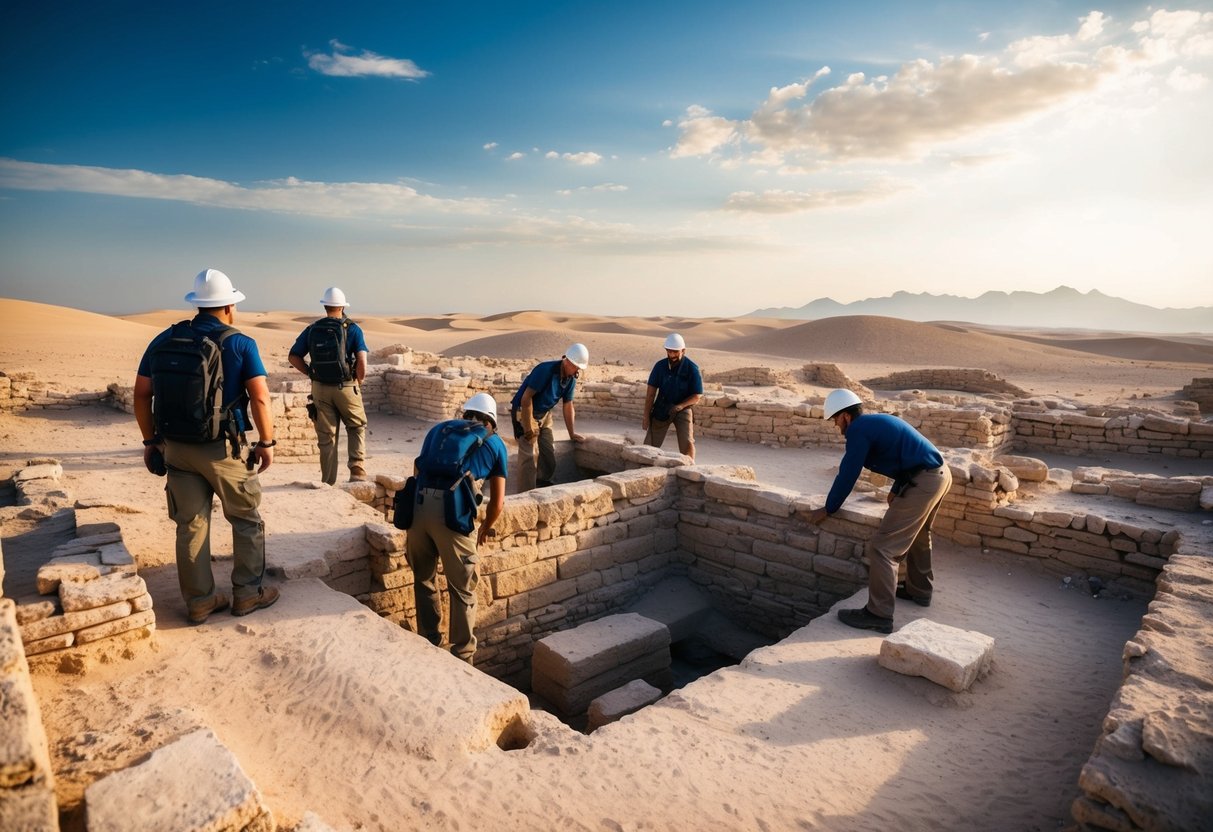
The location of Jesus’ tomb has been a subject of extensive study and debate. Key sites of interest include the Church of the Holy Sepulchre and alternative sites like the Talpiot and Garden Tombs.
Each location presents various historical and archaeological elements that contribute to the understanding of this significant event in history.
The Church of the Holy Sepulchre
The Church of the Holy Sepulchre is widely recognized as the traditional site of Jesus’ crucifixion and burial. Located at Golgotha, it was commissioned by Emperor Constantine in the 4th century after his mother, Helena, identified the site as significant.
The church is built over a limestone cave that houses the traditional tomb of Jesus. This rock-cut tomb, believed to be from the first century, aligns with descriptions found in the Gospels. The site has been a pilgrimage destination for centuries and has undergone various restorations.
Recent archaeological studies have revealed layers of history, including evidence of earlier structures and burial practices, which enhances the historical significance of the Church. The National Technical University of Athens has conducted significant restoration work, uncovering more about the original Edicule that surrounds the tomb area.
Alternative Sites: The Garden and Talpiot Tombs
Alternative theories propose other locations for Jesus’ tomb, such as the Garden Tomb and the Talpiot Tomb.
The Garden Tomb, located outside Jerusalem’s Old City, resembles a first-century Jewish burial site and is often promoted by evangelical groups. Its setting offers a tranquil experience, though lacking substantial historical backing.
The Talpiot Tomb, discovered in 1980, contains several ossuaries with names associated with Jesus and his family. While some claim these findings may connect to Jesus, scholarly debate continues on its authenticity. The tomb originally served as a Jewish cemetery and displays features common to the period’s rock-cut tombs.
These alternative sites challenge the traditional narrative and reflect ongoing archaeological exploration. The combination of evidence at these locations continues to capture interest, inviting further research into the tomb of Jesus.
Scientific Analysis and Dating Methods
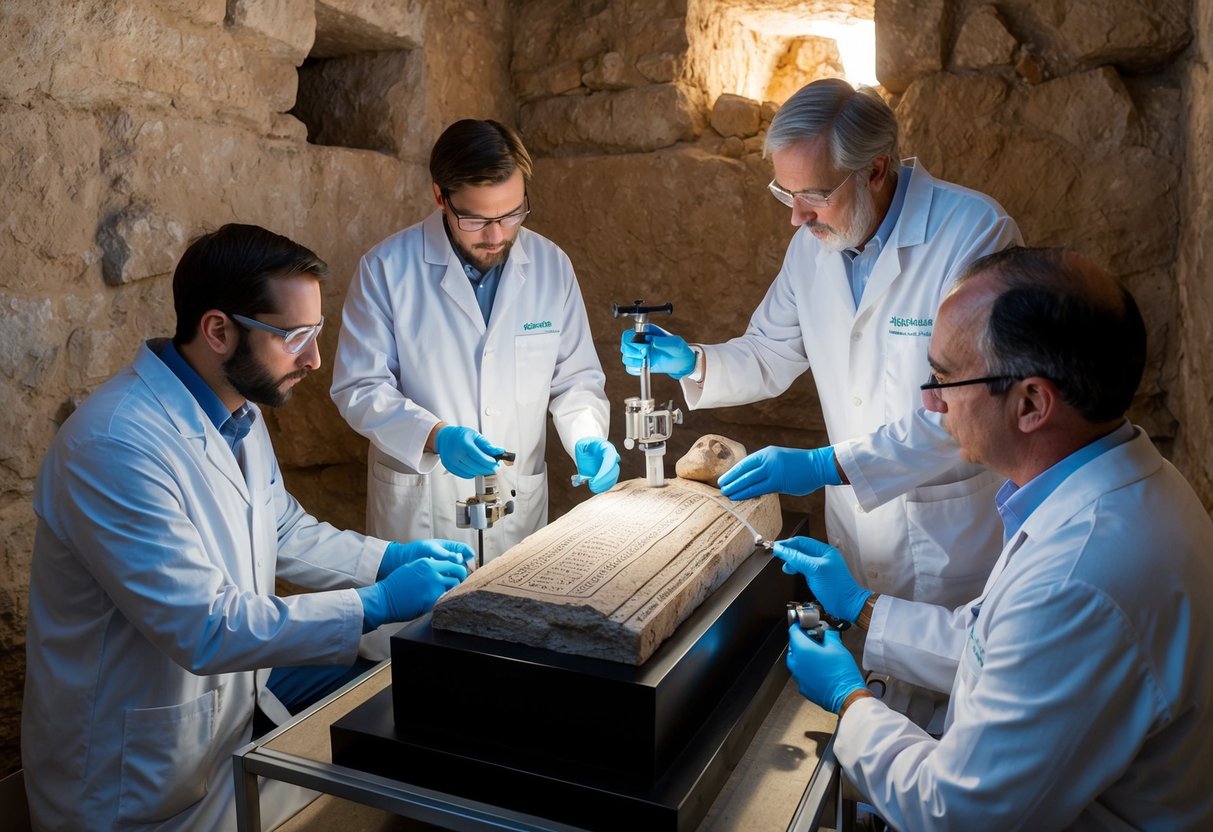
Scientific analysis plays a crucial role in understanding the historical context of Jesus’ tomb. Using advanced dating methods, researchers can gain insights into the tomb’s construction and alterations over time.
Optically Stimulated Luminescence (OSL) Dating
Optically Stimulated Luminescence (OSL) dating helps determine when sediments were last exposed to light. This method is valuable in analyzing the burial bed beneath the Edicule, the structure that encases the traditional site of Jesus’ burial.
In OSL dating, quartz or feldspar grains are collected from layers of sediment. The time since these grains were last exposed to sunlight reveals how long ago the burial site was created. This technique can provide dates that indicate specific periods of activity in the Limestone Quarry, where materials for the tomb were sourced.
By applying OSL dating, researchers can better understand the restoration and conservation efforts undertaken over centuries. The results may help confirm whether the marble cladding added later aligns with earlier construction, ensuring authenticity in the historical narrative surrounding the tomb.
Cultural Impact and Religious Observances
The location of Jesus’ tomb has significant cultural and religious meaning. It shapes various observances and traditions, particularly around Easter. The commemoration of Jesus’ resurrection plays a key role in bringing unity among different Christian denominations.
Easter Celebration and Commemorations
Easter is a vital celebration in Christianity, marking Jesus’ resurrection.
On Easter Morning, many believers reflect on the biblical accounts of Jesus rising from the dead on the Third Day after his crucifixion. This event is central to Christian faith, as it symbolizes hope and renewal.
The Church of the Holy Sepulchre, located in Jerusalem, is where many commemorate this event. Pilgrims gather to honor Jesus’ Death and resurrection. Various services occur throughout the day, including the Midnight Office and the Holy Fire ceremony, especially important for the Greek Orthodox and Roman Catholic traditions.
Many also remember the role of Mary Magdalene and the disciples in discovering the empty tomb. Such observances reinforce community bonds and spiritual reflection among Christians.
Pilgrimage to the Holy Sites
Pilgrimages to the Church of the Holy Sepulchre are common, especially during Holy Week. Visitors come to honor the site where Jesus was buried. This journey holds deep significance, as individuals seek spiritual connection to the events of Jesus’ life, death, and resurrection.
The pilgrimage is often seen as an act of devotion and unity among different Christian sects. Services conducted at the site often feature readings about Jesus’ crucifixion, burial, and resurrection. Pilgrims also engage in prayers and rituals, fostering a sense of shared faith. Many leave with a renewed sense of purpose and understanding of the significance of Jesus’ sacrifice and resurrection.
Contemporary Significance and Challenges
The Tomb of Jesus holds immense religious and historical significance. Its preservation and authenticity remain subjects of ongoing debate amid restoration efforts and religious tourism’s growth.
Ongoing Restoration and Preservation Efforts
The Church of the Holy Sepulchre, where the tomb is located, experiences continual restoration challenges.
Roman Emperor Constantine commissioned the original church in the early fourth century. Eusebius documented its significance, emphasizing its role in Christian history.
Modern archaeologists have conducted various preservation projects to maintain the site’s structural integrity. These efforts often face financial constraints and disagreements among different Christian denominations.
Each group seeks to protect its heritage while promoting Christian unity.
Religious tourism further complicates preservation efforts as millions visit each year. Balancing visitor needs with maintenance priorities proves crucial in sustaining the site for future generations while honoring its past.
Debate and Conflict over Authenticity
Debates surrounding the authenticity of Jesus’ tomb persist.
Historians often analyze various forms of historical evidence, including biblical descriptions and archaeological findings.
Some scholars argue that alternative sites, like the Garden Tomb, could also potentially be the burial place of Jesus.
This view adds layers to the conversation about the tomb’s significance.
The ongoing dispute not only reflects scholarly opinions but also affects Christian unity.
Different traditions may claim their narrative as the true one, leading to conflicts.
Addressing these conflicting views remains essential for fostering dialogue among diverse Christian communities while ensuring the tomb’s legacy is preserved.
