
Jesus entered the world in a small town known for its deep historical roots, yet many believers and historians often ask why was Jesus born in Bethlehem specifically.
The location was not chosen by chance; it was essential to fulfill the Old Testament prophecy found in the book of Micah.
Scripture stated that the Messiah would come from this humble setting, establishing the town’s eternal significance. The Nativity scene, famous around Christmas, captures this pivotal moment and highlights the importance of His birthplace.
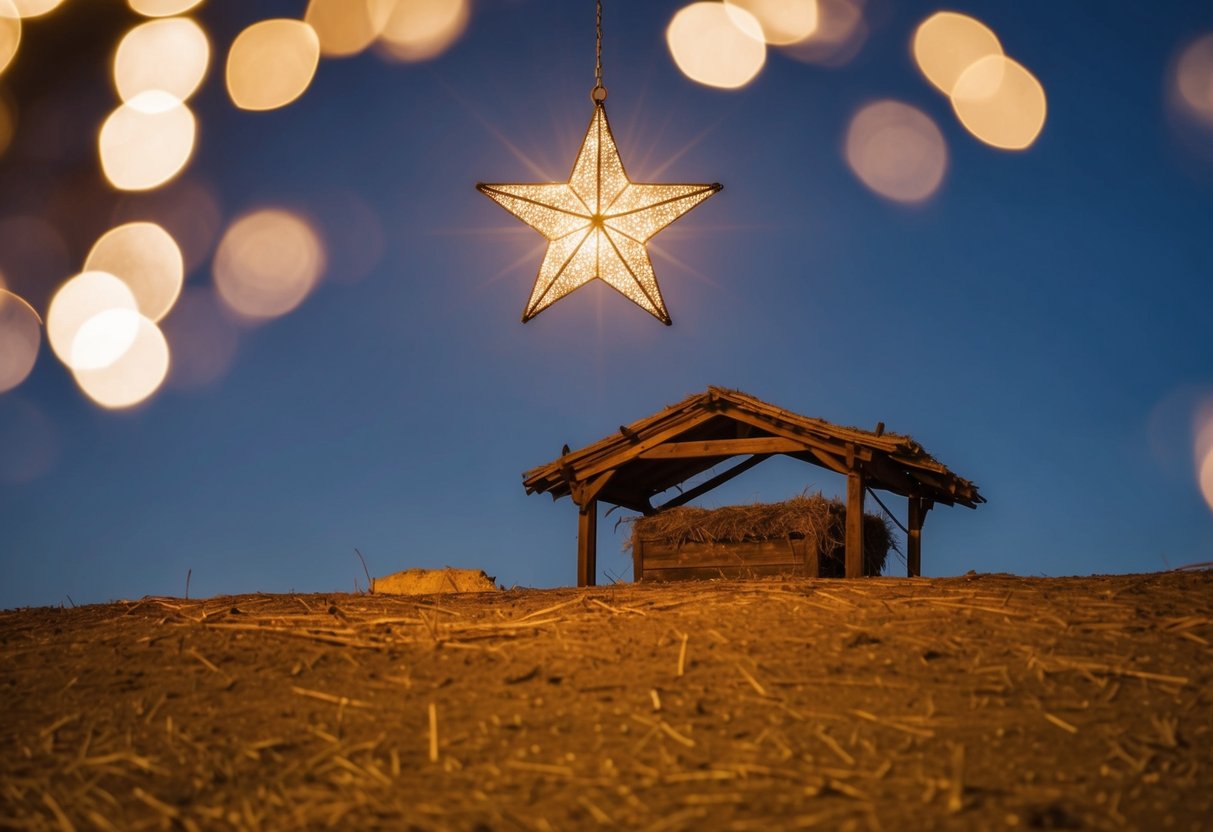
Bethlehem, known as the “house of bread,” symbolizes sustenance and life, making it a fitting location for the birth of Jesus. The town also has strong connections to King David, as it was his birthplace, which adds a layer of importance to Jesus’ lineage.
Understanding these elements not only deepens the appreciation for the Christmas story but also reveals how events unfolded according to divine plan.
The journey of Mary and Joseph to Bethlehem was influenced by Roman laws that required a census. Their arrival in Bethlehem, just as Mary was about to give birth, sets the stage for a miraculous event that has shaped Christian beliefs for centuries.
Exploring why Jesus was born in Bethlehem offers insights into the historical, prophetic, and theological importance of this significant location.
Historical Context of Bethlehem
Bethlehem has a rich history that is significant to both geography and biblical narratives. Its location and heritage shape its importance in the stories of Israel, particularly regarding King David.
Geographical Significance
Bethlehem is situated in Judea, about 5 miles south of Jerusalem. This strategic location made it a key city throughout ancient history.
The name Bethlehem means “House of Bread,” highlighting its agricultural roots. The surrounding hills provided fertile land for farming.
During the time of Jesus, Bethlehem was part of the Roman Empire. High traffic from trade routes made it a bustling town, increasing its cultural diversity and importance.
Bethlehem in Scripture
Bethlehem appears frequently in the Bible. It is best known as the birthplace of King David. The prophet Samuel anointed David here, starting his journey to kingship.
In Micah 5:2, a prophecy declares that Bethlehem would also be the birthplace of the Messiah. This prediction is pivotal for Christian beliefs regarding Jesus’ birth.
The city is associated with the story of Rachel, Jacob’s wife, who died giving birth to Benjamin nearby. Her tomb remains a site of reverence, linking Bethlehem to deeper biblical narratives.
The City of David
Bethlehem is often referred to as the City of David. This title emphasizes its role in Jewish identity.
David’s lineage and kingship began in this town, marking it as significant in Jewish history.
In the New Testament, Bethlehem’s connection to David is reinforced, as the Gospels link Jesus’ ancestry back to David. This lineage is critical in establishing Jesus’ rightful claim to being the Messiah.
The combination of historical and spiritual significance makes Bethlehem a landmark both geographically and biblically.
Prophetic Foundations

The birth of Jesus in Bethlehem holds significant roots in prophecy, specifically highlighting the words of Micah and connections to King David. These prophecies shaped the expectations of the Messiah and affected how early believers perceived Jesus’ significance.
Prophecy of Micah 5:2
Micah 5:2 directly foretold that the Messiah would be born in Bethlehem. This passage describes Bethlehem as a small town, yet it states that from this place, a ruler will emerge. The original text emphasizes the humble origins of the Messiah, reinforcing the theme of God choosing unlikely places for significant events.
This particular prophecy was written around 700 years before Jesus’ birth, making it a crucial foundation for understanding his role. It reflects the importance of Bethlehem in the Jewish tradition and sets the stage for the arrival of Jesus.
Lineage of King David
The prophecy about Jesus’ birthplace is intertwined with the lineage of King David. Jesus is a descendant of David, which fulfills the Jewish expectation of a Messiah from David’s line.
This connection is essential as it aligns Jesus with the rightful claim to kingship. Many prophecies throughout the Old Testament, including those found in Jeremiah and Isaiah, reinforce this lineage.
The belief that the Messiah would come from David’s heritage was significant to the Jewish people, as it implied restoration and hope for their nation, particularly during times of hardship.
Expectations of the Messiah
During biblical times, Jewish people eagerly anticipated the arrival of the Messiah, shaped by prophecies like Micah 5:2. They saw the Messiah as a savior who would restore their nation and bring peace.
This expectation was influenced by the belief that the Messiah would come from Bethlehem, the city of David. As a result, the birth of Jesus was met with both excitement and skepticism.
Many hoped he would fulfill their dreams of a powerful leader, while others questioned his true identity. These expectations were pivotal in how Jesus’ life and mission were perceived, impacting both followers and skeptics alike.
The Nativity Account
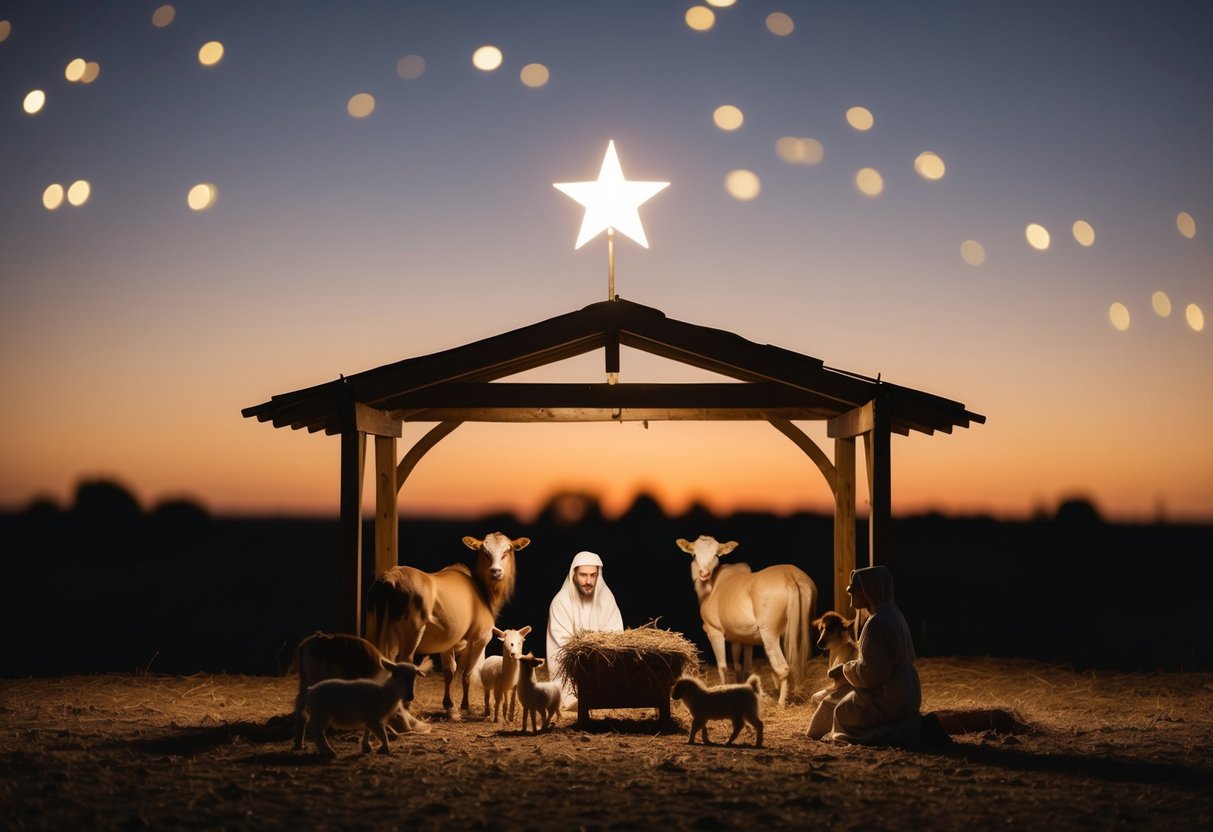
The Nativity Account describes the birth of Jesus, focusing on the journey of Mary and Joseph, the circumstances of his birth, and the events surrounding that night.
Key figures include the Roman Emperor Caesar Augustus and the shepherds who received the news of Jesus’ arrival.
The Gospel of Luke
The Gospel of Luke provides a detailed account of Jesus’ birth. According to Luke, Mary was visited by the angel Gabriel, who announced that she would conceive Jesus by the Holy Spirit. This announcement fulfilled Jewish customs regarding prophecy and the expected Messiah.
Luke emphasizes the importance of Mary’s humble status and her acceptance of this significant role. The writer explains that Joseph, a descendant of King David, took Mary as his wife. This connection to David is crucial in fulfilling Old Testament prophecies.
The Journey to Bethlehem
Mary and Joseph traveled to Bethlehem due to a census ordered by Caesar Augustus. This Roman law required everyone to return to their hometown for registration.
The journey from Nazareth to Bethlehem was about 80 miles and would have taken several days.
When they arrived in Bethlehem, the inns were full. As a result, they sought shelter in a stable. This location highlights the humble beginnings of Jesus and adheres to the prophecy of a lowly start.
The Birth of Jesus
Jesus was born in a manger, a feeding trough for animals. This setting emphasizes the simplicity and poverty surrounding his birth. Mary wrapped him in swaddling clothes and laid him there.
That night, an angel appeared to nearby shepherds, announcing the birth of the Savior. The shepherds were told to find the baby in the manger.
This moment marked the fulfillment of prophecies and was the beginning of the New Testament’s story of redemption. The shepherds visited Jesus, sharing the joyful news of his birth.
The Significance of Jesus’ Birthplace
The birthplace of Jesus holds deep meaning in Christianity. It represents not only the fulfillment of ancient prophecies but also carries significant theological implications. Additionally, Bethlehem has become central to Christian tradition and worship.
Fulfillment of Old Testament Prophecies
Jesus’ birth in Bethlehem was prophesied in the Old Testament, specifically in Micah 5:2. This scripture foretold that the Messiah would come from this small town, emphasizing its importance in God’s plan.
The prophecy highlights the humble origins of Jesus, born in a lowly stable rather than a grand palace. This choice reinforces the idea that greatness can come from the smallest places.
The fulfillment of this prophecy underscores the significance of Jesus‘ identity as the Messiah, connecting His life to the scriptures. The Church of the Nativity in Bethlehem now marks this historic site, attracting pilgrims and tourists who seek to understand this prophecy’s weight.
The Theological Implications
The significance of Jesus being born in Bethlehem extends to theological discussions. Christians believe that Jesus is both fully divine and fully human.
His birth in a modest setting illustrates the idea of God entering the world in a relatable way. This location serves as a reminder that God’s promises are often fulfilled in unexpected circumstances.
The small town of Bethlehem symbolizes the humble beginnings of Jesus, contrasting His ultimate role as Savior and King. This duality is central to Christian theology, reflecting the nature of Christ’s mission.
For many believers, the birthplace of Jesus symbolizes hope and the fulfillment of God’s promises to humanity.
Bethlehem in Christian Tradition
Bethlehem has become a focal point in Christian tradition. The site of Jesus’ birth, known as the Church of the Nativity, is one of the oldest continually operating churches in the world. Annually, thousands visit to honor this sacred location.
The town is often associated with themes of peace, hope, and joy, especially during the Christmas season. Traditional nativity scenes usually depict the stable in Bethlehem, cementing its role in Christian celebrations.
This connection continues to shape how Christians understand the significance of Jesus’ incarnation and the promise of salvation. The traditions surrounding Bethlehem enhance its prominence in the faith, making it a symbol of Christianity worldwide.
Cultural Impact and Legacy
The birth of Jesus in Bethlehem has left a profound mark on cultures around the world. It influences Christmas celebrations, artistic expressions, and its spiritual significance for millions.
Christmas Celebrations Worldwide
Christmas commemorates the nativity of Jesus, observed on December 25. This day brings joy to families and communities. Traditions vary across cultures, but many include attending church services, singing carols, and sharing festive meals.
Common elements of Christmas celebrations:
- Nativity Scenes: Representing the birthplace of Jesus, these displays often include figures of Mary, Joseph, and the baby.
- Gift Giving: Inspired by the Magi’s offerings of gold, frankincense, and myrrh, gifting symbolizes blessings and love.
These practices highlight the importance of community and the storytelling of faith during the holiday season.
Artistic Representations and Nativity Sets
Art depicting the nativity story enriches cultural heritage. Nativity sets illustrate the scene of Jesus’ birth, often featuring various materials like wood, glass, and fabric.
Key components of nativity sets:
- Mary and Joseph: Central figures representing love and devotion.
- Baby Jesus: Often swaddled, symbolizing innocence and hope.
- The Magi: Their gifts of gold, frankincense, and myrrh showcase reverence and the acknowledgment of Jesus’ significance.
Artists throughout history have depicted this scene, allowing believers to connect with the story’s spiritual essence.
Spiritual Significance for Believers
For many, the event of Jesus’ birth is a cornerstone of faith. It signifies the promise of eternal life and the hope of salvation.
Believers find deep meaning in the nativity story, as it embodies the themes of love, compassion, and divine intervention.
Core beliefs tied to Jesus’ birth:
- Hope and Joy: The coming of Christ brings joy to believers’ hearts.
- Blessings: Many see the nativity as a blessing that guides them throughout the year.
The legacy of Bethlehem resonates, reminding individuals of the profound impact of faith in their lives.
