
In many religious communities, sisters lead lives deeply devoted to faith, prayer, and service. As people observe their modest lifestyle, an interesting question often arises regarding their daily personal practices: do nuns use mirrors in their private quarters? This curiosity stems from a desire to understand how these women maintain their focus on the spiritual rather than the physical.
The answer varies significantly depending on the specific religious community, as some orders allow very limited use of mirrors for practical purposes, while others completely prohibit them. Such a practice reflects a profound focus on humility and simplicity, which are core values in the life of a nun within the Catholic Church. By minimizing vanity, they aim to direct all their attention toward God.
Ultimately, these rules are not about restriction but about liberation from societal standards of beauty. Whether a mirror is present or not, the emphasis remains on the inner spirit and the communal mission. Understanding these small details offers a unique window into the disciplined and intentional world of cloistered life.
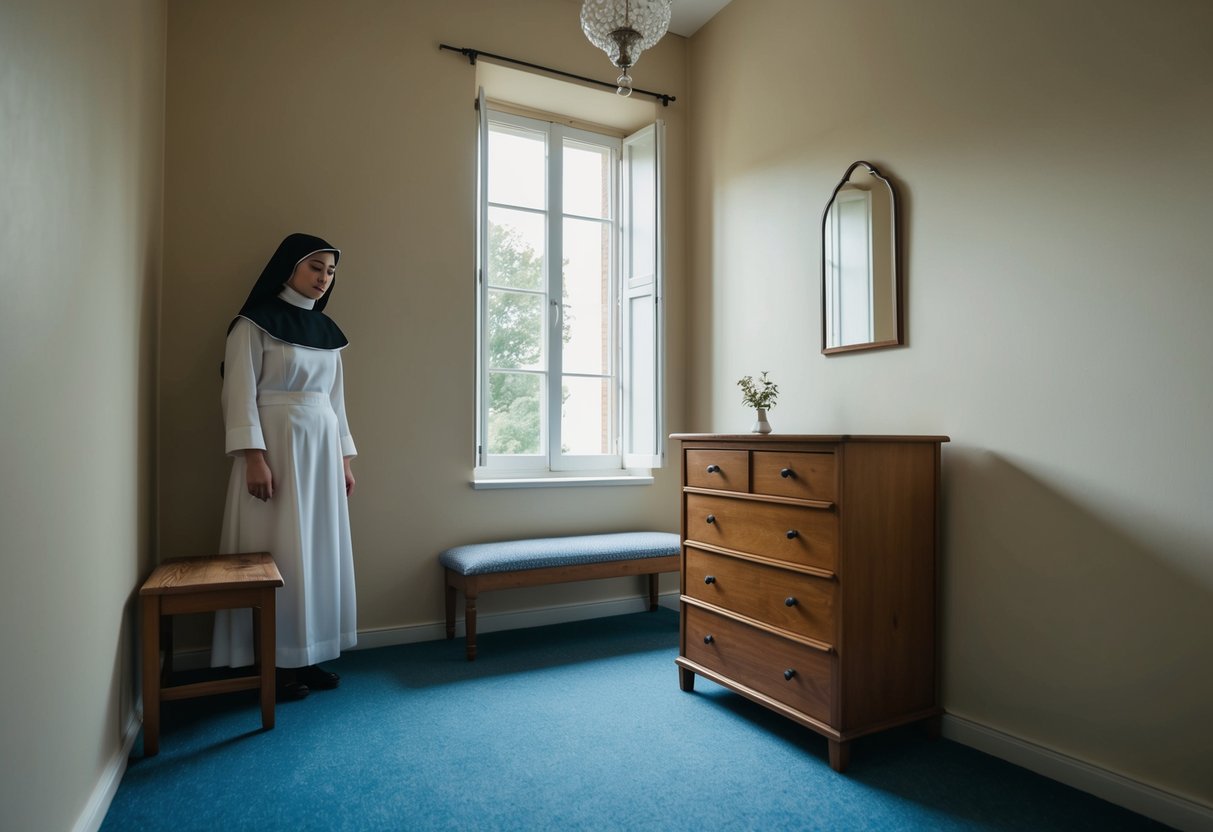
Nuns often engage in daily activities that prioritize community and spiritual growth over personal appearance. For instance, many cloistered nuns do not keep mirrors in their living spaces.
They believe that not focusing on their physical appearance helps them maintain a deeper connection to their faith and their religious community.
Exploring the practices of nuns regarding mirrors offers insight into their way of life and commitment to their beliefs. Those intrigued by the lifestyle of these devoted women can gain a clearer understanding of how their choices align with their spiritual objectives.
Religious Life of Nuns
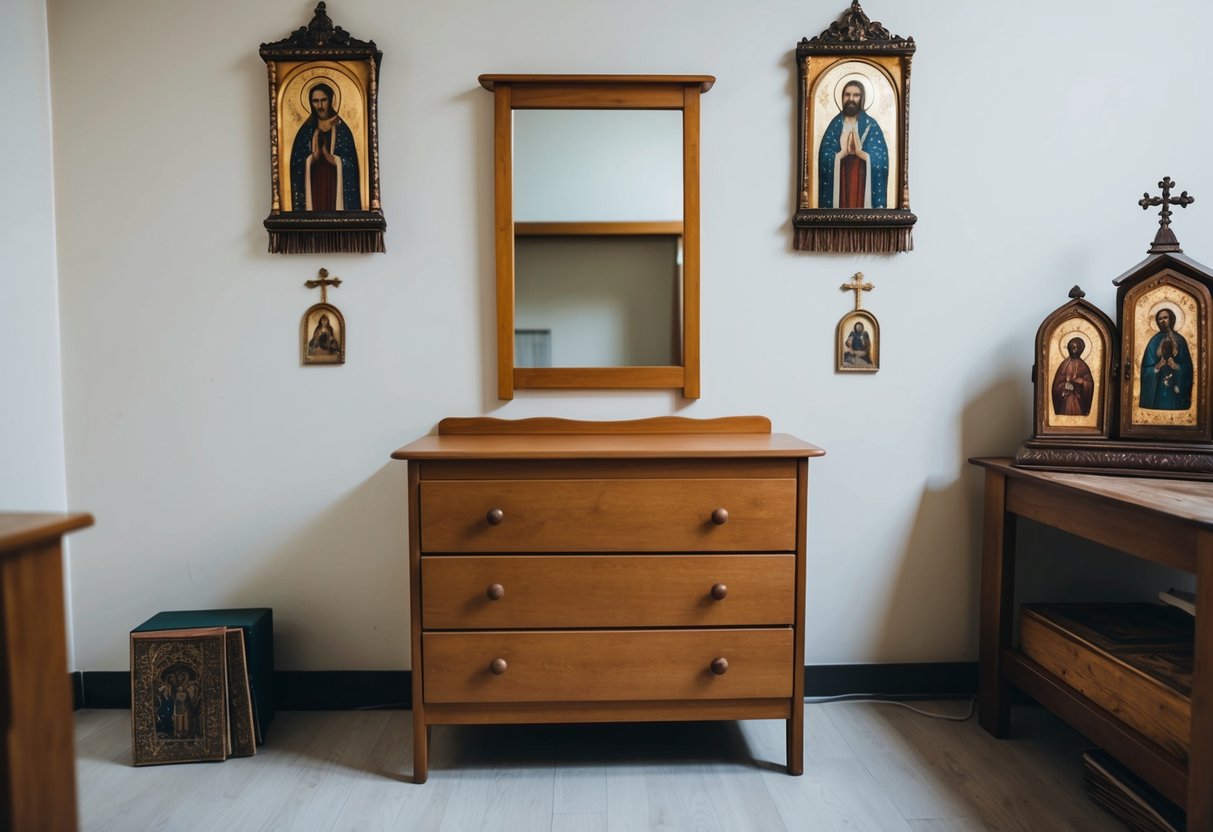
The religious life of nuns involves deep commitments through vows, practices, and community prayer. These elements shape their daily routines and spiritual journeys within their religious orders.
Vows and Commitments
Nuns take three main vows: poverty, chastity, and obedience.
The vow of poverty means that they live simply and share their resources with the community. They give up personal ownership to focus on their spiritual journey.
The vow of chastity calls for a life devoted to God, creating a deep relationship with the divine rather than romantic connections.
The vow of obedience requires them to follow the rules of their religious order and serve their community faithfully.
Before taking solemn vows, women typically go through stages in the community, such as being a postulant and then a novice.
During this time, they learn about the order’s teachings and practices, preparing for their lifelong commitments.
Daily Practices and Prayers
Every day, nuns engage in structured practices that include prayer and communal activities. They follow the Divine Office, which is a series of prayers throughout the day.
This includes prayers like vespers in the evening and compline at night.
Nuns participate in private prayer and meditation to deepen their spiritual life.
Their day often starts early and includes specific times set aside for reflection and worship. This regular practice helps them maintain focus on their commitments and fosters a strong sense of community with their fellow nuns.
Role of Physical Appearance
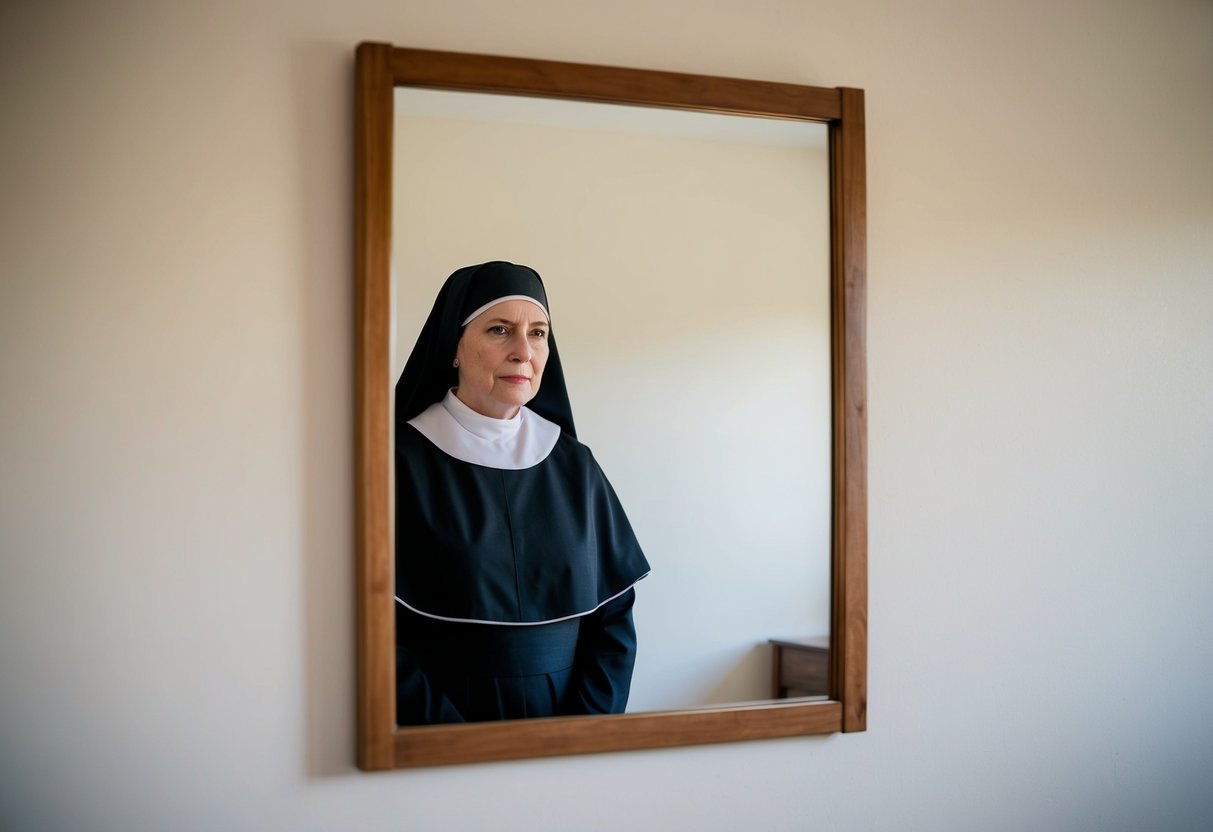
The role of physical appearance for nuns involves balancing the concepts of vanity and humility while maintaining personal hygiene. This balance plays a significant part in their daily lives, affecting their self-perception and virtues.
Concept of Vanity and Humility
Cloistered nuns often focus on spiritual growth over physical appearance. They are taught that vanity can distract from piety and devotion. This belief reinforces a lifestyle where self-reflection, in terms of appearance, is minimized.
Nuns avoid excessive attention to their looks. They see beauty rituals as potential sources of pride rather than expressions of faith.
By reducing focus on physicality, they nurture virtues like humility. The simplicity in their appearance, with minimal use of cosmetics or mirrors, reflects their commitment to a life centered on spiritual rather than physical validation.
Practical Aspects of Cleanliness and Health
While nuns prioritize modesty, cleanliness remains essential. They must maintain a neat appearance for health reasons.
Proper grooming, though simplified, is necessary to prevent illness and promote good hygiene.
Nuns may use mirrors for practical tasks, such as applying medicinal cream. In these instances, the focus remains on health needs rather than vanity.
This practical use of mirrors aligns with their duty to care for their bodies without succumbing to self-judgment or competition.
Maintaining cleanliness helps nuns embody their values of virtue and service. Their approach to appearance balances health concerns while honoring their spiritual commitments.
The Significance of Material Possessions
Material possessions in a nun’s life hold a special role, reflecting their commitment to poverty and simplicity. The careful selection of objects helps to limit distractions and fosters a deeper spiritual focus. Here are two key aspects that highlight how these possessions impact the daily life of nuns.
Embracing Poverty and Simplicity
Nuns often embrace a lifestyle of poverty, which means they own only what is necessary. This commitment to simplicity allows them to avoid distractions that can arise from material wealth.
In many monasteries, mirrors are limited or absent altogether. The absence of mirrors helps nuns avoid becoming overly focused on their appearance, thus promoting humility.
By keeping possessions to a minimum, nuns remain focused on their spiritual duties. This practice encourages mindfulness and strengthens their connection to their faith. Items they do have, like books or religious artifacts, serve a functional purpose rather than a personal one.
Use of Objects and Technology
While nuns live simply, some objects are essential for their daily lives.
In rare cases, nuns may need mirrors for practical reasons, like applying medicinal creams. Still, these instances are exceptions rather than the norm.
In modern times, technology can sometimes enter the convent, mainly for communication purposes. However, social media and similar distractions are often avoided to maintain focus on spiritual matters. The careful use of objects and technology reflects their commitment to a life dedicated to faith rather than material concerns.
Carmelite Nuns and Enclosed Monastic Communities
Carmelite nuns belong to a specific tradition within enclosed monastic communities. Their way of life emphasizes solitude, prayer, and a deeper connection with God, set apart from the distractions of the outside world.
Understanding Cloistered Life
Carmelite nuns live in what is known as a cloister. This means they are physically separated from the outside world to focus on their spiritual lives. The cloister is designed to provide privacy and reinforce their commitment to God. The grilles and walls symbolize this separation.
In these communities, daily routines include prayer, meditation, and communal worship. The nuns engage in a life of service, offering prayers for the world while remaining hidden from it. They dedicate their lives to spirituality and reflection, which helps to cultivate a strong bond within their religious community.
The origins of the Carmelite order date back to the Counter-Reformation, emphasizing the need for spiritual renewal. This commitment continues to define their identity as a religious community today.
Education, Outreach, and the Path to Becoming a Nun
Education and outreach play vital roles in the journey to becoming a nun. Nuns engage in spiritual training and provide valuable services to their communities. This process involves various stages, where individuals discern their calling and receive the necessary education.
Spiritual and Theological Training
To become a nun, one must undergo significant spiritual and theological training. This training often includes studying religious texts, church teachings, and the life of Jesus Christ.
Nuns typically attend formation programs where they learn about their specific religious order’s rules and customs.
Courses may cover theology, ethics, and scripture, providing a strong foundation for their faith and daily life.
Praying regularly is also essential during this stage, as it helps deepen their relationship with God.
Charity, Teaching, and External Works
Nuns frequently engage in charity and outreach efforts as part of their mission. They may work in schools, hospitals, or community centers, focusing on education and service.
Many nuns are involved in teaching, guiding students not only in academics but also in moral and spiritual development.
Their outreach work often addresses the needs of the poor, sick, or marginalized, reflecting their commitment to love and serve others.
Through various activities, they embody the principles of charity and compassion outlined in Christian teachings.
Stages and Discernment Process
The path to becoming a nun involves several stages, starting with discernment.
During this time, an individual reflects on her spiritual life and considers her calling. She may join a community of nuns to observe their daily routines.
The next stage is postulancy, a period of initial training and evaluation. This allows the candidate to learn more about the life and responsibilities of a nun.
Following postulancy, she may enter the novitiate, where she receives more in-depth training. This process helps candidates decide if they are ready to take vows and commit to religious life.
Each stage is essential for ensuring that the individual is aligned with the beliefs and practices of her religious community.
