
Christ’s profound spiritual habits serve as a perfect model for believers today. To deepen their own connection with God, many look to the Gospels to understand exactly how did Jesus pray during his ministry.
He often sought solitude to commune with the Father, teaching his followers the vital importance of consistent communication with heaven.
From the structured guidance of the Lord’s Prayer to his agonizing moments in Gethsemane, his conversations with God reveal a pattern of deep trust and reliance.
These examples show that prayer was not just a ritual for Him, but a lifeline that guided every step of his journey on Earth.

Throughout his ministry, Jesus demonstrated the power of prayer in various ways. He prayed for guidance before making important decisions and expressed gratitude for the blessings he received.
This practice emphasizes that prayer is not just a routine but a vital connection to the divine.
The prayers of Jesus invite believers to explore their own relationship with God. By examining how he prayed, individuals can gain insight into developing their own prayer habits and finding strength in their spiritual journeys.
Understanding Prayer in Jesus’s Life
Prayer was an essential part of Jesus’s life, shaping his relationship with God and guiding his actions. Through his example, he taught his disciples and followers the significance of prayer in nurturing faith and seeking divine guidance.
Prayer as a Central Practice
Jesus prayed regularly, showing its importance in his daily life. He often sought solitude to connect with God, especially before making significant decisions.
For instance, before selecting his twelve disciples, he spent the night in prayer. This highlights the necessity of seeking divine insight during crucial moments.
Jesus also prayed in various situations, including during public events. For example, he prayed before feeding the 5,000, demonstrating his reliance on God even in the midst of challenges.
These moments reveal that prayer was not just a ritual but a vital lifeline to God.
Teachings on Prayer
Jesus taught his disciples how to pray effectively. He emphasized sincerity, suggesting that prayer should come from the heart rather than be a performance for others.
The Lord’s Prayer, provided in Matthew 6:9-13, serves as a model for addressing God and making requests.
Additionally, Jesus stressed the importance of faith in prayer. He often connected the act of praying with trust in God’s response.
By relying on Scripture, he taught that prayers should align with God’s will, underscoring the significance of understanding the Scriptures in enhancing one’s prayer life.
Significant Moments of Prayer in Jesus’s Ministry

Throughout his ministry, Jesus demonstrated the importance of prayer during significant events. These moments showed his reliance on God and his commitment to fulfilling his mission. Here are key instances where prayer played a crucial role.
Choosing the Twelve Disciples
Before selecting his twelve apostles, Jesus spent an entire night in prayer. In Luke 6:12-13, it is noted that he sought God’s guidance on this important decision.
This choice was pivotal because these disciples would carry on his teachings and lead the early church.
During this time of prayer, Jesus looked for divine clarity and wisdom. By connecting with God, he received the assurance needed to choose men who would support his public ministry.
Prayer in the Wilderness and Temptation
After his baptism, Jesus went into the wilderness. This period of preparation included 40 days of fasting and intense prayer. During this time, he faced temptations from the devil, which are described in Matthew 4:1-11.
His prayers strengthened him to resist these challenges. By relying on God’s Word, he affirmed his mission and showed that prayer is vital in overcoming life’s difficulties, especially in times of testing.
The Raising of Lazarus
When Jesus learned of Lazarus’s illness, he did not rush to heal him. Instead, he prayed before raising Lazarus from the dead.
In John 11:41-42, he addressed God openly, acknowledging God’s power and his own connection to the Father.
This act highlighted the importance of prayer in bringing about miraculous events. It demonstrated his faith and trust in God’s plan, showing that even in the face of death, prayer can lead to new life.
Major Prayers of Jesus
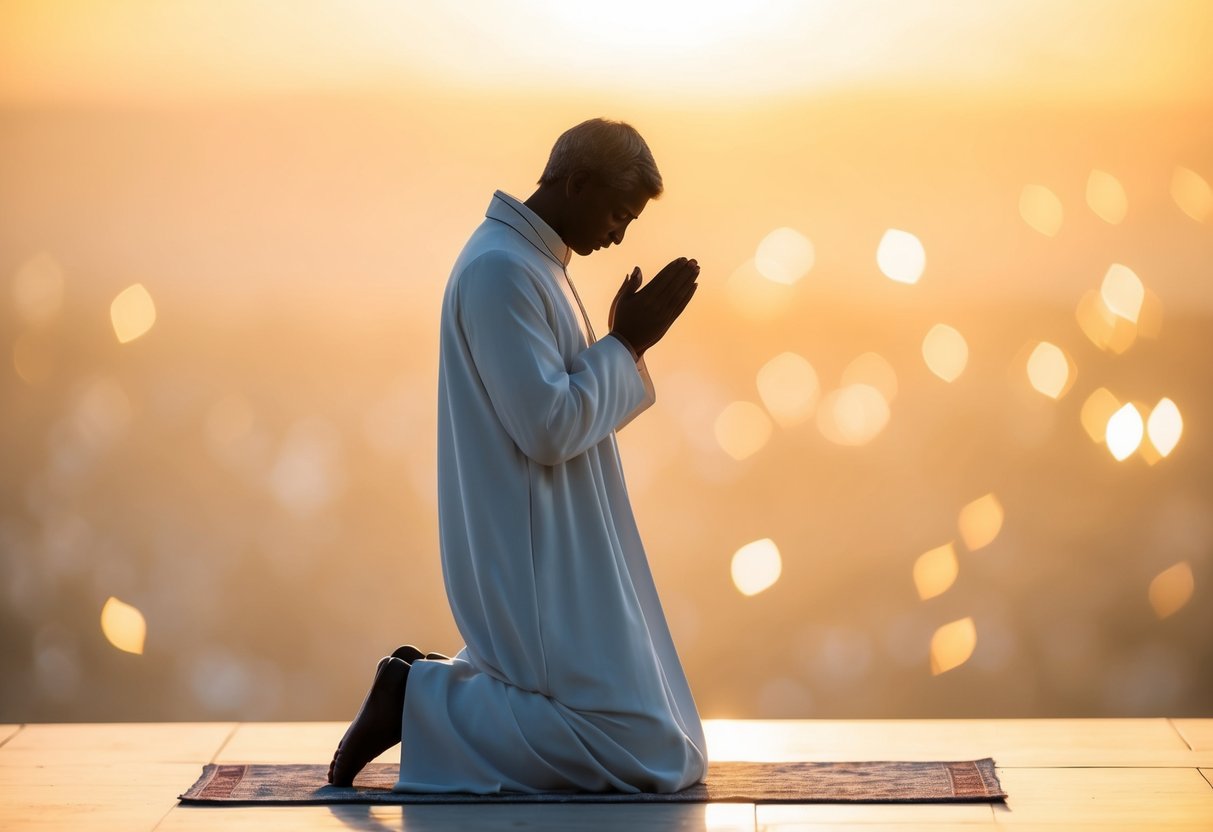
Jesus Christ’s prayer life was rich and varied, reflecting his deep connection to God. Through different occasions, he offered powerful prayers that teach about faith, obedience, and the nature of his mission. Notably, these prayers include the Lord’s Prayer, the High Priestly Prayer, prayers at the Last Supper, and his prayer in the Garden of Gethsemane.
The Lord’s Prayer
The Lord’s Prayer, found in Matthew 6:9-13 and Luke 11:2-4, serves as a model for Christian prayer. Jesus taught this prayer during the Sermon on the Mount, emphasizing the importance of addressing God as “Our Father.”
Key themes include seeking God’s kingdom and will. The prayer highlights essential elements like daily needs, forgiveness, and spiritual protection.
By saying, “Thy kingdom come,” Jesus invites followers to align with God’s purpose. This prayer embodies both personal and communal aspects of faith.
High Priestly Prayer
In John 17, Jesus offers the High Priestly Prayer, a profound moment of intercession. He prays for his disciples, emphasizing their unity and protection.
This prayer reveals Jesus’ desire for believers to be one, just as he is one with the Father.
He also asks for glory, stating, “Father, the hour has come; glorify your Son.” Jesus seeks to show God’s power through his mission. The prayer concludes with a plea for those who will believe in him, demonstrating his hope for future generations to know the truth of God’s love.
Prayers at the Last Supper
During the Last Supper, Jesus prayed with deep intensity. He gave thanks for the bread and wine, indicating their symbolic significance.
His prayers focused on unity among his disciples and a reminder of his impending sacrifice.
Jesus shared his wish for joy and peace for them, encouraging faith during trying times. This gathering highlighted the importance of communion, both physically and spiritually, as Jesus prepared them for his eventual departure.
Gethsemane: A Moment of Anguish
In the Garden of Gethsemane, Jesus faced one of his most challenging moments. In Matthew 26:39, he prayed earnestly, saying, “My Father, if it is possible, let this cup pass from me.”
His prayer reveals his deep anguish about the suffering ahead.
Despite his struggle, he submitted to God’s will, saying, “Not as I will, but as you will.” This moment emphasizes the importance of prayer during trials and showcases Jesus’ commitment to fulfilling his mission. Additionally, it highlights the human aspect of Jesus, contrasting his divine purpose with his human emotions.
The Nature of Jesus’s Intercession
Jesus’s intercessory role is vital for believers. He advocates for them, ensuring their connection to God remains strong. This section focuses on how Jesus intercedes for his followers and his unique role as a mediator and high priest.
Interceding for Believers
Jesus intercedes for believers by presenting their needs and struggles before God. This ongoing process is crucial for maintaining their faith and hope.
He speaks on their behalf, reminding God of his sacrifice and their need for grace.
In John 17, known as the High Priestly Prayer, Jesus asks for unity among his followers. This prayer highlights his desire for believers to be closely connected, reflecting the unity found within the Trinity.
He pleads for their protection and eternal life, ensuring they remain in a strong relationship with God.
Moreover, Jesus’s intercession reassures believers that they are never alone. When they sin or face troubles, they can find comfort in knowing that he advocates for them.
This deep communion with God strengthens their faith and gives them courage to face challenges.
Role as Mediator and High Priest
As mediator and high priest, Jesus bridges the gap between humanity and God. He fulfills this role by interceding for believers with authority and compassion.
His sacrifice enables him to present their prayers in a way that pleases God.
The Bible teaches that Jesus sits at the right hand of God, continually interceding for his followers (Romans 8:34). This powerful imagery emphasizes his position and commitment to their well-being.
By offering his high priestly prayer, he demonstrates the importance of maintaining close communion with God.
Jesus’s role also involves advocating against accusations from the enemy. Believers can find confidence in his defense, knowing that he understands their struggles and represents them faithfully.
This assurance encourages them to draw nearer to God, knowing they have a reliable mediator in Jesus.
Reflections on How to Pray Like Jesus
Prayer was central to Jesus’s life. He frequently withdrew to quiet places to connect with God. Understanding His habits can inspire a deeper prayer life, focusing on genuine connection and intention.
Lessons on Prayer from the Life of Jesus
Jesus often prayed in different situations. For instance, He prayed before making important decisions, such as choosing His disciples. This shows the importance of seeking God’s guidance through prayer.
He also prayed during key events, like His baptism. This moment marked the beginning of His ministry.
His prayers included both praise and requests, reflecting a balance between adoration for God and bringing forth personal needs.
In Matthew 6:9-13, the Lord’s Prayer serves as a model. It emphasizes connection with God through acknowledging His holiness, seeking daily needs, and asking for forgiveness.
Children represent a significant aspect of His teachings about faith and prayer. Jesus welcomed them and emphasized their importance in the kingdom of God. This highlights the idea that prayers should be sincere and simple, much like the faith of a child.
Adopting Jesus’s Praying Habits
To pray like Jesus, one must adopt His praying habits. This includes setting aside time each day for prayer.
Jesus often went to solitary places to pray. It is in these quiet moments that individuals can focus and connect deeply with God.
Modeling prayers after Jesus’s example can enhance one’s faith. Each prayer can be structured similarly to the Lord’s Prayer, focusing on praise, supplication, and asking for guidance.
It’s crucial to include personal intentions but also to seek God’s will.
Incorporating thankfulness in prayers is another lesson from Jesus. Recognizing blessings can strengthen faith and deepen one’s relationship with God.
Engaging in regular prayer, like Jesus, creates a pathway to spiritual growth and a stronger bond with the divine.
