
The expansive lore of the TV series “Supernatural” covers everything from angels to pagan gods, leading viewers to speculate about the ultimate religious figure.
With so many biblical themes explored throughout the fifteen seasons, fans frequently search the canon to ask: Is Jesus in supernatural as an actual character? While he is definitely referenced within the show’s universe, he never appears on screen as a major player or active deity.
Instead, the series creators chose to focus on a mixture of obscure folklore, demons, and intermediate supernatural beings like angels and Nephilim. This narrative choice avoids specific theological controversies while building a unique mythology around the Winchester brothers.
This limited role often surprises new viewers, given the show’s heavy reliance on Christian apocalypse narratives. However, it allows the writers to craft a distinct story without being bound to a traditional depiction of Christ.
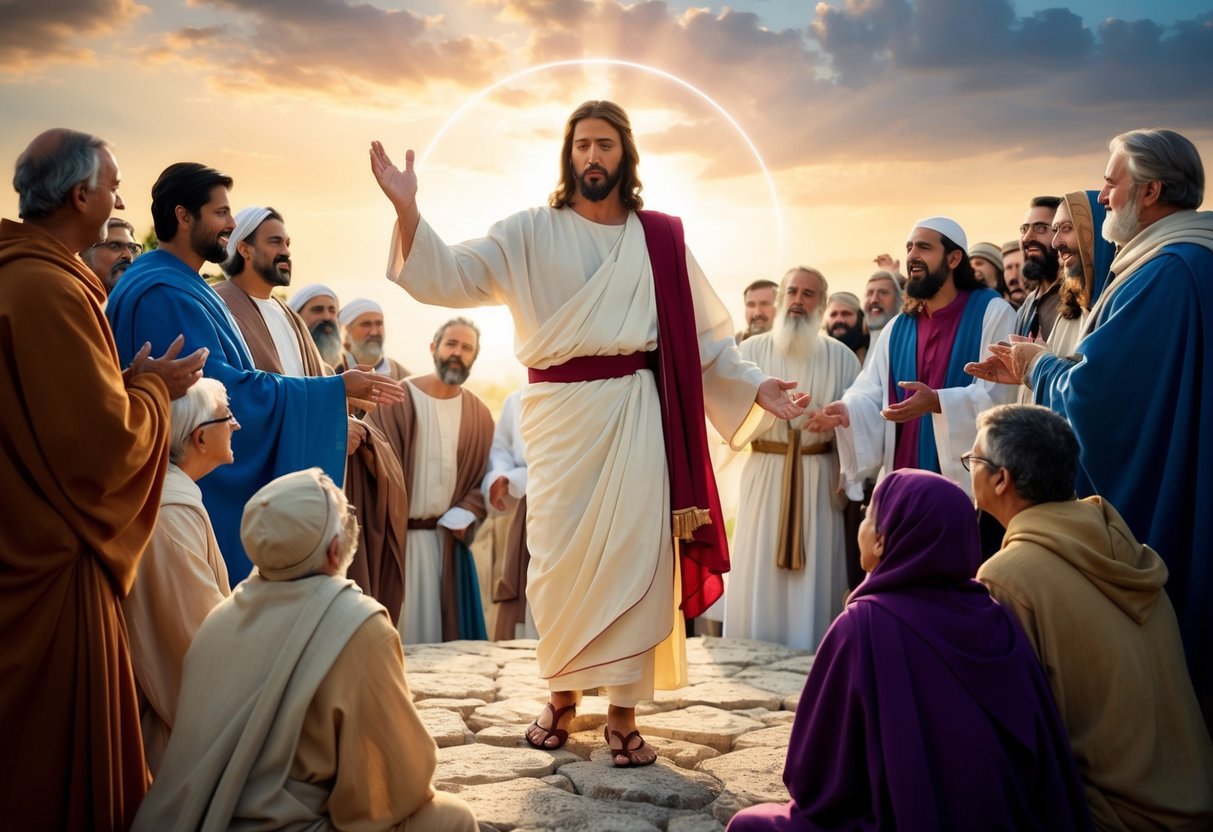
The creators of Supernatural, including Eric Kripke, have expressed that their intention was not to tell the story of Jesus Christ, but to explore other themes and mythologies. This choice keeps the storyline fresh while touching upon various cultural elements, including aspects of Christianity.
Jesus is referenced in ways that reflect his influence on the characters, but his physical presence remains absent from the narrative.
This approach allows the show to engage with religious themes without directly representing them, leaving fans to ponder the implications and significance of faith within a supernatural context.
Exploring whether Jesus fits into the world of Supernatural opens up discussions about belief, mythology, and the intersections between the two.
Representation of Divinity in Supernatural
The TV show “Supernatural” explores complex religious themes and presents various representations of divinity through its characters and storylines. The series examines the nature of God, the struggle between good and evil, and the consequences of faith.
Overview of Religious Themes
“Supernatural” weaves a rich tapestry of religious themes, prominently featuring elements from Christianity. The show references both the Old and New Testaments, using familiar stories and figures.
Characters like God, angels, and demons personify the struggle between good and evil.
The series often explores the concept of faith. Characters grapple with their beliefs, influencing their choices and actions.
The show presents Heaven and Hell as physical places where souls reside, emphasizing the idea of a moral universe governed by divine rules.
Character Analysis: Chuck as God
Chuck, a recurring character, represents God in “Supernatural.” Initially introduced as a quirky writer, he later reveals himself as the Creator. His character raises questions about free will and predestination.
Chuck’s actions, at times, appear indifferent or even cruel. This portrayal challenges typical views of an all-loving deity. His story arc illustrates the complexities of divine authority and the ambiguity of faith within the series’ narrative.
Dichotomy of Good and Evil: Lucifer and Michael
Lucifer and Michael embody the classic struggle between good and evil. Lucifer, once an archangel, represents rebellion and temptation. His character explores themes of pride and the consequences of defiance against divine will.
In contrast, Michael symbolizes loyalty and righteousness. He serves as a defender of God’s plan.
Their conflict showcases the duality of divine forces and the moral choices characters must face throughout the series. Each character’s actions reflect deeper philosophical questions about faith, destiny, and redemption within a supernatural framework.
Mythology and Entities
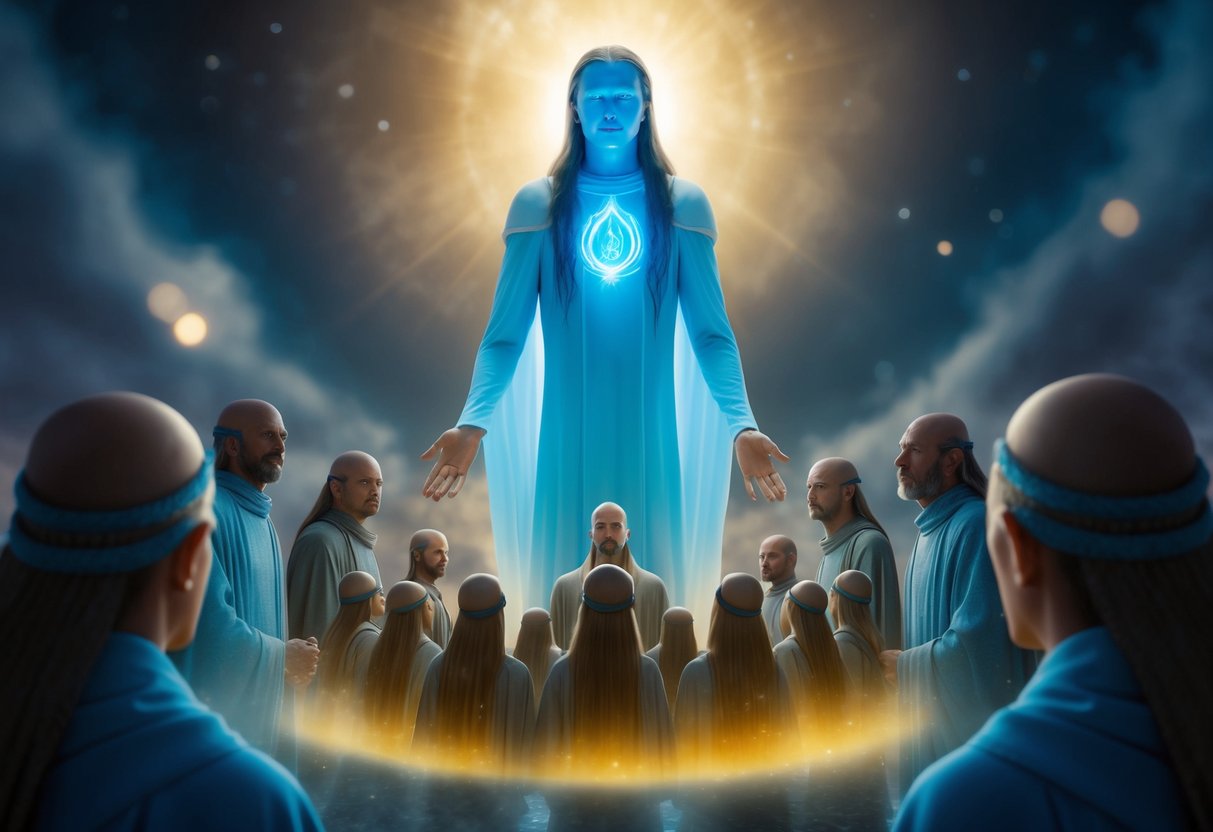
The world of “Supernatural” is rich with various mythological elements and beings. The show features a unique blend of angelic lore, demonic influences, and a variety of mythical creatures. Understanding these entities provides insight into the series’ complex narrative.
Angelic Lore and the Role of Castiel
Angels play a significant role in “Supernatural,” with Castiel being the most notable. Castiel, an archangel, is portrayed as a loyal ally to the Winchester brothers. He embodies the struggle between obedience to divine order and the moral complexities of free will.
Throughout the series, Castiel grapples with his identity and purpose, often challenging the traditional views of angels.
He demonstrates both righteous strength and empathetic vulnerability, showing that angels are not merely messengers but active participants in the human experience.
Additionally, the conflict between angels and demons adds layers to the story. The presence of other archangels highlights the struggle for power and control within the celestial hierarchy. Characters like Michael and Raphael further develop the angelic dynamics in the series.
Demonic Forces in the Show
Demons are central to the conflict in “Supernatural.” They represent chaos and temptation, often challenging the protagonists’ moral decisions. Key demon characters include Azazel and Crowley, each with distinct motivations and methods.
Azazel, known as the yellow-eyed demon, is responsible for numerous tragedies in Sam’s life, driving much of the plot in earlier seasons.
Crowley, on the other hand, is the King of Hell, bringing a mix of cunning and charm that complicates his interactions with the Winchesters.
The show also introduces various types of demons, including those who possess human hosts and others that manifest as fearsome monsters. The ongoing battle between the Winchesters and these demonic forces emphasizes themes of sacrifice and redemption.
Other Mythological Beings
In “Supernatural,” mythology extends beyond angels and demons. The series encompasses a wide range of entities, such as ghosts, leviathans, and the Antichrist.
Ghosts often serve as cautionary tales about unresolved issues and the impact of actions taken in life. Each ghost has its story, showing how personal dilemmas can influence the afterlife.
Leviathans, ancient creatures of chaos, introduce a formidable threat to the Winchesters. Their intelligence and physical prowess make them dangerous antagonists.
Lastly, Jack, the Nephilim, embodies the potential for both good and evil. His character arc raises questions about lineage, power, and morality in a world filled with conflicting forces.
Biblical Artifacts and Their Influence
Biblical artifacts hold significant historical and spiritual importance. They are often connected to key events and figures from the Bible, impacting faith and tradition.
The Spear of Destiny
The Spear of Destiny, also known as the Holy Lance, is believed to be the lance that pierced the side of Jesus during the crucifixion. According to tradition, it was used by a Roman soldier, often identified as Longinus, who later converted to Christianity.
This spear has been shrouded in legend, suggesting that it confers immense power to its possessor.
Various claims exist about the spear’s whereabouts throughout history. It was said to have been housed in several European locations, with the most notable being Vienna, Austria.
Some believe that possessing the Spear of Destiny offers the right to rule, connecting it to numerous kings and emperors who sought its power. Today, it is often viewed as both a religious and a historical symbol, reflecting the intertwining of faith, power, and the supernatural.
The True Cross and Other Holy Relics
The True Cross refers to the actual cross on which Jesus was crucified. Fragments of the True Cross are venerated in various churches worldwide.
Significant relics include the pieces claimed to belong to the cross, which some traditions hold as having miraculous properties. These relics are often displayed in ornate settings to highlight their importance.
Other holy relics associated with Jesus include the Holy Grail and nails used in the crucifixion. Each artifact holds deep spiritual significance and reflects the reverence Christians have for their faith.
These relics serve as reminders of Jesus’ sacrifice and underscore the belief in divine presence within tangible objects. The fascination with these artifacts continues to inspire devotion and inquiry among believers and historians alike.
Narrative Arcs and Significant Episodes
In “Supernatural,” several narrative arcs explore deeper theological themes and character developments. Key episodes introduce viewers to pivotal elements that shape the series’ complex story.
Season 1 Introduction to the Supernatural
The first season of “Supernatural” sets the stage for the series. Episodes like “Wendigo” and “Phantom Traveler” introduce viewers to the supernatural world.
The show revolves around brothers Sam and Dean Winchester as they hunt monsters and investigate paranormal events.
The introduction of the supernatural elements creates a blend of horror and folklore. Through these early episodes, the concept of good versus evil is established.
This season not only serves to entertain but also lays the groundwork for future character arcs.
Season 5: Apocalypse and Theology
Season 5 brings significant theological themes to the forefront, focusing on the potential apocalypse. This season introduces pivotal episodes like “The End.” Here, the show dives into the battle between angels and demons, with characters grappling with their fates.
The concept of free will versus destiny plays a critical role. Sam and Dean confront not just external threats but their own beliefs about God and their purpose.
This season elevates the stakes, blending personal struggles with large-scale supernatural conflicts.
Season 11 and 12: God’s Sister Amara and the British Men of Letters
In Seasons 11 and 12, new characters and conflicts arise. Amara, known as “The Darkness,” is God’s sister, presenting a challenge to the existing order.
Her introduction forces the Winchesters to confront the nature of their world and the divine.
The British Men of Letters emerge as a new faction in Season 12. Their approach to hunting is more organized but also more morally ambiguous.
This season raises questions about the methods used in the battle against evil.
These arcs expand the show’s exploration of familial bonds, morality, and the complexities of faith. Each character’s journey reflects the ongoing struggle between light and darkness, enriching the narrative.
Cultural Impact and Audience Interaction
The show “Supernatural” has sparked significant conversation among fans and scholars alike. Through its blend of fantasy and theology, it invites viewers to examine their beliefs and engage in deeper discussions.
Fandom Response and Theological Discussions
Fans of “Supernatural” often express varied responses to its portrayal of religious themes. Online platforms like Reddit host discussions where fans dissect episodes, share their favorite quotes, and analyze character arcs.
Many fans appreciate how the show tackles issues of faith and morality, prompting conversations around Christianity and personal belief systems.
Some fans feel the series presents a unique perspective by incorporating figures like God and angels while omitting direct references to Jesus, leading to debates on theological implications.
Through fan art and forums, the audience shares their interpretations, creating a community that thrives on engagement. Specific quotes from characters are often highlighted to reflect personal beliefs or struggles, reinforcing the show’s impact on viewers’ understanding of faith.
Use of Supernatural in Academic Works
Scholars have also taken notice of “Supernatural” as a subject for academic study. It often serves as a lens to explore themes of faith within popular culture.
Articles published in various academic journals examine how the series challenges traditional Christian narratives. The blend of fantasy elements with theological questions allows scholars to discuss how supernatural fiction can inspire and reflect belief practices.
Thematic analyses often focus on how the show reinterprets biblical stories, creating new meanings for its audience. These academic perspectives further the dialogue surrounding religion and contemporary media.
They emphasize the importance of engaging with popular culture to understand modern interpretations of faith and the supernatural, creating a bridge between entertainment and theology.
