
The nature of the Messiah and the extent of his authority are subjects of profound wonder for believers and theologians alike. When studying the divine attributes ascribed to him in scripture, a central question regarding his capability often arises: is Jesus omnipotent in the truest sense? according to Christian doctrine, the answer is a definitive yes.
He is considered all-powerful, meaning he possesses unlimited ability to act within his creation. This power is not random but operates in perfect alignment with his divine nature and will.
From calming storms to raising the dead, his earthly ministry provided glimpses of this reality. It confirms that his strength knows no bounds.

This belief is supported by various passages in the Bible that showcase his miraculous deeds. From healing the sick to raising the dead, these acts illustrate his ability to transcend natural laws.
The understanding of Jesus as omnipotent is central to Christian faith, as it emphasizes his role as both savior and ruler.
Exploring this topic reveals not only theological insights but also what his omnipotence means for believers today.
By understanding Jesus’ power, individuals can deepen their faith and appreciate the implications of his abilities in their lives.
Defining Omnipotence
Omnipotence is a theological concept that refers to the all-powerful nature of God. This attribute signifies that there are no limits to what God can do.
Understanding this concept helps clarify the nature of divine sovereignty and power in the universe.
Omni-Potent: All-Powerful
The term “omnipotent” means having unlimited power. It suggests that God can accomplish anything that aligns with his divine will.
For example, God demonstrates his omnipotence through creation and miracles.
Believers see omnipotence as a cornerstone of faith. This belief reassures them that God can handle any situation, no matter how impossible it may seem.
The Bible supports this view, emphasizing God’s ability to operate beyond human limitations. Verses like Jeremiah 32:17 affirm that nothing is too difficult for God.
His power is not just a display; it asserts his sovereignty over all things.
Thus, his omnipotence is integral to understanding his nature as the Almighty. It shapes the way believers view challenges in their lives and trusts in divine intervention.
Jesus in Scripture
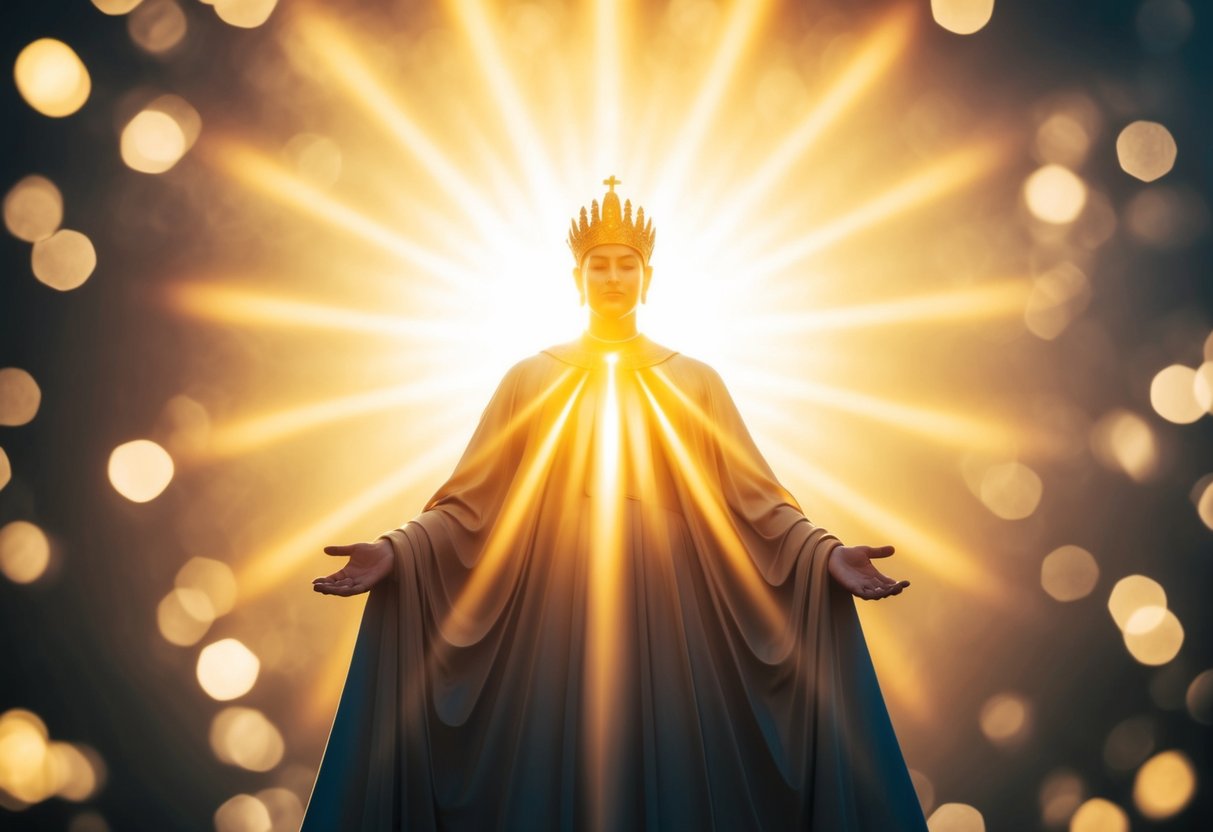
The depiction of Jesus in Scripture underscores his nature and authority, affirming his omnipotence as part of the divine Trinity. Key verses from the New Testament, particularly in the Gospels and letters of Paul, reinforce his power over creation and existence.
New Testament Foundations
In the New Testament, Jesus is often portrayed as having divine authority. This is seen in John 1:1, which states, “In the beginning was the word, and the word was with God, and the word was God.” This verse establishes his eternal nature and unity with God.
Moreover, Colossians 1 highlights that “all things were created through him and for him.” This reinforces the belief that Jesus possesses omnipotence over all creation. In Hebrews 1, it states that God speaks through his Son, establishing his superiority and authority.
Witness of the Gospels
The Gospels provide numerous accounts of Jesus performing miracles, demonstrating his power. In Matthew 28:18, he declares, “All authority in heaven and on earth has been given to me.” This claim emphasizes his sovereign power.
Additionally, John 2 recounts the miracle at the wedding in Cana, showing Jesus’ ability to control natural elements by turning water into wine. Such acts illustrate his command over both physical and spiritual realms, emphasizing the argument for his omnipotent nature.
Pauline Epistles and Omnipotence
The letters of Paul further affirm Jesus’ omnipotence. Ephesians 1:19 speaks of the “immeasurable greatness of his power toward us who believe.” This power is demonstrated through Jesus’ resurrection, as it signifies his victory over death.
Matthew 19:26 states, “With man this is impossible, but with God all things are possible.” This reinforces the view that Jesus, being God, possesses the ability to perform what humanity cannot. Furthermore, Revelation 1 presents Jesus as the Alpha and Omega, signifying his eternal presence and ultimate authority in all matters.
Theological Interpretations

The concept of Jesus’ omnipotence is viewed differently within various theological frameworks. These interpretations stem from ideas about Christ’s dual nature as both human and divine, as well as differing historical and contemporary contexts.
Christ’s Nature: Human and Divine
In Christian theology, Jesus is understood as both fully human and fully divine. This dual nature is crucial to discussions of his omnipotence.
As God incarnate, he embodies divine attributes, including unlimited power.
Jesus’ miracles, such as healing the sick and raising the dead, demonstrate his authority over creation and death. The belief is that he performed these acts not just as a human but as divine.
Christian teachings often emphasize that his divine nature does not diminish his humanity.
Instead, it highlights the unique relationship he has with God the Father. This blend of human experience and divine power is central to understanding how Jesus can be seen as omnipotent.
Historical and Contemporary Views
Historically, interpretations of Jesus’ omnipotence have evolved. Early church leaders emphasized his divine nature to counteract heresies that denied his full divinity.
Key councils, such as Nicaea, affirmed that Jesus is truly God, which solidified beliefs about his omnipotence.
In contemporary discussions, perspectives can vary widely. Some view Jesus’ power symbolically, emphasizing spiritual authority rather than literal, physical power.Others maintain a traditional view, focusing on his miracles as evidence of his omnipotence.
For many believers, the idea of Jesus as all-powerful is foundational to their faith.
It reassures them of his ability to intervene in the world and in their lives.
Manifestations of Jesus’ Power
Jesus’ power is revealed through various actions and teachings throughout the Bible. His ability to perform miracles, command nature, and bestow salvation illustrates his omnipotence and divine authority.
Miracles and Teachings
Jesus performed numerous miracles that showcased his divine strength and authority. These acts were not mere displays of power but also served to teach important lessons about faith and the nature of God. For example, he changed water into wine at a wedding (John 2:1-11), demonstrating his power over creation and the joy he brings.
Other miracles include healing the sick, such as the leper in Matthew 8:1-3, and raising the dead, like Lazarus in John 11:1-44. Each miracle revealed God’s glory and affirmed that with God, nothing is impossible, as stated in Luke 1:37.
These acts of mercy highlighted his role as the Messiah and Savior, showing his love for humanity and encouraging trust in Him.
Sovereignty Over Nature and Spirits
Jesus exhibited his power through his authority over nature and evil spirits. He calmed a storm with a mere command, saying, “Peace! Be still!” (Mark 4:39). This event illustrated his mastery over the natural world, affirming that he is the Creator.
Moreover, he cast out demons, as seen in Mark 5:1-20, proving that no spirit could oppose his will. In Daniel 4:35, it is emphasized that God’s dominion is everlasting, reflecting Jesus’ divine authority. The ability to control nature and confront evil spirits shows His strength and reinforces the idea that he is indeed the Son of God.
Power in Salvation and Forgiveness
The most profound manifestation of Jesus’ power is seen in his ability to grant salvation and forgiveness. Through his death and resurrection, he offered eternal life to all who believe. John 3:16 illustrates this gift, emphasizing that faith in Him leads to eternal life.
Additionally, Jesus spoke about forgiveness, as shown in Luke 7:47-48, where he forgives a sinful woman, demonstrating his mercy. This reflects the love and trust that people can place in him for spiritual freedom.
In Jeremiah 32:27, God states, “Is anything too hard for me?” This emphasizes that through Jesus, believers can receive both forgiveness of sins and the assurance of their salvation.
Relevance in Human Experience
Understanding Jesus’ omnipotence shapes how individuals perceive their faith and the world around them. His perceived power impacts personal beliefs and broader cultural discussions, especially in relation to love, judgment, and human history.
Personal Faith and Trust
For many, Jesus’ omnipotence fosters deep personal faith and trust. Believers often turn to Him in times of need, seeking protection from life’s challenges. This reliance promotes a sense of peace, knowing that nothing is impossible with God.
Personal experiences, such as healing or guidance during difficult times, reinforce faith. The belief in an all-powerful Jesus encourages individuals to confront their fears and enemies, emphasizing His ability to intervene.
The connections between faith and love are also evident. Trust in Jesus enables believers to embody love, as they feel secure in his omniscience and omnipresence. This interconnectedness influences how they navigate relationships and face adversity.
Cultural and Global Impact
Jesus’ omnipotence plays a significant role in shaping cultural and global perspectives.
Throughout human history, his teachings have inspired movements advocating for justice and love. Leaders often draw on his example to promote peace and holiness in societies facing evil.
The message of Jesus resonates with diverse groups.
For example, his resurrection symbolizes hope and the possibility of change, appealing to those longing for a better future.
Moreover, viewing Jesus as the God of all flesh underscores the universal relevance of His message. This perspective challenges people to reflect on their own judgments of others and themselves.
His ability to understand and engage with human experiences further solidifies his influence, showing that he is not just a distant figure but intimately aware of humanity’s struggles.
