
The mysterious identity of the King of Salem has sparked theological debate for centuries, leading many believers to ask: is Jesus Melchizedek appearing in the Old Testament?
In Genesis 14, this figure emerges suddenly as both a king and a priest without a recorded lineage.
This unique dual role is significant, setting the stage for understanding the New Testament portrayal of Christ, particularly in the book of Hebrews.
Many theologians argue that He embodies the same eternal priesthood, making Him the ultimate fulfillment of this ancient type rather than just a historical king.

In the New Testament, the Book of Hebrews highlights the connection between Jesus and Melchizedek, explaining that Jesus is a priest “in the order of Melchizedek.” This suggests that Jesus’s priesthood is unique and eternal, distinct from the Levitical priests of the Old Testament.
Through this comparison, readers gain insight into the nature of Jesus’s authority and his role in the spiritual life of believers.
Exploring this relationship allows for a deeper understanding of both Jesus and Melchizedek.
By examining their shared characteristics and roles as priest and king, one can appreciate how these biblical figures reflect God’s plan for redemption and leadership in both Testaments.
Historical Context of Melchizedek
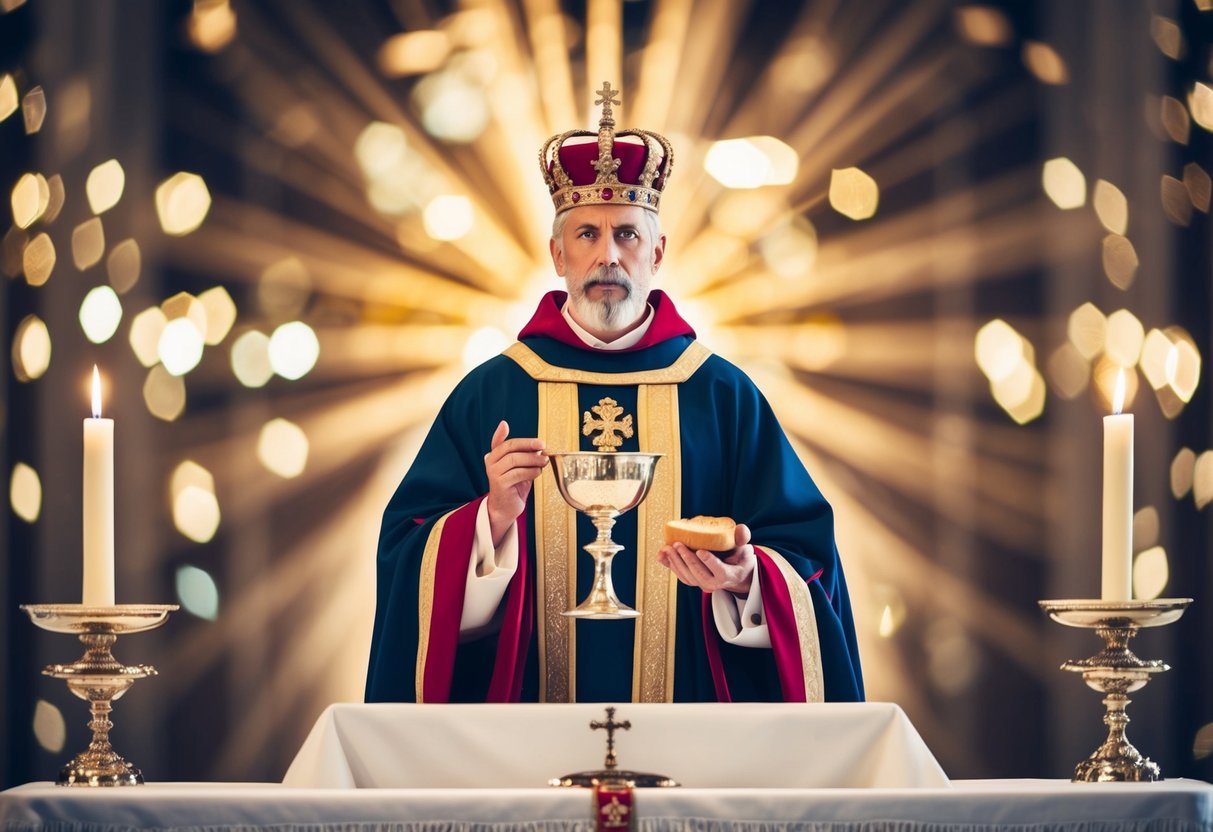
Melchizedek is a unique figure in the Bible, known for his role as both a king and a priest. He emerges during a significant time in the ancient world, particularly in relation to Abraham. His brief appearance provides deep insights into the religious and cultural context of that era.
Melchizedek in Genesis
Melchizedek appears in Genesis 14 when Abram returns after defeating a coalition of kings. He is introduced as the King of Salem, which is believed to be an early name for Jerusalem. This encounter is notable for its brevity yet profound significance.
During their meeting, Melchizedek blesses Abram and offers him bread and wine. This act symbolizes hospitality and is a precursor to future religious ceremonies. Abram, in turn, recognizes Melchizedek’s authority by giving him a tenth of everything he has—an early example of tithes.
The narrative highlights Melchizedek as a respected figure who represents righteousness in contrast to the surrounding polytheistic culture.
King of Salem and Priest of God Most High
Melchizedek is referred to as the “King of Salem” and “Priest of God Most High.” His dual role is significant in the context of ancient worship practices.
As a priest, he serves the one true God, which is rare in a world dominated by many gods. His title “King of Salem” connects to peace, reinforcing his importance in spiritual and political realms.
The ancient practice of priesthood often involved mediating between God and the people. Melchizedek fulfills this role without any recorded genealogy, emphasizing his unique position.
This absence of lineage aligns him with Jesus, who is also described as a priest but not defined by earthly ancestry.
Through his blessing and offerings, Melchizedek embodies righteousness, making a lasting impression in biblical history.
The Significance of Melchizedek’s Priesthood
Melchizedek’s priesthood holds a unique place in biblical history, serving as a precursor to the priestly role of Jesus. His role as both king and priest introduces important themes of righteousness and eternal priesthood that differ significantly from the Levitical priesthood established under Aaron.
Order of Melchizedek
The Order of Melchizedek is distinct because it emphasizes an eternal and unchanging priesthood. Melchizedek is referred to as the King of Righteousness, highlighting the central quality of his priestly role.
Unlike the Levitical priests, who were defined by their lineage, his priesthood is based on an “indestructible life” (Hebrews 7:16). This means Melchizedek’s authority as a priest is not rooted in genealogy but in spiritual significance.
Melchizedek appears briefly in the Old Testament, specifically in Genesis 14, where he blesses Abram and receives tithes from him. This encounter establishes Melchizedek as a type of Christ, suggesting continuity between his priesthood and that of Jesus.
The essence of his role foreshadows the ultimate high priesthood of Jesus, who fulfills and surpasses Melchizedek’s example.
Comparison with Levitical Priesthood
The Levitical priesthood, established by God through Aaron, was based on human lineage and was temporary. Levitical priests made sacrifices to atone for people’s sins, but they were mortal and could not provide lasting redemption.
According to Hebrews 7:23-25, these priests faced death, preventing them from maintaining their priestly roles indefinitely.
In contrast, Melchizedek’s priesthood transcends these limitations. His lack of recorded genealogy hints at an eternal role, paralleling Jesus, who functions as the eternal high priest.
Unlike the Levitical system, which required repeated sacrifices, Jesus’s sacrifice is once and for all.
This significant difference underscores the superiority of Melchizedek’s order and its crucial link to the nature of Jesus’s priesthood.
Typology of Melchizedek and Christ
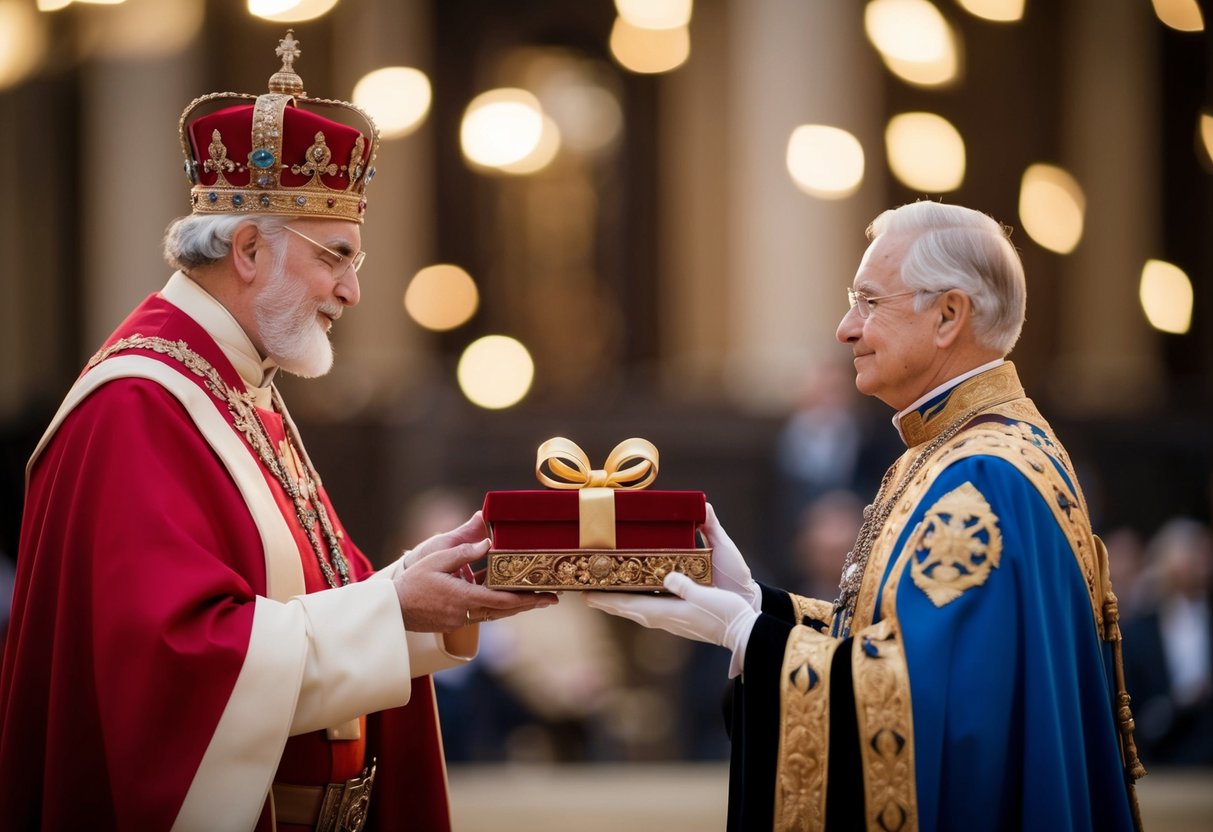
The connection between Melchizedek and Jesus highlights important themes in Christian theology. Both figures represent a unique priesthood that transcends traditional boundaries and establishes a deeper covenant relationship between God and humanity.
Jesus as the Priest Forever
Jesus is identified as the “Priest Forever,” a title that stems from Psalm 110:4. This Psalm emphasizes an eternal priesthood, paralleling Melchizedek’s unique role as both king and priest.
In the New Testament, particularly in Hebrews, the author draws clear links between Melchizedek and Jesus, emphasizing that Jesus does not belong to the Levitical priesthood, which is based on genealogy. Instead, His priesthood is eternal and greater, rooted in the order of Melchizedek.
This divine appointment reflects Jesus’ role as the ultimate mediator between God and humanity.
Fulfillment of Prophecy
The connection between Melchizedek and Jesus serves as a fulfillment of the prophecies outlined in the Old Testament. Psalm 110 is significant because it describes the coming Messiah as both a king and a priest.
Jesus embodies this prophecy, fulfilling the expectations of a better covenant. The author of Hebrews reinforces this by indicating that Jesus’ priesthood is not only legitimate but also necessary for humanity’s salvation.
Through His life, death, and resurrection, Jesus perfectly meets the prophetic promises made centuries earlier.
Covenant and Sacrifice
The covenant established through Jesus involves a transformative sacrifice. Unlike the sacrifices of the Levitical system, which were temporary, Jesus’ sacrifice is eternal.
This is crucial; it signifies the establishment of a new covenant that reins in the grace and mercy of God toward humanity. Melchizedek’s offerings of bread and wine prefigure this, indicating a deeper meaning behind Jesus’ Last Supper, where He instituted the New Covenant.
Thus, both figures highlight the theme of sacrifice that is central to redemption and restoration in the biblical narrative.
Theological Implications in the Book of Hebrews
The Book of Hebrews explores significant themes about Jesus’ identity and role in salvation history. It emphasizes his unique position as a High Priest, distinguishing him from traditional priests of the Old Covenant.
This section also highlights the establishment of a Better Covenant through Jesus, marking a pivotal shift in redemptive history.
Jesus’ High Priestly Role
In Hebrews, Jesus is portrayed as the eternal High Priest, a role that transcends the Levitical priesthood. Hebrews 7 explicitly states that Jesus is a priest “in the order of Melchizedek.” This designation signifies a priesthood that is superior and everlasting.
Jesus’ high priestly role involves intercession. He mediates between God and humanity, offering himself as the ultimate sacrifice for salvation.
Unlike the Levitical priests who offered animal sacrifices repeatedly, Jesus offers a single, perfect sacrifice that secures grace for all.
His priesthood is also characterized by its permanence. Hebrews emphasizes that Jesus holds his priesthood permanently, which ensures ongoing access to God’s grace for believers.
This eternal priesthood assures Christians that they have a High Priest who understands their struggles and is always ready to intercede.
A Better Covenant Established
The Book of Hebrews introduces the concept of a New Covenant, directly linked to Jesus’ sacrificial death. This Better Covenant fulfills and surpasses the Old Covenant established through Moses.
In Hebrews 8, the author explains that the New Covenant provides a renewed relationship with God.
Under the New Covenant, believers receive forgiveness of sins and internal transformation through the Holy Spirit. This covenant emphasizes grace instead of law, allowing a direct relationship with God without the need for continual sacrifices.
Through Jesus, the shortcomings of the Old Covenant are addressed. His sacrifice not only fulfills the law but also opens the door for a personal relationship with God. This shift represents a monumental change in the faith structure, reflecting God’s ultimate plan for salvation and redemption.
Modern Perspectives on Melchizedek and Jesus
The discussion surrounding Melchizedek’s connection to Jesus Christ continues to be significant in modern theology. This relationship informs various aspects of faith and worship, shaping how believers view their spiritual roles and practices.
Relevance to Faith and Worship
Melchizedek is recognized as the “Priest of God Most High” and the “King of Peace,” titles that resonate with many Christians. His encounter with Abraham in Genesis highlights the importance of recognizing a mediator between God and humanity.
This figure is often seen as a precursor to Jesus, emphasizing themes of holiness and righteousness. In Christian worship, elements such as Communion draw on the symbolism of Melchizedek bringing bread and wine.
This act serves to connect believers with the divine through Jesus, who is viewed as the ultimate mediator and high priest with an “indestructible life.”
Interpretations of Melchizedek’s Identity
Modern interpretations of Melchizedek vary widely. Some theologians view him strictly as a historical figure who served a specific role in ancient times.
Others propose a deeper, spiritual interpretation, likening him to Christ.
For instance, the Book of Hebrews compares Jesus to Melchizedek, suggesting that He embodies the qualities attributed to him. This analysis introduces the idea that Melchizedek can represent a type of Christ, foreshadowing the spiritual authority that Jesus holds.
Melchizedek’s identity can reflect various theological views, including those portraying him as an angelic being or an earthly king, contributing to the rich tapestry of Christian understanding.
