
The Gospels are filled with accounts of multitudes flocking to the Messiah, desperately seeking restoration for their physical ailments. While these narratives highlight his incredible compassion and power, a closer reading prompts a challenging theological question: did Jesus heal everyone who ever crossed his path?
Although he performed numerous miracles and cured many, the record shows that he did not heal every single person in Israel, sometimes due to unbelief or specific divine purpose.
For instance, at the Pool of Bethesda, he singled out one man among a great multitude of invalids. This selective nature of his miracles often points to a deeper spiritual lesson rather than just physical relief.
Understanding this nuance is crucial for grasping the true mission of his ministry. It reveals that his primary goal was not merely to eradicate sickness, but to signal the arrival of the Kingdom of God.
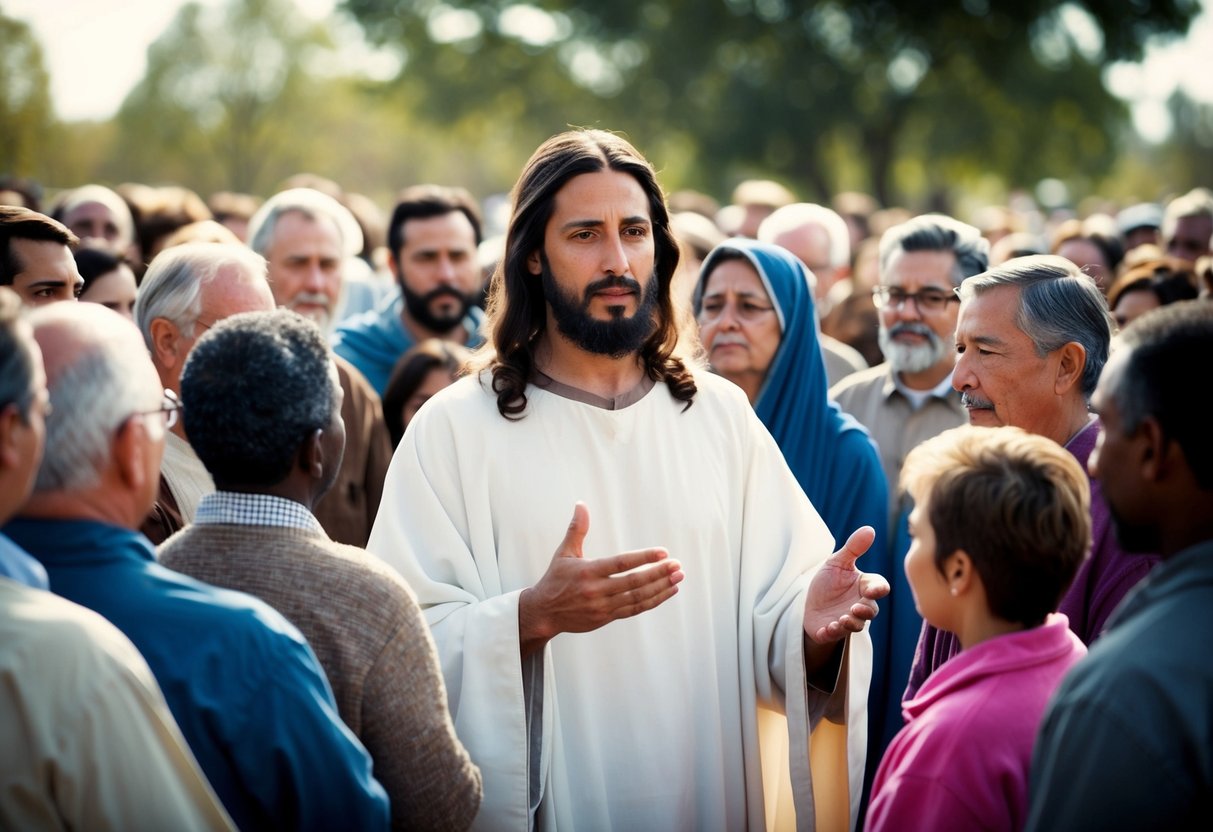
Jesus’ healing was not solely about physical restoration; it served a greater purpose in his mission. His miracles often pointed to spiritual truths and the kingdom of God.
The stories in the Bible illustrate that some were healed based on their faith, while others were not healed for reasons that aligned with God’s plan.
Understanding why Jesus healed some people and not others can provide insight into his ministry and the nature of faith. This inquiry encourages readers to consider the role of healing in their own lives and how it relates to their faith journey.
Theological Context of Healing in the Gospels
The healings performed by Jesus in the Gospels reveal deep theological meanings. They show his identity as the Son of God and highlight the purposes behind these miracles, linking them to broader spiritual truths.
The Nature of Jesus’ Healings
Jesus’ healings went beyond physical restoration. They often served as a demonstration of his divine authority. He healed the sick, restored sight to the blind, and even raised the dead.
Each act represented the power of Christ to overcome not just illness but also sin and death.
The stories indicate that Jesus prioritized individuals over the masses. For instance, in the healing of the paralytic (Mark 2:1-12), he forgave the man’s sins before restoring his health.
This shows the significance of faith and the relationship between personal belief and divine intervention. The healings exemplified the works of God, revealing God’s compassion and intent to restore creation.
The Purpose of Miracles in Jesus’ Ministry
Miracles in Jesus’ ministry served clear purposes. Mainly, they confirmed his identity as the Messiah. Through these acts, he demonstrated the Kingdom of God and its implications for humanity.
Additionally, his miracles affirmed the message of the gospel and encouraged faith among those who witnessed them.
Not all who encountered Jesus were healed, indicating that not every miracle was motivated by need alone. Instead, Jesus focused on teaching and revealing God’s nature through his actions. The miracles illustrated the compassion of God and invited people to believe in his power to transform lives.
Accounts of Healing in the New Testament

The New Testament contains numerous accounts of Jesus healing the sick. These stories highlight his ability to cure diseases, perform miraculous healing, and respond to the needs of those who sought his help. Each account reveals different aspects of his ministry and the impact of his actions on the communities around him.
Healing of the Sick
One of the most significant themes in the New Testament is the healing of the sick. Jesus performed many healings throughout his ministry, often in response to faith.
For example, in Capernaum, he healed a paralyzed man brought to him by his friends. In Matthew 9:1-8, Jesus not only heals the man’s physical ailment but also forgives his sins, illustrating the connection between physical and spiritual healing.
In another instance, Jesus healed Peter’s mother-in-law of a fever (Mark 1:30-31). His disciples witnessed these healings, which strengthened their faith and commitment to his teachings. Each healing served to demonstrate his authority over illness and disease, attracting more followers and showing the compassion he had for those in suffering.
Jesus Healing on the Sabbath
Jesus often faced criticism for healing on the Sabbath. In Matthew 12:9-14, he healed a man with a withered hand on this day, prompting objections from the Pharisees. They believed that performing any work, including healing, violated Sabbath laws.
Jesus countered their claims by emphasizing the importance of mercy over ritual law.
His actions highlighted that compassion and healing should take precedence over strict observance of rules. This incident served to challenge existing religious norms while illustrating his mission to bring hope and healing to the afflicted.
The Healing at the Pool of Bethesda
The Pool of Bethesda is another notable location for healing. In John 5:1-9, Jesus encounters a man who had been ill for 38 years. The man believed the waters of the pool could heal him when stirred by an angel, but he had no one to help him.
Jesus, seeing his plight, commands him to rise, pick up his mat, and walk.
This miraculous healing not only restored the man’s health but also sparked controversy as it occurred on the Sabbath.
This account emphasizes Jesus’ role in performing miraculous healings and challenges the belief that one could only be healed through the pool’s waters. It shows that faith and obedience to Jesus’ command are paramount in receiving healing.
The Role of Faith and Prayer in Healing

Faith and prayer are often seen as vital components in the process of healing. They create a connection between individuals and the divine, fostering hope and a sense of support during difficult times.
This section explores how faith influences healing and provides examples of prayers that can be used for this purpose.
Interconnection between Faith and Divine Healing
Faith plays a crucial role in healing. Many believe that when individuals have faith, especially in the Lord, they open themselves to divine intervention and healing.
Scriptures often link faith directly to the healing process. For instance, in Matthew 9:22, Jesus tells a woman that her faith has made her well. This highlights how a strong belief can enable healing.
Additionally, healing is sometimes hindered by a lack of faith. In places where people doubt or lack belief, like in Matthew 13:58, Jesus could not perform many miracles. This reflects the idea that faith can pave the way for divine healing, allowing individuals to receive the blessings they seek.
Examples of Prayer for Healing
Prayer is a powerful tool in seeking healing. Believers often engage in prayer, asking the Lord for strength and recovery from illness. These prayers can be formal or personal, depending on one’s relationship with God.
A common prayer might include asking the Holy Spirit for comfort and guidance during hard times.
For those seeking healing, using specific scripture in prayer can also be impactful. Phrases like “by His wounds, we are healed” (Isaiah 53:5) remind individuals of the promise of healing.
Praying with faith and intention can create a supportive environment, enhancing the potential for physical and emotional recovery.
Jesus and the Continuation of Healing Ministry
After Jesus’ resurrection, the healing ministry continued through His followers. This ministry was empowered by the Holy Spirit and served as a proclamation of salvation and the message of Jesus.
Healing Ministry after Jesus’ Resurrection
Following the resurrection, the healing ministry took on new urgency. Jesus commissioned His disciples to continue His work. The power to heal was granted to them through the Holy Spirit, affirming their role in spreading the gospel.
Miraculous events were not mere acts of kindness; they were signs of the Kingdom of God. These healings demonstrated God’s compassion and authority. They also provided opportunities to share the message of salvation.
The early Church witnessed many healings, confirming the followers’ faith and mission. This ministry became central in establishing the Church and drew many to believe in Christ.
The Acts of the Apostles: Peter and John
In the Acts of the Apostles, Peter and John play key roles in continuing Jesus’ healing work. One notable event occurred at the Beautiful Gate, where they healed a man who could not walk.
Peter addressed the crowd after the healing, explaining that it was through faith in Jesus that the miracle happened. This incident was significant for both the man healed and the witnesses. It illustrated the ongoing power of the Holy Spirit in the Church.
Their actions not only healed physical ailments but also opened doors for spiritual conversations. The early Church thrived as healings became intertwined with preaching the gospel, furthering the mission of salvation through Christ.
Expanding Our Understanding of Healing
Healing in Christian theology goes beyond just curing physical illnesses. It involves a deeper connection with the concepts of righteousness, suffering, and hope. This understanding can provide comfort to those facing challenges in life.
Sickness and Suffering in Christian Theology
In Christian theology, sickness and suffering are often seen as a result of sin or the fallen state of the world. Illness serves as a reminder of human fragility and the need for divine intervention.
This perspective encourages believers to seek comfort and healing through faith in God.
Suffering can have benefits as it often leads to spiritual growth, deeper understanding, and reliance on God. Many scriptures highlight that trials can produce perseverance, character, and hope.
These can help individuals find meaning in their suffering, transforming wounds into sources of strength.
Healing Beyond the Physical
When discussing healing, it is crucial to recognize it encompasses more than just physical recovery.
Healing can include emotional and spiritual restoration. Many believers find that true healing brings about peace and wholeness, addressing deeper issues within the soul.
This holistic approach emphasizes that good health is not only about the absence of illness but also about living in alignment with God’s will.
By prioritizing righteousness and developing a strong faith, individuals can experience healing in ways that promote prosperity and emotional well-being.
Understanding this broader view allows for a richer spiritual experience and offers hope amid life’s difficulties.
