
When Jesus encountered a fig tree that bore no fruit despite its lush leaves, he pronounced a curse upon it.
Many readers of the Gospels ask why did Jesus curse the fig tree, and the answer reveals a powerful message about spiritual fruitfulness and divine expectations.
This act symbolizes God’s judgment against Israel for its spiritual barrenness and unfaithfulness. The outward appearance of leaves without fruit represented a faith that lacked genuine devotion and obedience.
Recorded in Mark 11 and Matthew 21, this event serves as a lasting lesson about the consequences of failing to live up to God’s expectations and the importance of bearing true spiritual fruit.
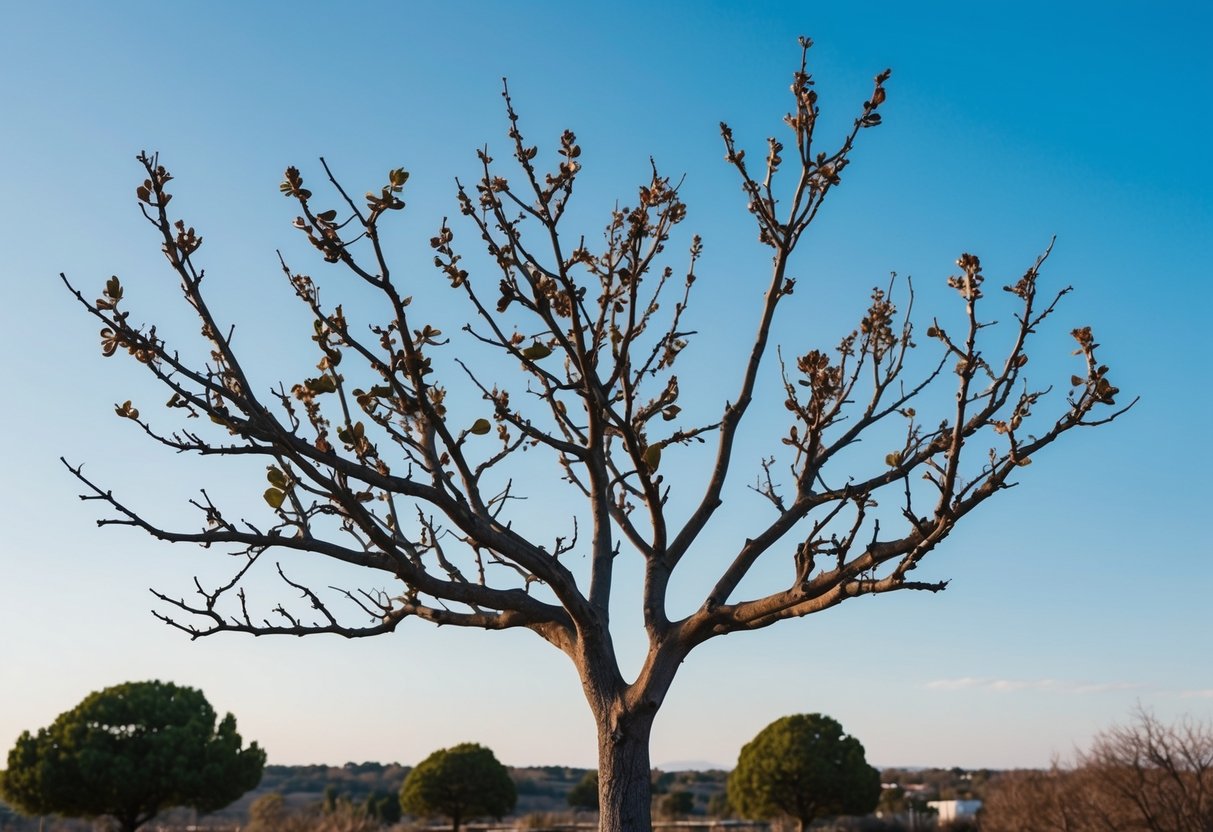
The fig tree is used as a metaphor to illustrate Israel’s spiritual state during Jesus’ time. The act of cursing the tree highlights the importance of genuine faith and the need for believers to bear spiritual fruit.
This incident is not just about a tree; it reflects deeper themes of judgment, prayer, and the expectations God has for His people as presented in the New Testament.
As readers explore this story further, they will uncover the significant lessons it holds for their own faith journeys.
Understanding why Jesus cursed the fig tree can provide valuable insights into the nature of faith and the relationship between appearance and reality in spiritual life.
Historical Context and Symbolism
The cursing of the fig tree by Jesus is rich with historical significance and symbolic meaning. It reflects themes of prophecy, judgment, and the relationship between God and Israel, particularly during important events like Passover in Jerusalem.
Passover and Jerusalem
Passover is a significant Jewish festival that commemorates the Exodus from Egypt. During the time of Jesus, many Jews traveled to Jerusalem to celebrate this event.
The city was bustling with activity, making it a critical backdrop for His ministry.
Jesus’ actions in Jerusalem during Passover highlighted His authority and the urgent call for spiritual renewal.
The fig tree incident occurred just before His crucifixion, emphasizing the need for Israel to bear fruit in faith. The tree’s lack of figs symbolized the spiritual barrenness of the people amid the religious festivities.
Symbolism of the Fig Tree in Judaism
In the Old Testament, the fig tree often symbolizes Israel and its people. Prophets like Jeremiah and Isaiah used this imagery to convey messages of judgment and hope.
For instance, Jeremiah 8:13 speaks of God’s disappointment with Israel’s failure to produce righteousness, likening them to a unfruitful fig tree.
In Jewish tradition, the fig tree is a symbol of prosperity and divine blessing. When Jesus cursed the fig tree, it represented His disapproval of Israel’s leaders and their failure to guide the people.
This act served as a warning, inviting reflection on their spiritual condition and relationship with God.
Theology of the Cursing
The theology behind Jesus cursing the fig tree focuses on judgment and the expectation of fruitfulness among His followers. The act demonstrated that outward appearances, like the tree’s leaves, do not guarantee spiritual vitality.
Jesus used this moment to highlight that faith without action is inadequate.
The fig tree’s curse linked to God’s call for His people to produce good works as a sign of genuine relationship with Him. This moment foreshadowed the impending judgment on those who rejected Him as the Messiah and failed to respond to His teachings.
Narrative Analysis
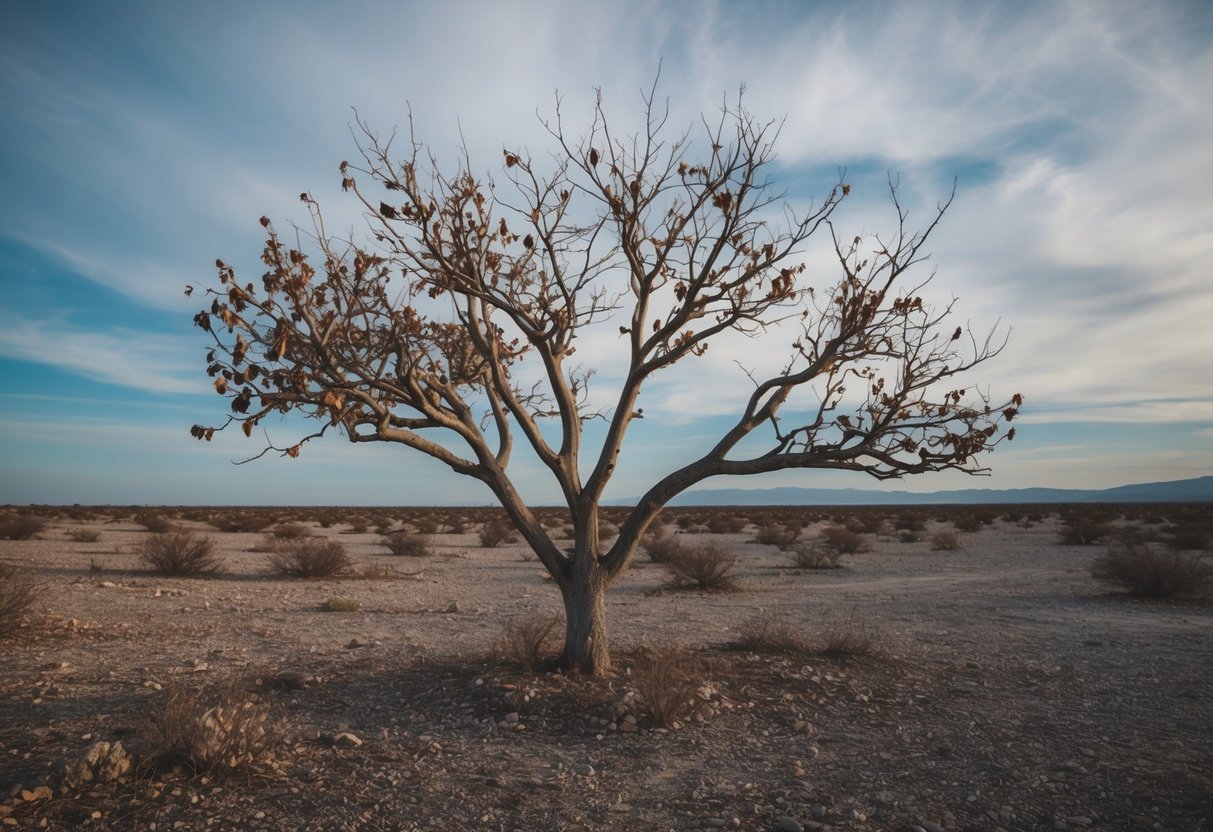
This section examines the backdrop and implications of the events surrounding Jesus cursing the fig tree as recorded in the Gospels of Mark and Matthew. Understanding the context and symbolism reveals deeper insights into Jesus’ ministry and message.
Mark 11:12-14 Context
In the Gospel of Mark, the cursing of the fig tree occurs in Mark 11:12-14. This incident takes place shortly after Jesus enters Jerusalem.
The narrative highlights the contrast between expectation and reality. In this account, Jesus decides to find figs on a tree but finds none, despite the tree being full of leaves.
This absence symbolizes Israel’s spiritual state during Jesus’ ministry. The fig tree, often associated with Israel, represents the nation’s failure to produce spiritual fruit.
The act of cursing the tree serves as a prophetic warning to the people regarding their lack of faith and genuine repentance.
Matthew’s Account of the Cursing
Matthew’s account, found in Matthew 21:18-22, parallels Mark’s description but emphasizes different aspects. In Matthew, Jesus approaches the fig tree, hungry but also focused on teaching his disciples.
This moment illustrates the urgency of Jesus’ message to the crowds in Jerusalem. The disciples witness the immediate withering of the tree and are astonished.
The lesson here is twofold: it reflects Jesus’ authority as the Messiah and calls for genuine spiritual health among his followers. The miracle emphasizes faith’s importance in realizing divine potential.
The Fig Tree and Jesus’ Ministry
The fig tree is more than a mere plant; it embodies a larger narrative within Jesus’ mission. He uses the tree to convey messages about spiritual vitality.
The fig tree’s barrenness signifies Israel’s failure to respond to God’s call.
Jesus, as the Messiah, emphasizes the need for fruitful lives. The parable of the fig tree in other teachings aligns with this theme, stressing that individuals must bear fruit in their lives. The lessons of the fig tree resonate throughout Jesus’ ministry, urging people toward sincere faith and transformation.
Theological Implications
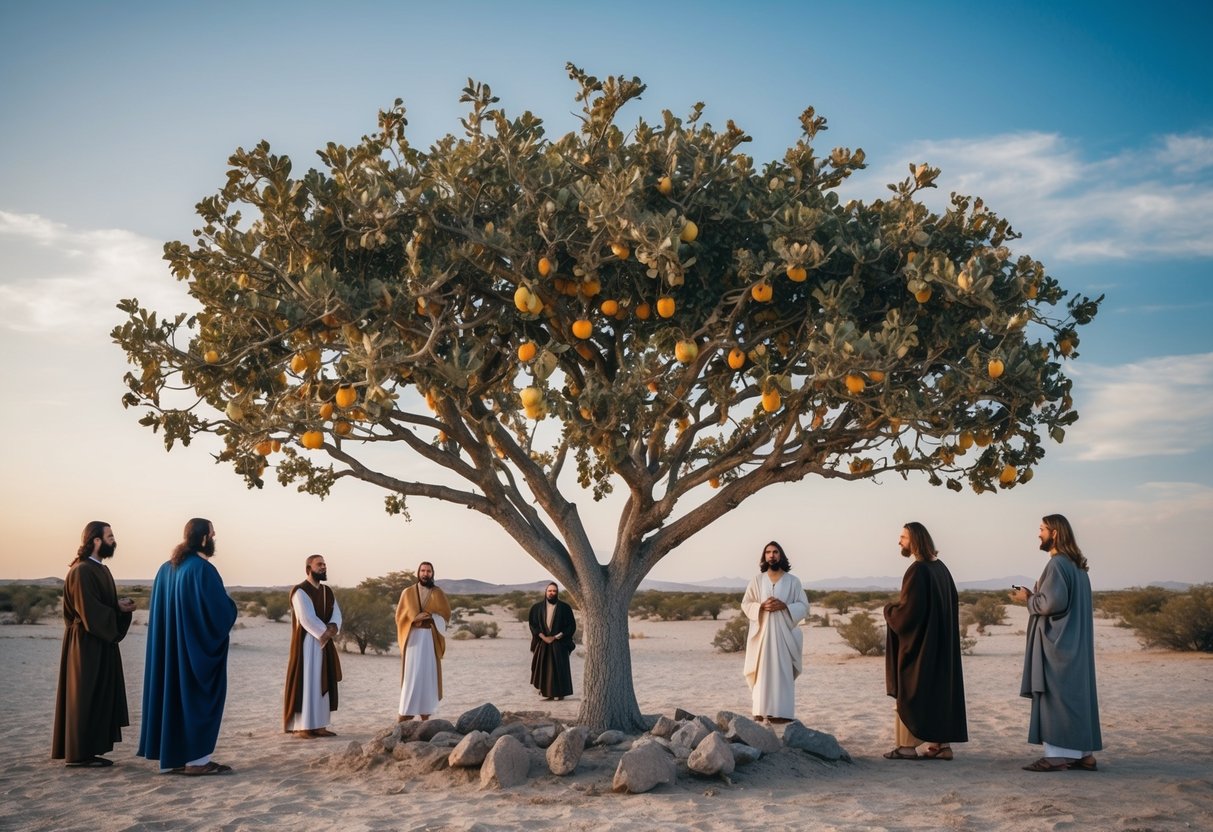
The act of Jesus cursing the fig tree holds significant theological meanings. Key areas of focus include the concepts of faith and judgment, the importance of spiritual fruitfulness, and the expression of Jesus’ messianic authority. Each of these elements reveals deeper insights into the nature of faith and God’s expectations.
Faith and Judgment
The withering of the fig tree serves as a lesson about faith and divine judgment. Jesus emphasizes that having genuine faith is not merely about outward appearances but involves a spiritual reality.
Just as the fig tree lacked fruit despite its lush leaves, individuals may appear righteous but lack true faith that produces spiritual fruit. This act indicates that judgment comes not only on actions but also on the authenticity of one’s faith.
Spiritual Fruitfulness versus Barrenness
This event highlights a stark contrast between spiritual fruitfulness and barrenness. In biblical terms, fruitfulness signifies a life aligned with God’s will, producing righteousness and good works.
Jesus’ curse reflects God’s displeasure with unfruitful lives. This parallels the need for repentance and the Kingdom of God, where true believers are called to bear spiritual fruit. Thus, spiritual barrenness can lead to divine judgment, as evidenced through this prophetic sign.
Messianic Authority of Jesus
The cursing of the fig tree also illustrates the messianic authority Jesus holds. By commanding the tree to wither, He demonstrates power over nature, symbolizing His status as the Son of God.
This act serves as a prophetic sign of God’s impending judgment on those who reject Him. Through this authority, Jesus calls for a faithful response from His followers, urging them to live in righteousness and bear fruit in their lives.
Lessons on Prayer and Faith
Understanding the relationship between prayer and faith is vital for spiritual growth. These lessons offer insights into how individuals can connect with God and seek spiritual fruitfulness. The following subsections explore how to harness prayer’s power and the importance of aligning faith with actions.
Harnessing the Power of Prayer
Prayer serves as a direct line to God, allowing individuals to express their needs and desires. It is an essential part of building a relationship with Him.
When Jesus cursed the fig tree, it highlighted the significance of faith and prayer working together.
The power of prayer can transform circumstances. For example, many believe that sincere prayers can lead to remarkable changes, reflecting one’s faith in God.
In the context of the fig tree, the immediate withering illustrates how faith-filled commands, backed by prayer, can yield visible results.
Prayers should be specific and heartfelt. When individuals approach God with sincerity, they deepen their connection and invite change.
Jesus teaches that faith-filled prayer can lead to spiritual and physical fruitfulness in one’s life.
The Intersection of Faith and Actions
Faith is not merely belief but is demonstrated through actions. Jesus’ cleansing of the temple is a critical example. His actions showed that true faith involves standing against hypocrisy and expressing genuine devotion.
This intersection emphasizes that faith must be active. It is not enough to believe; one must also act on those beliefs.
For instance, a community that prays together and supports one another embodies the power of collective faith.
Moreover, parents are encouraged to pass on faith to their children by modeling prayer and sincerity in their daily lives. This practice nurtures a deep relationship with God and fosters spiritual growth.
In essence, the lessons of prayer and faith remind individuals to actively engage with God and live out their beliefs through meaningful actions.
Cultural and Modern Interpretations
The cursing of the fig tree by Jesus has sparked various interpretations in both cultural and modern contexts. These interpretations explore its literary significance and its role within contemporary Christian beliefs.
Literary Analysis and Critiques
Literature surrounding the fig tree incident often highlights its symbolic meanings. Some scholars argue that the tree represents spiritual fruitfulness.
Bertrand Russell, a noted philosopher, suggested that this event critiques the failure of Israel to produce righteousness.
The fig tree’s barrenness aligns with Jesus’ broader message about genuine worship.
He contrasts the spiritual fruit that God desires with the empty rituals practiced in the temple, referring to it as a “den of robbers.” This critique emphasizes the importance of authentic faith over mere tradition.
Moreover, the story serves as a literary device to illustrate deeper teachings on faith and accountability. Followers are reminded of the necessity of producing spiritual fruit in their lives.
The Fig Tree in Contemporary Christianity
In modern Christianity, the fig tree serves as a powerful symbol. It reflects the expectation for believers to embody values such as love, justice, and righteousness.
Many sermons address the importance of living a life that pleases God and bears spiritual fruit.
Churches often use this narrative to encourage congregants to examine their faith actively.
Believers are called to avoid the pitfalls of becoming like the fig tree—full of leaves but lacking in fruit.
The incident also finds resonance in discussions surrounding Jesus as the Messiah, emphasizing his role in calling out spiritual barrenness.
Additionally, the cursing of the fig tree is sometimes linked to Jesus’ cleansing of the temple. Here, he sought to transform worship from a mere practice of sacrifice to genuine connection with God.
This illustrates the ongoing relevance of the fig tree in understanding Christian life today.
