
Will Jesus Be Born Again
Many people wonder about the spiritual implications of Christ’s return and specifically ask, will Jesus be born again in a literal sense? This question often arises when exploring how the prophecies of the Second Coming will manifest in our modern world.
In Christian belief, Jesus will not be born again; instead, he will return in the same glorified body after his resurrection. This underscores the idea that Jesus fulfilled his role on earth during his first coming and does not need to repeat the process of human birth.
By returning in his glorified state, he confirms the completion of his earthly mission. Rather than coming as a vulnerable infant, he will return in power and majesty to establish his eternal kingdom as foretold in the scriptures.

The concept of being “born again” holds profound meaning for many Christians, focusing on personal faith and transformation.
When individuals accept Jesus and his teachings, they begin a new spiritual life that connects them to the kingdom of God. This rebirth symbolizes a deeper relationship with faith and the truth found in his message.
The anticipation of Jesus’ second coming evokes questions of hope and renewal in the hearts of believers. Understanding these themes can inspire deeper reflection on one’s faith journey and the spiritual truths that guide individuals toward a fulfilling life in Christ.
The Concept of Being ‘Born Again’ in Christianity
Being “born again” is a core idea in Christianity that refers to a transformative spiritual rebirth. This concept is crucial for understanding what it means to enter the kingdom of God.
It contrasts sharply with physical birth, emphasizing a new life created through faith.
Nicodemus and the New Birth
Nicodemus, a Pharisee, encountered Jesus at night in John 3. He sought answers about Jesus’s teachings and was confused by the statement about being “born again.”
Jesus explained that this new birth is essential to see the kingdom of God. He indicated that being born again is about spiritual regeneration, not physical rebirth. Nicodemus struggled to grasp the concept, reflecting the challenge many face in understanding spiritual truths.
Spiritual Birth versus Physical Birth
The distinction between spiritual birth and physical birth is vital. Physical birth occurs naturally, while spiritual birth happens through faith in Jesus Christ.
Jesus emphasized that one must be spiritually reborn to enter God’s kingdom. This new life means leaving behind past ways and embracing a new identity. It involves a heart transformation, guided by the Holy Spirit. As seen in 2 Corinthians 5:17, those who are in Christ become new creations.
Born of Water and the Spirit
The phrase “born of water and the Spirit” is crucial in understanding regeneration. Water symbolizes cleansing and repentance, while the Spirit represents spiritual renewal.
This dual aspect is essential for a complete transformation. Jesus taught that true followers experience both spiritual washing and empowerment. They become part of God’s kingdom, displaying a new life characterized by faith and obedience. Understanding this process is key to grasping what it means to be a born again believer.
The Role of Faith in Regeneration

Faith plays a crucial role in the process of regeneration, as it connects individuals to the grace of God. This experience of being “born again” involves deep heart transformation and leads to genuine repentance from sin.
The Essence of Faith in Jesus Christ
Faith in Jesus Christ is foundational to regeneration. It is through faith that a person receives God’s grace, leading to salvation.
This belief is more than acknowledgment; it involves trust and reliance on Jesus for forgiveness of sins.
When an individual places faith in Christ, they accept his sacrifice and righteousness. This act is essential for the “new birth,” transforming a spiritually dead person into a being alive in Christ. This transformation is understood through scripture, such as John 3:3, emphasizing the necessity of spiritual rebirth.
Heart Transformation and Repentance
Heart transformation is a key aspect of regeneration. True faith brings about a change in desires and motivations.
As a person recognizes their sinfulness, they will feel a genuine need for forgiveness and change. This change leads to repentance, a turning away from sin and towards God.
Repentance is not merely feeling sorry; it involves a commitment to live differently. This shift is empowered by the Holy Spirit, who enables believers to overcome sinful habits and pursue a life that reflects their faith.
Through faith, they experience grace, which strengthens their resolve to follow Jesus. This ongoing process of conversion continues as they grow in understanding and relationship with Him.
Significance of Jesus Christ’s Teachings
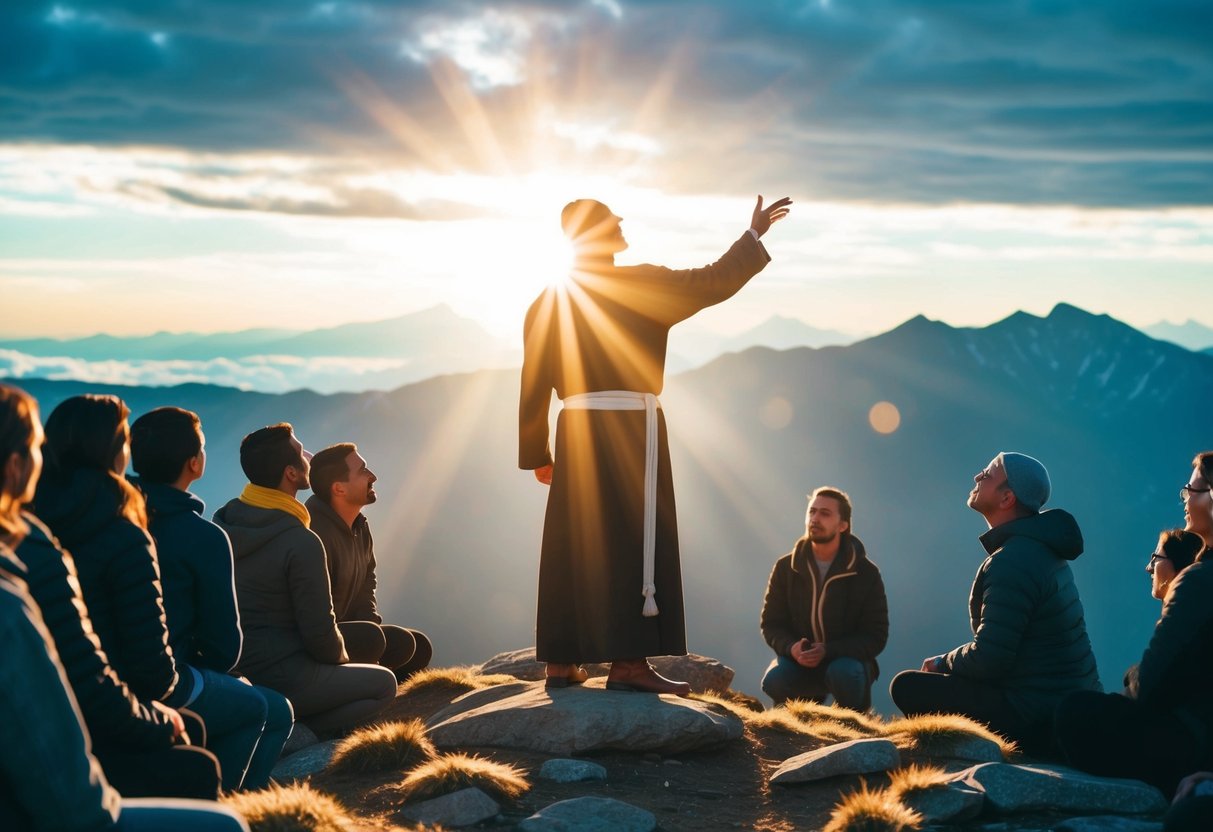
Jesus Christ’s teachings hold immense significance in understanding concepts such as the Kingdom of God, the roles of righteousness, and the nature of light and darkness. His insights offer guidance on personal conduct and the broader implications of faith in everyday life.
The Kingdom of God and Righteousness
Jesus often spoke about the Kingdom of God as a spiritual realm where God’s will is fulfilled. He emphasized that entering this Kingdom requires a commitment to righteousness.
This righteousness is not merely about following laws but involves a deep, personal relationship with God. In the Sermon on the Mount, he taught that those who are poor in spirit and seek justice are blessed.
This focus on righteousness highlights the transformative power of faith. It invites individuals to act justly and show mercy, reflecting God’s character.
The Kingdom of God represents both a present reality and a future hope for believers where justice and peace prevail.
Jesus Christ as the Son of Man
In the Gospels, Jesus frequently refers to Himself as the Son of Man. This title underscores His dual nature as both divine and human. It shows His connection to humanity and His role as a mediator between God and people.
By identifying as the Son of Man, Jesus highlighted his commitment to understanding human experiences, including suffering and joy. This connection allows believers to approach him with their struggles, knowing he empathizes with their conditions. His teachings reflect the understanding that redemption and divine love are accessible to all.
Light, Darkness, and Divine Origin
Jesus taught that He is the light of the world, contrasting light with darkness.
Light symbolizes truth, guidance, and the presence of God, while darkness represents sin, confusion, and separation from God.
In John 1:5, it is stated that the light shines in the darkness, and the darkness has not overcome it. This message reassures believers that even in difficult times, divine light is always present, offering hope and direction.
Recognizing Jesus’s divine origin strengthens faith and fosters a commitment to live in the light, embracing truth and righteousness.
The Symbolism of the Snake in the Wilderness
The story of the snake in the wilderness carries significant meaning in the context of Jewish beliefs and its connection to figures like Moses and later, Jesus. Understanding this symbolism helps reveal deeper insights into redemption and faith.
The Parallel of Jesus and Moses
Moses played a crucial role in leading the Israelites through the wilderness. During their journey, they faced hardships, including venomous snake bites.
God commanded Moses to create a bronze snake and lift it on a pole. Those who looked at it were healed.
This act symbolizes faith and obedience. Jesus later referenced this event when explaining his purpose and the necessity of spiritual rebirth.
Just as the Israelites were saved by looking at the bronze snake, so too can individuals find salvation through faith in Jesus. The connection emphasizes the importance of belief and obedience to God’s will.
Supernatural Elements and Jewish Beliefs
In Jewish tradition, the snake has dual meanings. It represents both sin and divine judgment.
The fiery serpents that plagued the Israelites symbolized their sinfulness. Yet, the bronze snake represented God’s mercy and the possibility of healing.
The Sanhedrin, the Jewish ruling council, recognized the significance of miracles performed by figures like Moses. The miracles served to reaffirm faith among the people.
Jesus’s reference to the snake ties together Jewish beliefs about healing, redemption, and the power of faith. It illustrates how miraculous symbols can offer profound insights into God’s plan for salvation.
Living as Children of God and the Promise of Eternal Life
Living as children of God signifies a new beginning and a transformation in one’s spiritual journey. The promise of eternal life is central to this new identity and is realized through resurrection and an embrace of God’s love.
Resurrection and Newness of Life
The concept of resurrection is fundamental in Christian belief. It represents the victory over death and the assurance of eternal life.
When individuals receive Jesus Christ, they experience a spiritual birth, a shift from the old self to the new self.
This newness of life is not merely a change in behavior but a complete transformation of one’s heart and mind. As stated in 2 Corinthians 5:17, “Therefore, if anyone is in Christ, he is a new creation. The old has passed away; behold, the new has come.”
This change strengthens the bond with God and fosters a life characterized by hope and purpose.
Embodying Spiritual Change and Love of God
To embody this spiritual change means to actively reflect God’s love in daily actions.
Children of God are called to live out their faith through acts of kindness, compassion, and humility.
They are encouraged to cultivate a loving relationship with God, which can be carried into their interactions with others.
Living in response to God’s love involves embracing transformative practices such as prayer, study of the Scriptures, and community fellowship.
These practices help deepen their connection to God and fortify their commitment to live out their faith.
Through this active faith, individuals not only impact their own lives but also inspire those around them, fulfilling the call to share the message of eternal life.
